Flower Painting Guide:7 Easy Ideas for Beginners and Artists
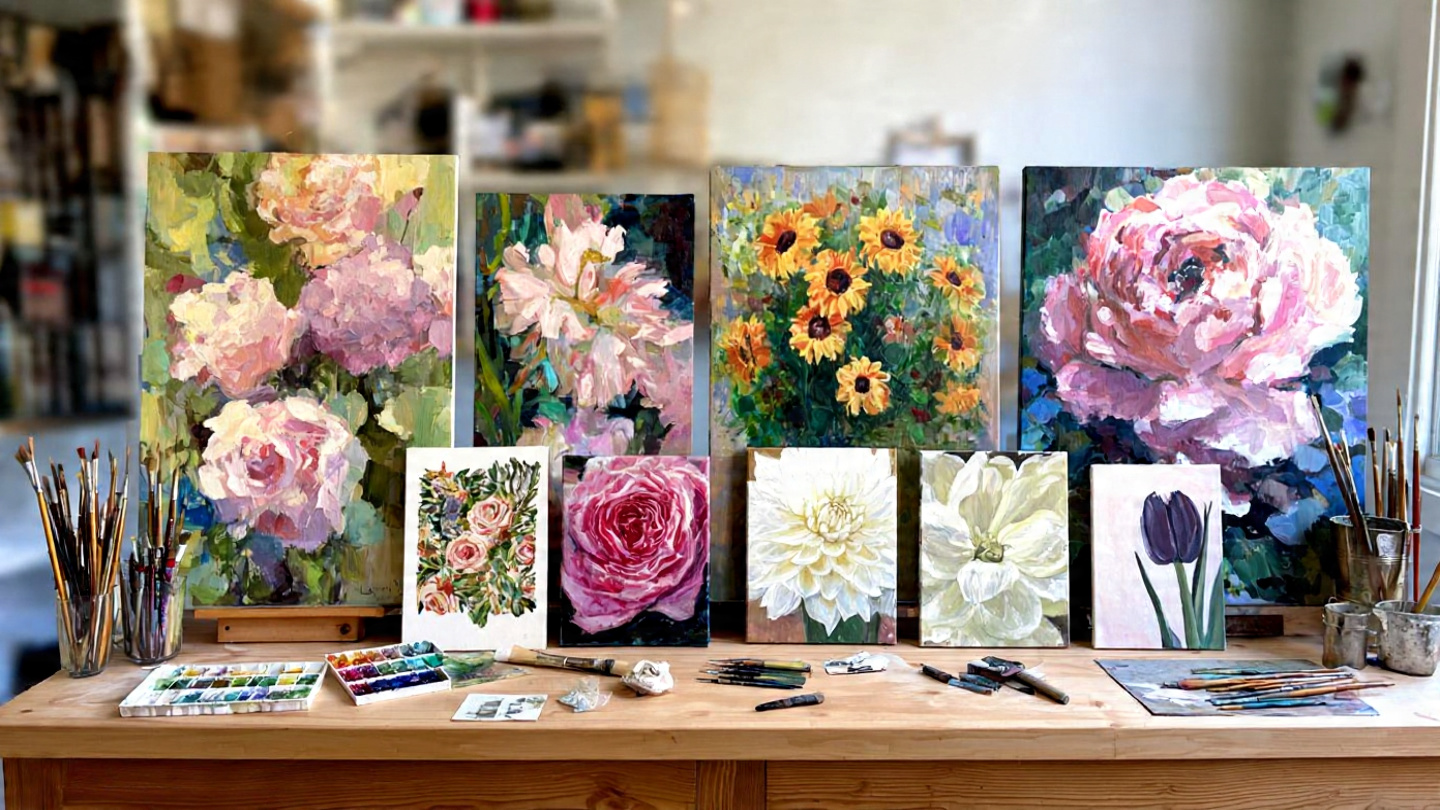
Flower painting is one of the most timeless and expressive forms of art, admired for its beauty, versatility, and emotional depth. From soft watercolor blossoms to richly textured palette knife roses, floral art allows artists to experiment with color harmony, brush control, light effects, and composition. Whether you are a beginner learning basic petal shapes or an experienced artist refining advanced techniques, flower painting offers endless inspiration. In this detailed guide, you will explore different flower painting styles, understand their techniques, learn practical tips, and discover how to develop your own creative approach to floral art.
Realistic Flower Painting
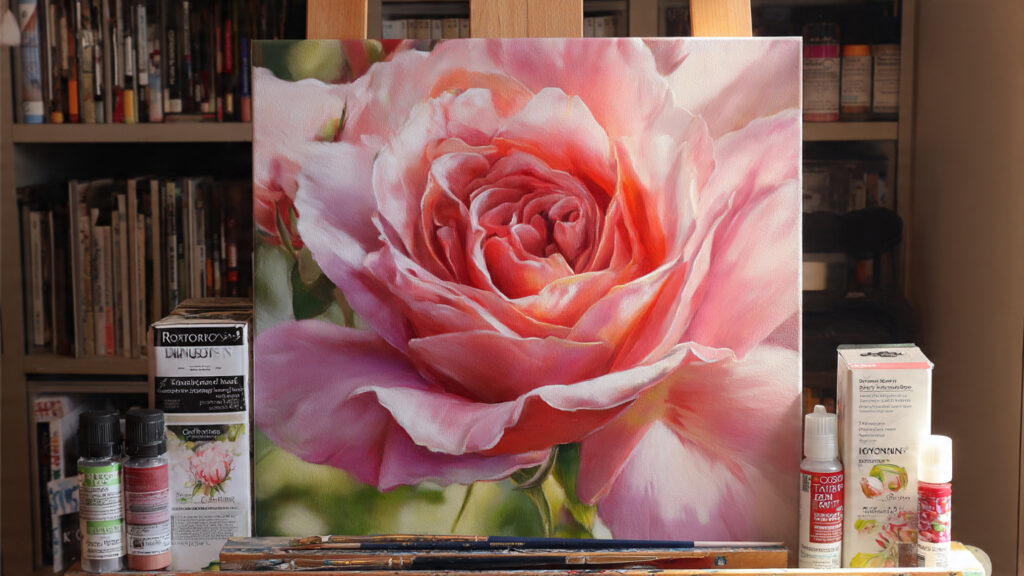
Realistic flower painting is all about precision, observation, and patience. In this style, the artist carefully studies the natural structure of a flower, including the curve of each petal, the direction of light, subtle color variations, and even the fine veins running across the petals. The goal is to create a lifelike representation that appears almost photographic. Realistic floral paintings often begin with a detailed pencil sketch to map out proportions and composition. From there, artists build layers gradually, starting with base tones and slowly adding mid-tones, shadows, and highlights to create dimension.
Blending plays a major role in achieving realism. Smooth transitions between light and dark areas make petals appear soft and natural. Artists must observe how light hits the flower and where shadows naturally fall. For example, the inner folds of a rose usually have deeper shadows compared to the outer petals. Acrylic and oil paints are commonly used for realistic florals because they allow layering and blending. Oil paints provide extended working time for smooth blending, while acrylics require quicker brushwork but can still achieve impressive results with glazing techniques. Realistic flower painting requires dedication, but the outcome is deeply satisfying and visually striking.
Watercolor Flower Painting
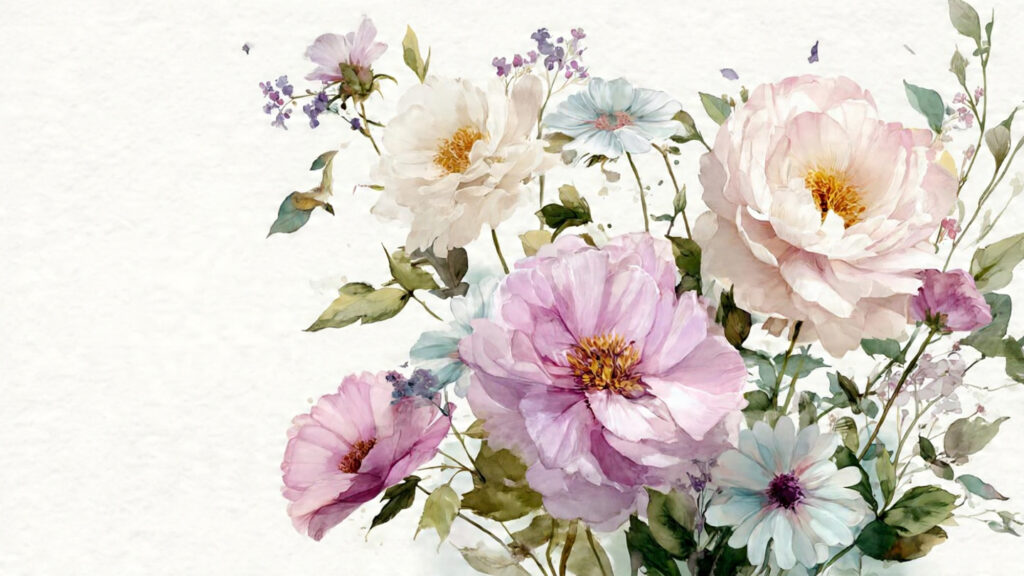
Watercolor flower painting is admired for its softness, transparency, and fluid movement. Unlike realistic acrylic or oil painting, watercolor relies heavily on water control and pigment flow. This style creates a light and airy effect that makes flowers appear delicate and elegant. Artists often begin with a loose outline or sometimes paint directly without sketching, allowing the paint to guide the form organically.
The wet-on-wet technique is commonly used to achieve smooth color transitions. By applying pigment to damp paper, colors gently blend into one another, creating soft gradients perfect for petals. Wet-on-dry techniques help define sharper edges and add details like veins or stems. Layering thin washes builds depth gradually without losing transparency. One of the challenges of watercolor is avoiding overworking the paper, as too many layers can result in dull or muddy colors. The beauty of watercolor florals lies in embracing imperfections and allowing natural textures to form. This style is especially popular for botanical prints, greeting cards, and decorative wall art.
Acrylic Flower Painting
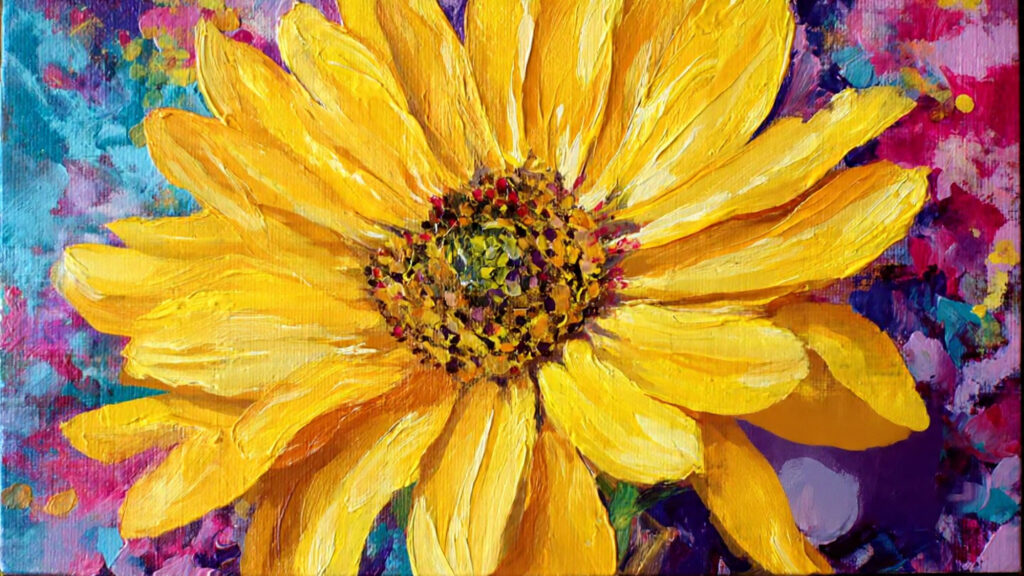
Acrylic flower painting offers flexibility, boldness, and versatility. This medium is particularly popular among beginners because it dries quickly and is easy to control. Acrylic paints can be used to create both realistic and abstract floral compositions. Their vibrant pigments make colors stand out strongly, which is ideal for modern decorative art.
In acrylic floral painting, artists often start with a solid background layer before sketching the flower shape. Because acrylic dries fast, layering can be done efficiently without long waiting times. Techniques such as dry brushing create texture on petals, while blending can be achieved quickly when the paint is still wet. Texture mediums and modeling paste can also be added to create dimension. Acrylics are ideal for canvas paintings intended for home decor, as the finished piece is durable and long-lasting. The key to mastering acrylic florals is working confidently and planning color transitions before the paint dries.
Abstract Painting
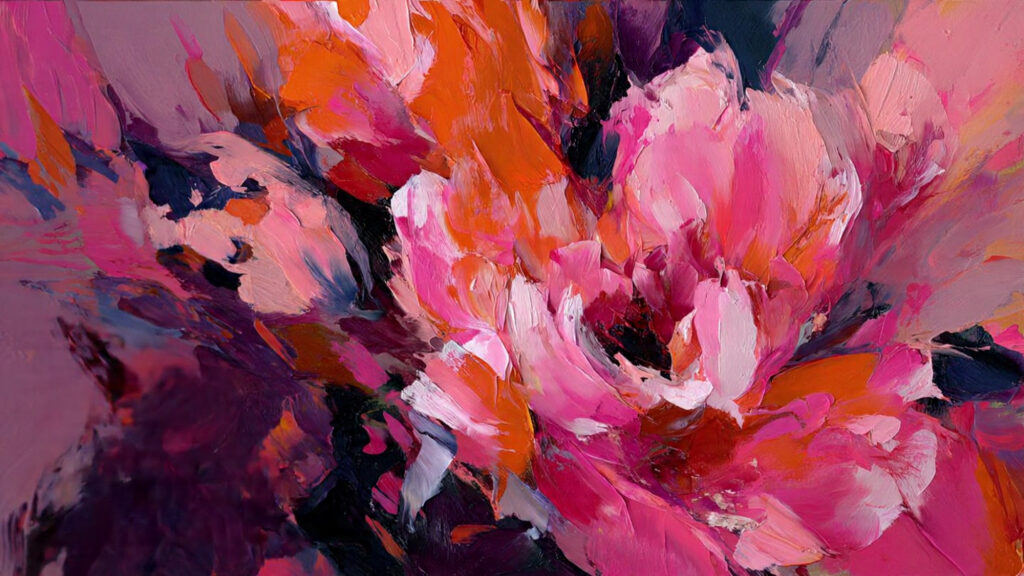
Abstract flower painting moves away from strict realism and focuses instead on emotion, color expression, and movement. In this style, flowers may not appear botanically accurate, but they are suggested through color combinations, shapes, and dynamic brushwork. Artists use bold contrasts, layered textures, and experimental compositions to create impactful pieces.
Abstract florals often begin with background textures created using palette knives, sponges, or even splattering techniques. The flower shapes are then formed using loose strokes or color blocks rather than detailed outlines. This style encourages creativity without fear of mistakes. Colors may be exaggerated or completely unconventional, such as blue roses or neon petals. Acrylic paint is commonly used for abstract floral art because it supports thick layering and mixed media experimentation. Abstract flower painting is perfect for artists who want to express mood and personality rather than botanical accuracy.
Impressionist Painting
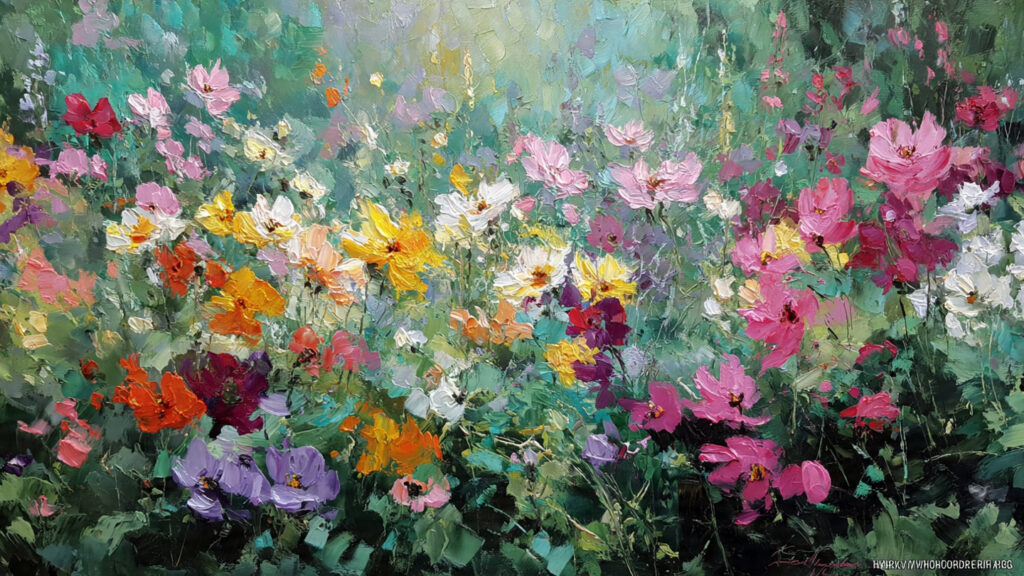
Impressionist flower painting captures the feeling of light, atmosphere, and movement rather than focusing on intricate detail. Inspired by artists like Claude Monet, this style uses visible brush strokes and vibrant colors to represent flowers in natural outdoor settings. Instead of carefully blending colors, impressionist artists apply small strokes of pure pigment side by side, allowing the viewer’s eye to blend them visually from a distance.
Garden scenes filled with blooming flowers are common subjects in impressionist floral art. Artists observe how sunlight changes colors and shadows throughout the day. Quick brushwork is essential because natural light shifts rapidly. Oil paints are often used because they allow smooth blending and extended work time, but acrylics can also be effective. Impressionist flower painting feels lively and energetic, bringing warmth and natural beauty into the artwork.
Minimalist Flower Painting
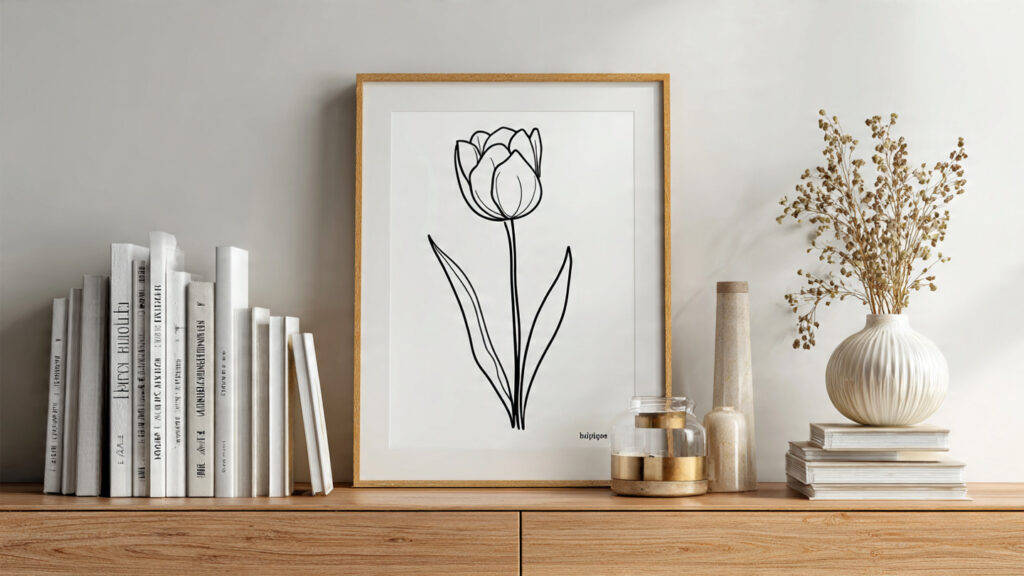
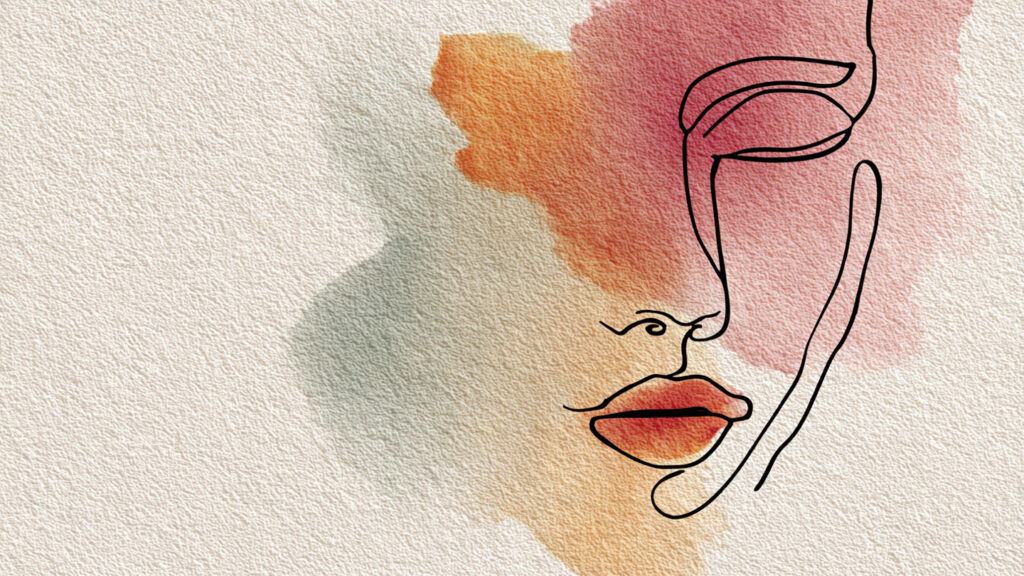
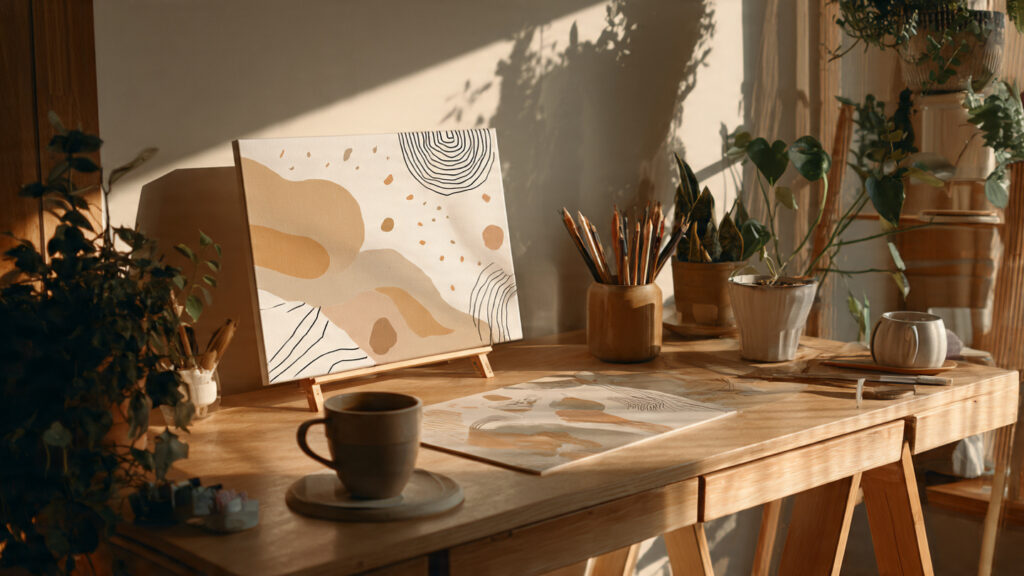
Minimalist Flower Painting Guide emphasizes simplicity, balance, and elegance. This style reduces floral forms to their essential shapes and lines. Instead of detailed shading or complex backgrounds, minimalist art uses clean compositions and negative space to create visual impact. Often, a single flower is placed centrally or slightly off-center against a plain background.
Line art is a popular technique within minimalist floral painting. A thin brush or ink pen can create simple outlines that define petals and stems. Soft neutral colors or monochromatic palettes enhance the modern aesthetic. This style is widely used in Scandinavian-inspired interior decor and printable wall art. The beauty of minimalist florals lies in restraint; every line and color choice is intentional and balanced.
Palette Knife Flower Painting
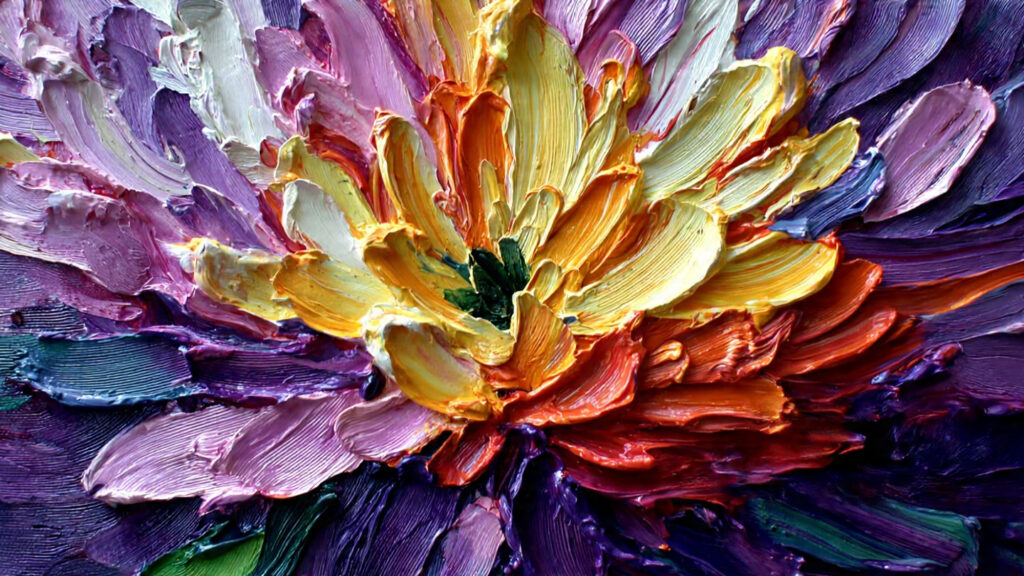
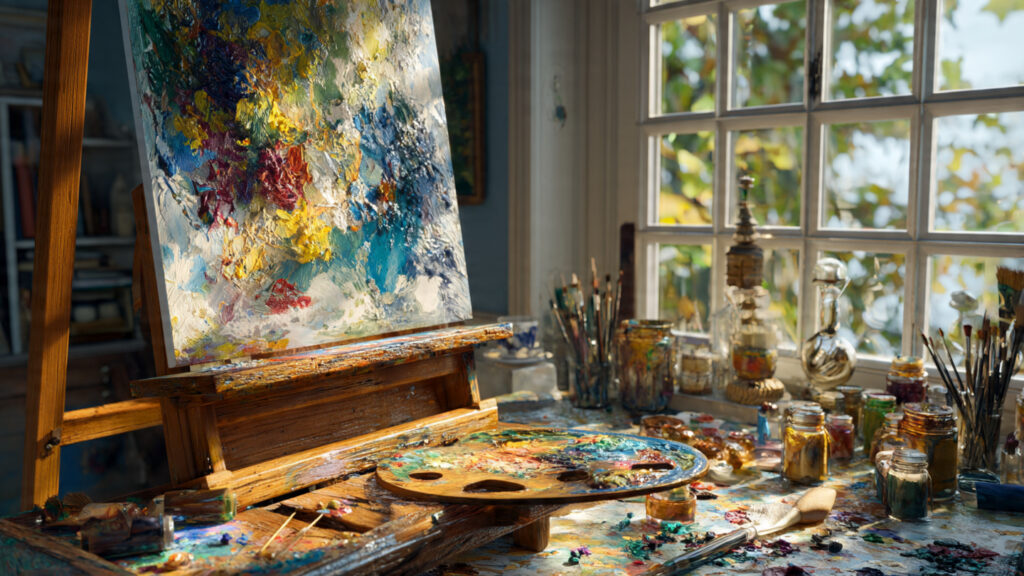
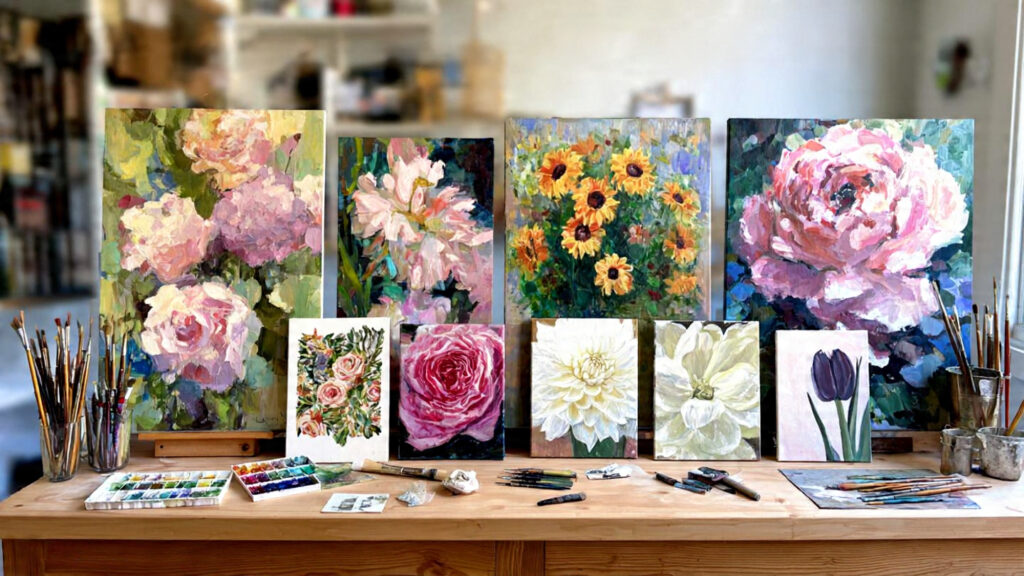
Palette knife flower painting is known for its dramatic texture and three-dimensional appearance. Instead of traditional brushes, artists use a metal palette knife to apply thick layers of paint directly onto the canvas. This impasto technique creates raised surfaces that catch light beautifully.
In this style, petals are formed by pressing and spreading thick paint in bold strokes. Colors can be layered directly on the canvas, blending naturally as they overlap. Heavy body acrylic or oil paints are ideal because they maintain their shape when applied thickly. The texture adds energy and depth, making the artwork visually dynamic. Palette knife florals are often used as statement pieces in modern home interiors because of their bold and expressive quality.
Conclusion
Each Flower Painting Guide offers a unique artistic experience, from the precise realism of detailed roses to the expressive freedom of abstract blossoms. By exploring different techniques and media, artists can discover which approach aligns with their creative vision. Whether you prefer soft watercolor washes, bold acrylic textures, impressionist light effects, or minimalist elegance, flower painting remains a timeless and fulfilling art form. With practice, patience, and experimentation, you can transform simple floral subjects into captivating works of art that reflect your personal style and creativity.