
17 Different Styles of Acrylic Painting Every Artist Should Know
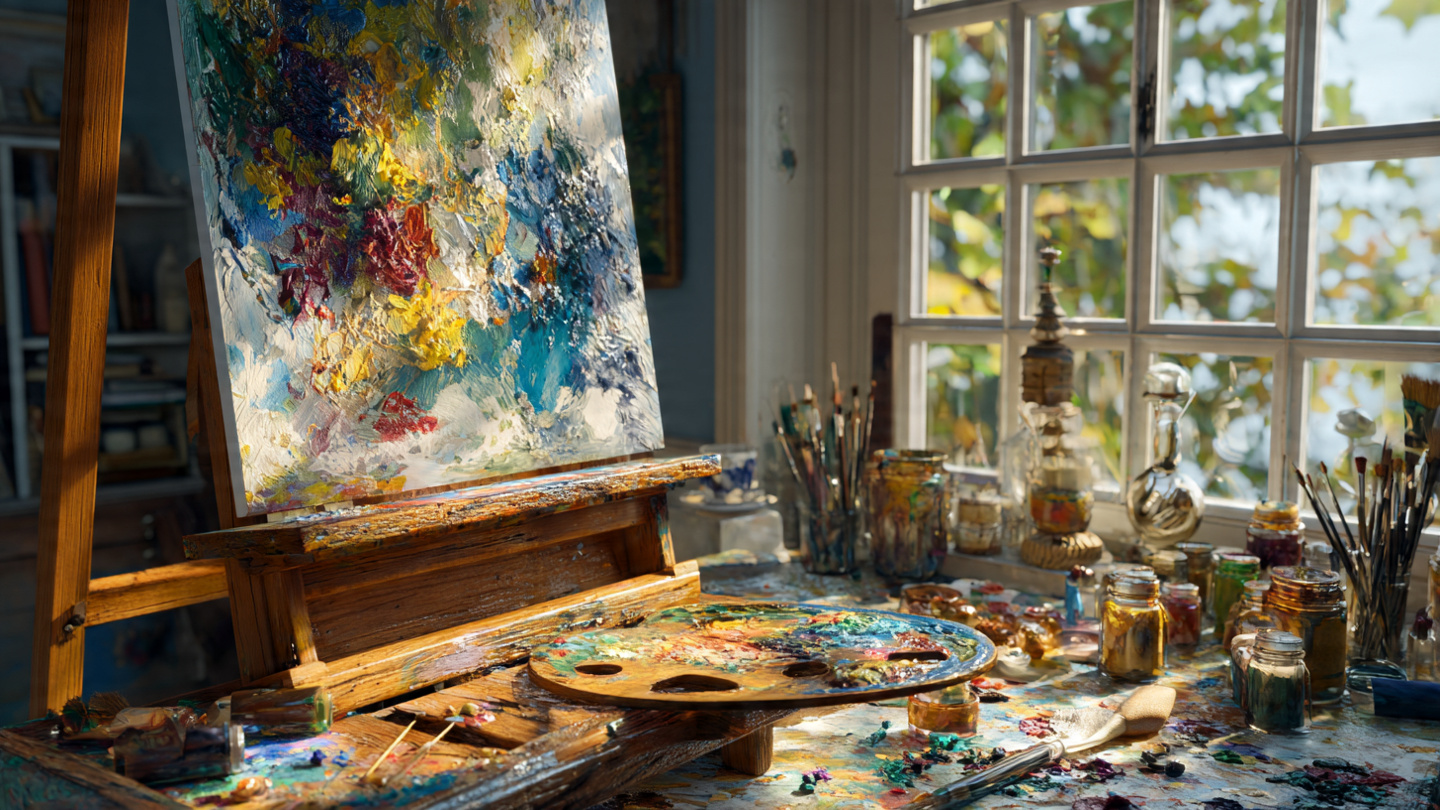
Acrylic painting is one of the most versatile and accessible art forms in the modern art world. Whether you are a beginner experimenting with colors or a professional artist refining your technique, acrylic paints offer endless creative possibilities. Their fast-drying nature, affordability, and ability to mimic both watercolor and oil effects make them a favorite among artists worldwide. In this comprehensive guide, we explore 17 different styles of acrylic painting that every artist should know. Each style opens new creative doors, helps you discover your artistic voice, and expands your skill set. From realistic techniques to abstract expressions, this article will inspire you to experiment and grow as an acrylic artist.
1. Realism Acrylic Painting
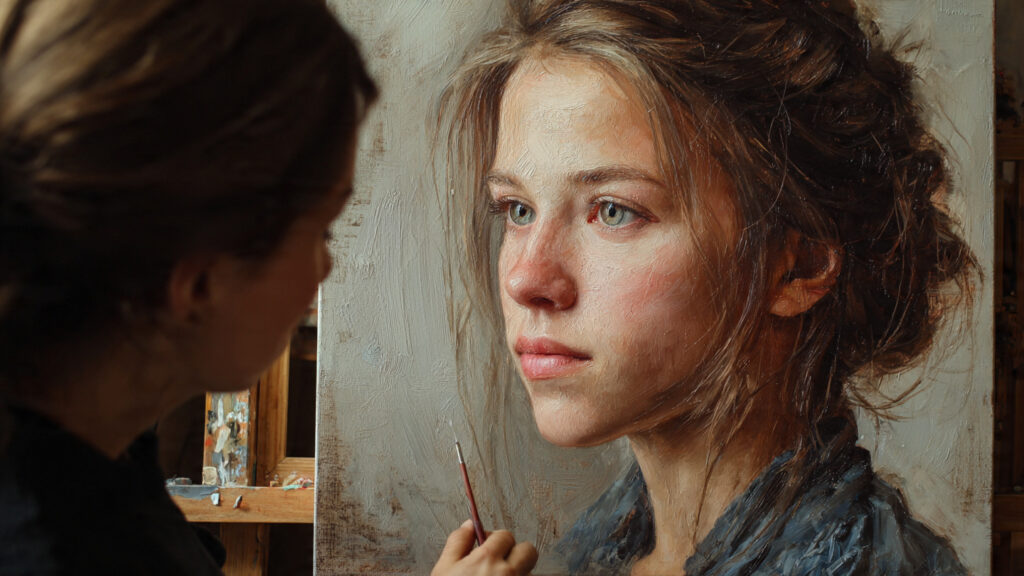
Realism focuses on creating artwork that looks as close to real life as possible. Artists pay close attention to details, lighting, shadows, textures, and proportions. Acrylic paints work well for realism because they allow layering and fine detailing once dried. Realistic acrylic painting requires patience and technical skill. Artists often begin with a detailed sketch before applying multiple thin layers of paint to build depth and achieve precise color blending. This style can be used for intricate portraits, still lifes, and scenic landscapes. The key is observing the subtle nuances of light, reflection, and texture. In realism, acrylics allow corrections and adjustments as the paint dries quickly without smudging. Artists can use glazing techniques, dry brushing, and meticulous detailing to render surfaces like skin, fabric, metal, and water accurately. The combination of color accuracy, composition, and fine detail defines the realism style.
2. Abstract Acrylic Painting
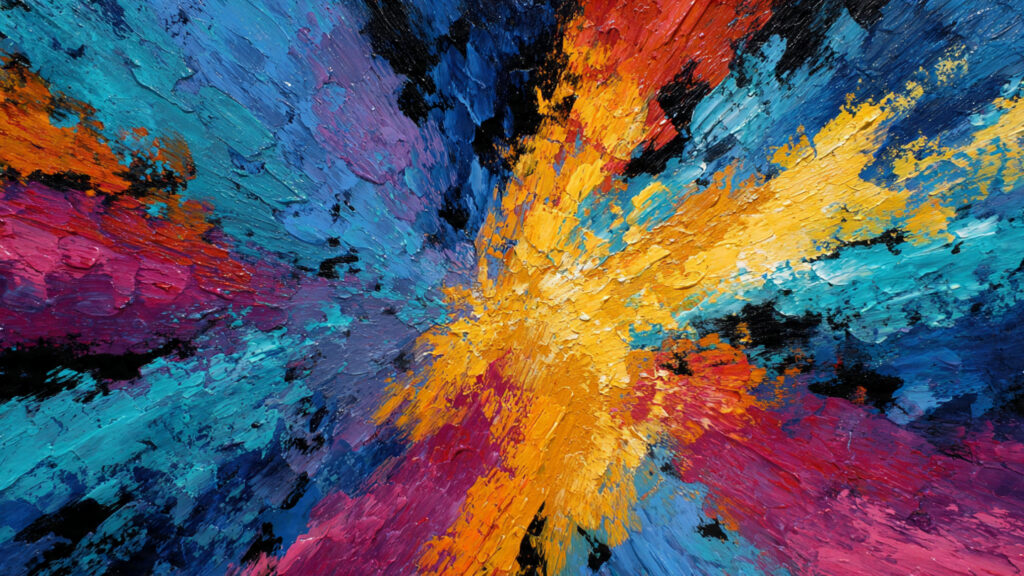
Abstract painting emphasizes emotions, colors, shapes, and textures rather than realistic representation. This style gives artists complete creative freedom and is perfect for self-expression. In abstract art, artists focus on expressing feelings through color harmonies, brush techniques, and layering. Acrylics are ideal for this style because of their fast-drying nature, which allows multiple layers, scraping, and blending without waiting too long. Abstract painting often combines bold brushstrokes, contrasting colors, and textured mediums like gels or pastes to create movement and visual interest. The unpredictability and spontaneity of abstract work make it exciting and versatile for wall art, modern home décor, and gallery pieces.
3. Impressionistic Acrylic Painting
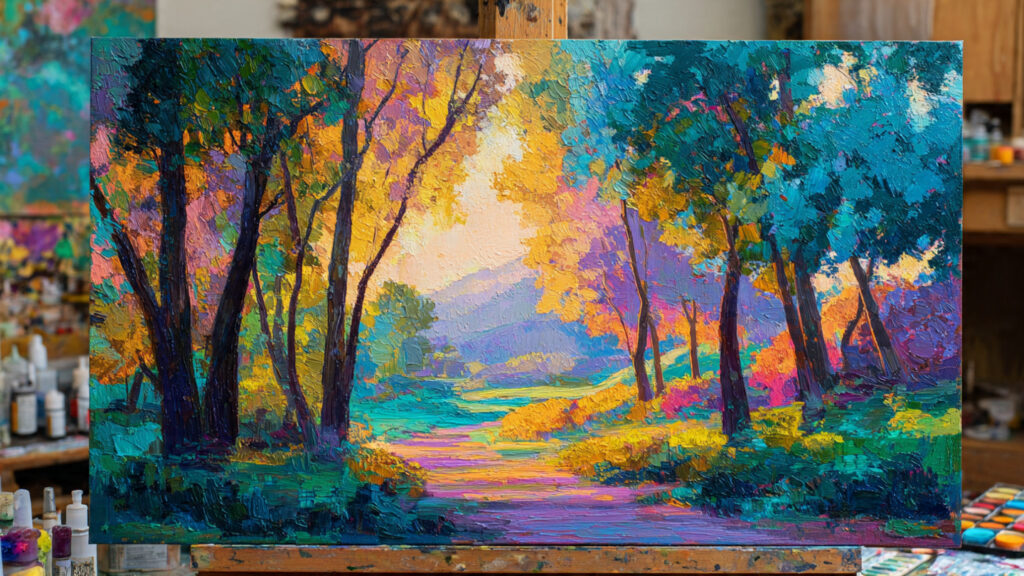
Inspired by Impressionism, this style focuses on capturing light, movement, and mood using visible brushstrokes. Acrylics dry quickly, making them ideal for spontaneous and expressive strokes. Impressionistic painting emphasizes the overall feeling rather than minute details. Artists use short, broken brushstrokes and vibrant color contrasts to capture natural light, reflections, and seasonal atmospheres. The style is often associated with landscapes, gardens, or city scenes. Acrylics allow layering of semi-transparent colors to replicate the subtle shifts in light and shadow that are key in Impressionism. Artists can combine wet-on-wet techniques with dry brushing to create dynamic textures, adding energy and life to their work.
4. Fluid Acrylic Pouring
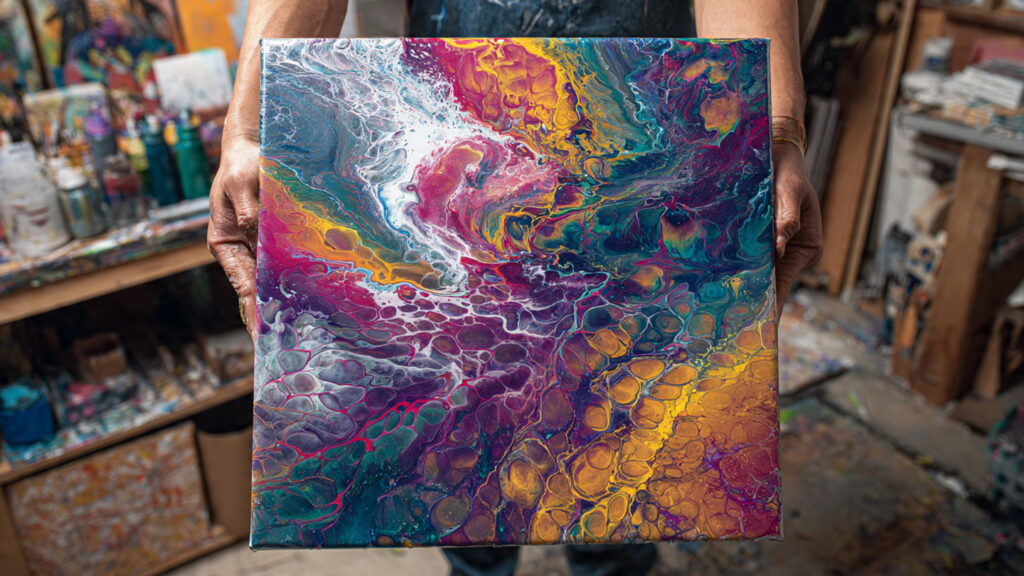
Acrylic pouring involves mixing acrylic paints with a pouring medium and allowing them to flow freely across the canvas. The results are unpredictable and visually striking. This style creates abstract, organic patterns that often resemble marble or liquid motion. Artists can experiment with different pouring techniques like dirty pour, flip cup, or puddle pour to generate unique cells and textures. Manipulation of the canvas angle or airflow can also produce stunning effects. Fluid acrylic pouring is ideal for artists who enjoy spontaneity and experimental approaches. Each painting is unique, with intricate color interactions and patterns that cannot be exactly replicated, making this style perfect for contemporary and decorative art.
5. Textured Acrylic Painting
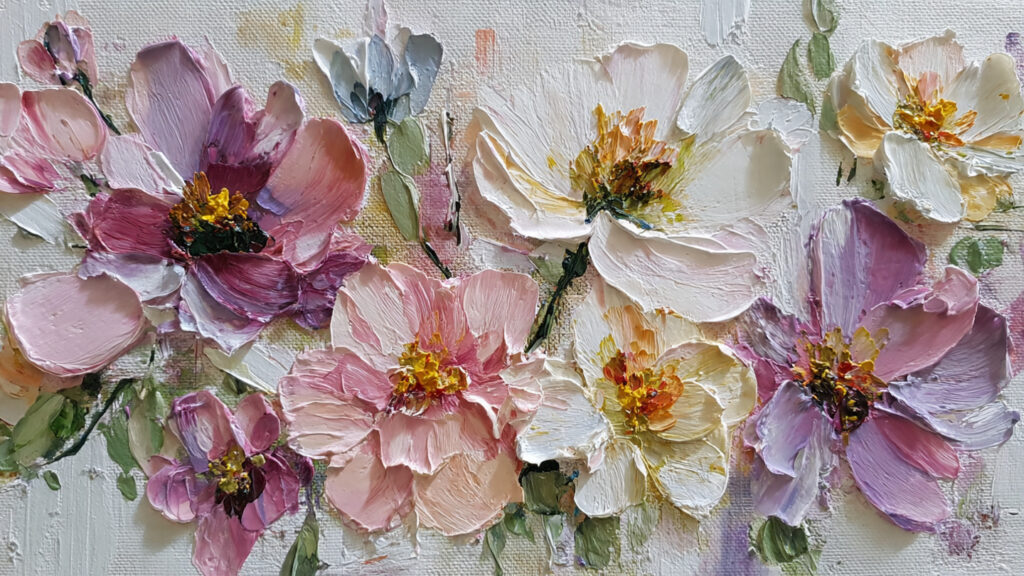
This style uses thick paint, palette knives, sponges, or modeling paste to create raised surfaces and tactile effects. Textured acrylic paintings add a three-dimensional effect, making the artwork visually and physically dynamic. Artists can create intricate designs, rugged landscapes, or abstract forms by building layers of texture. The combination of paint thickness and tools produces rich visual interest. Texture can also convey emotion and movement, with rough strokes representing energy or calm areas using smoother layers. This style allows artists to explore nontraditional techniques and engage viewers through tactile appeal and dramatic visuals.
6. Acrylic Wash Technique
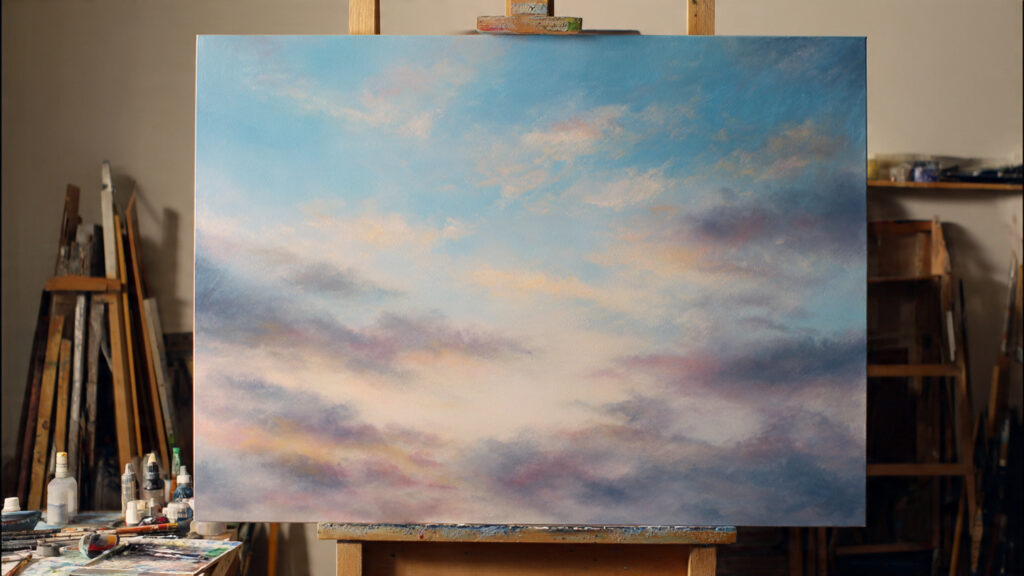
By diluting acrylic paint with water, artists create transparent layers similar to watercolor effects. This technique is excellent for soft backgrounds and subtle color transitions. Acrylic washes provide delicate tonal variations, ideal for creating atmospheric effects such as skies, mist, or water. Artists can layer multiple washes to achieve gradual depth and luminosity without overpowering the composition. This technique allows for smooth blending and seamless transitions. Artists often combine washes with other techniques like dry brushing or glazing to add highlights and soft edges, creating paintings that feel airy, light, and ethereal.
7. Acrylic Glazing
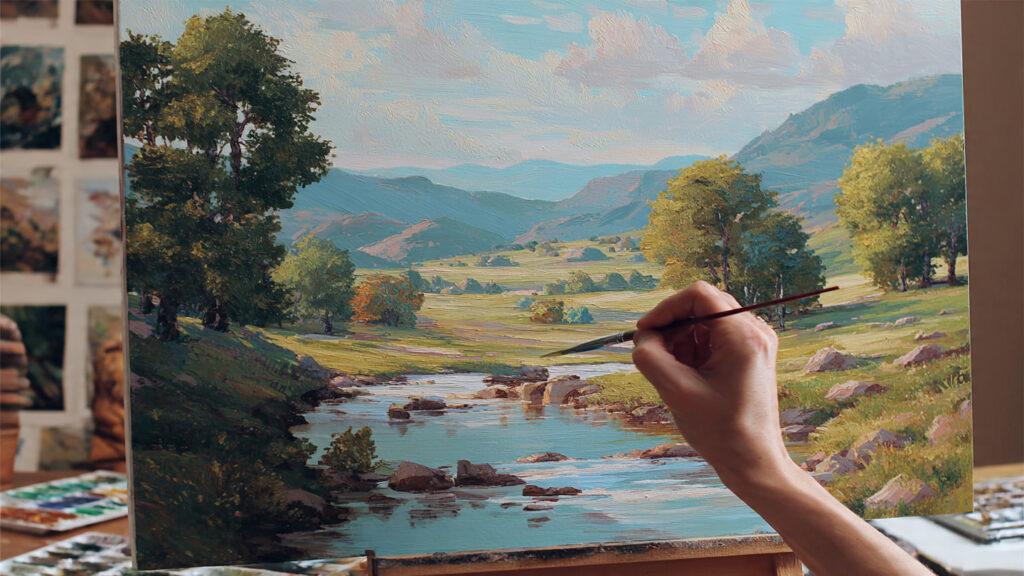
Glazing involves applying thin, transparent layers of paint over dry layers to build depth and richness of color. Artists can adjust tones, modify shadows, and enhance highlights through glazing. This method adds luminosity and subtle transitions in color, perfect for realism and semi-realistic compositions. Glazing also allows artists to create complex surfaces, like the shimmer of water, depth in foliage, or nuanced skin tones. By carefully layering glazes, painters achieve visual depth and a polished, refined finish.
8. Impasto Acrylic Painting
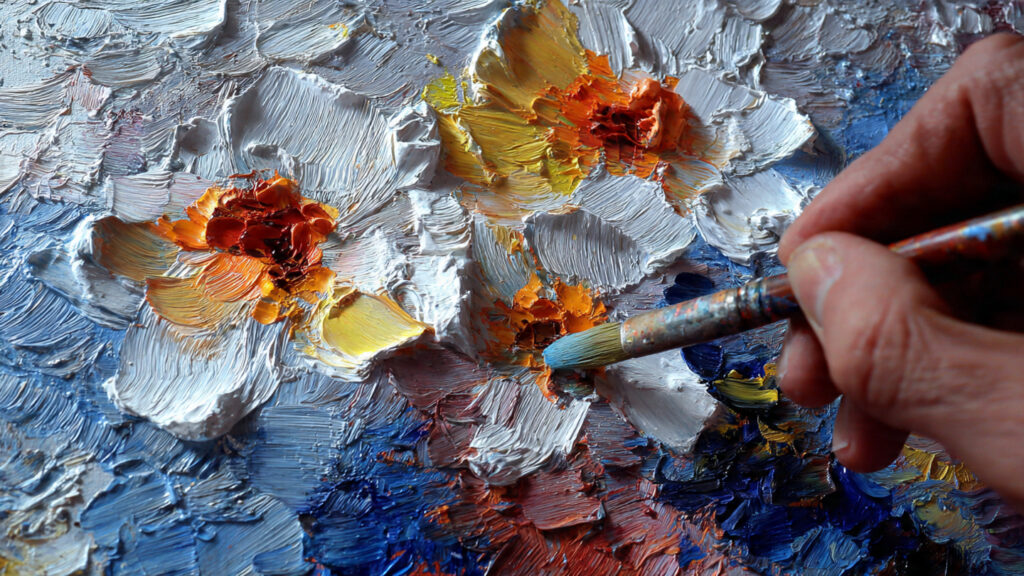
Impasto uses thick layers of paint applied with brushes or palette knives, creating bold texture and visible strokes. The impasto technique emphasizes the physical quality of the paint itself. It adds tactile appeal and gives viewers a sense of movement and dimension. Artists often use this style to make subjects more dynamic and emotionally engaging. By applying heavy paint layers, artists can create highlights and shadows directly with texture, without relying solely on color changes. Impasto works particularly well for expressive portraits, still lifes, or abstract compositions that need visual impact.
9. Pop Art Acrylic Style

Pop Art uses bold colors, sharp outlines, and inspiration from popular culture. Acrylics are perfect due to their bright pigmentation. Artists draw from advertisements, comics, and iconic cultural elements, using high contrast colors and repetitive patterns. Acrylic paint maintains vibrancy and sharpness, making pop art visually striking. The style often incorporates humor, irony, or social commentary. Its clean lines and bold compositions make it suitable for both wall art and contemporary design pieces.
10. Minimalist Acrylic Painting
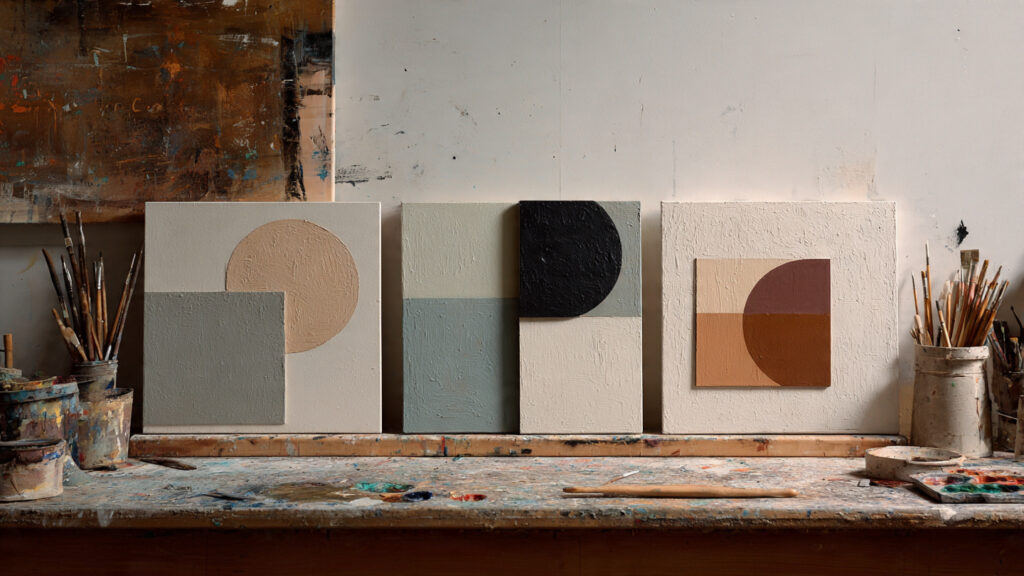
Minimalism focuses on simplicity, using limited colors and clean compositions to convey meaning. Artists often rely on negative space, monochromatic palettes, or geometric shapes to create calming, visually balanced works. Minimalist art emphasizes intention behind every line, shape, or color. This style is ideal for modern interiors and for artists who want to communicate concepts through simplicity. Acrylics are great for sharp edges, smooth finishes, and consistent color coverage.
11. Landscape Acrylic Painting
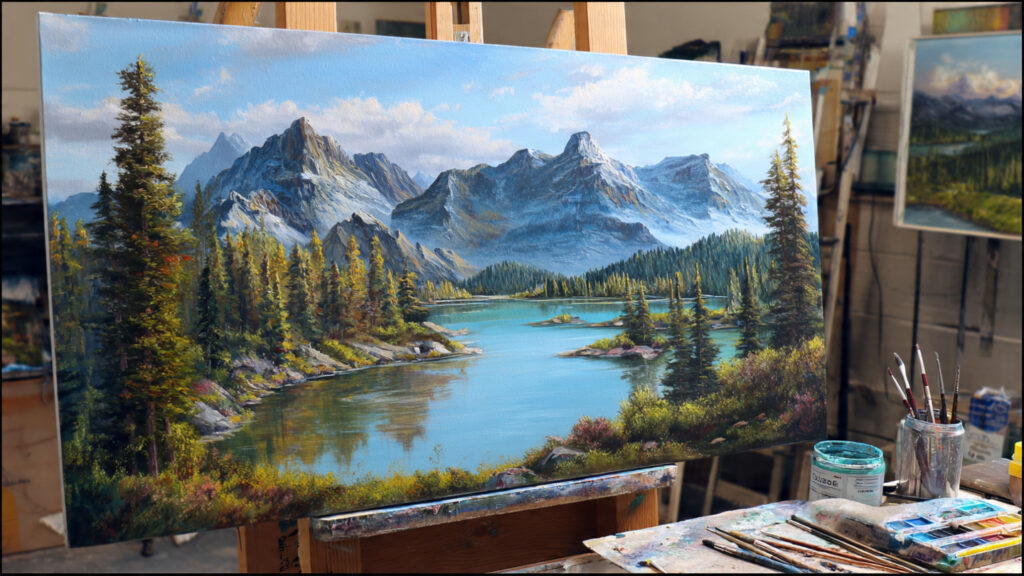
Landscape painting captures natural scenery such as mountains, forests, oceans, and skies. Artists use acrylics for layering, glazing, and blending colors to replicate realistic skies, vegetation, water, and textures. Techniques like dry brushing, palette knife, and impasto enhance natural elements and depth. From serene countryside scenes to dramatic seascapes, landscape acrylic painting allows for endless experimentation with colors, light, and perspective, helping artists capture the essence of nature.
12. Portrait Acrylic Painting
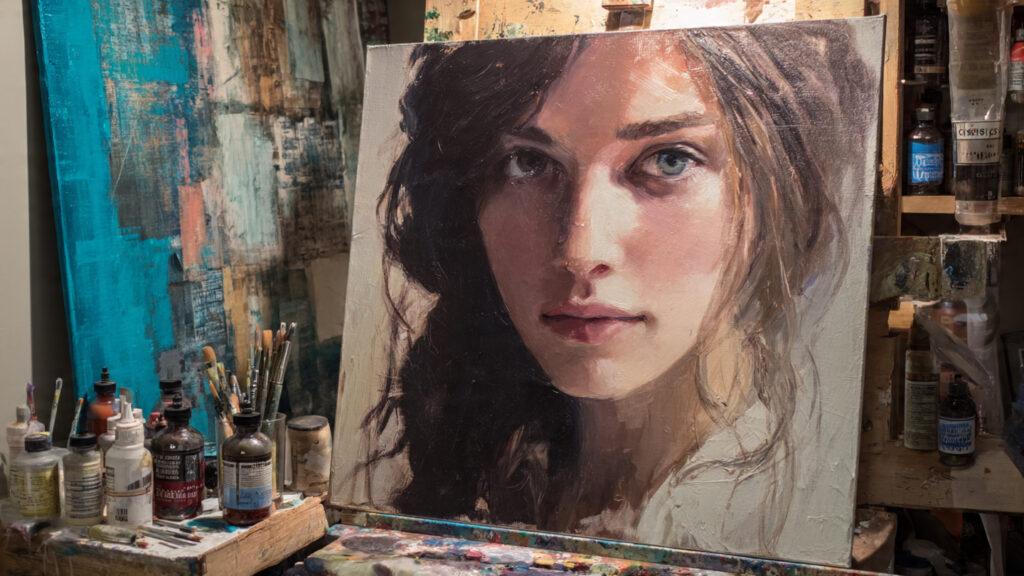
Portraits aim to capture the likeness, expression, and personality of a subject. Artists must understand anatomy, proportions, and color mixing to render realistic skin tones and expressions. Acrylics are flexible for layering and modifying features as needed. Detailed brushwork, glazing, and fine highlighting allow artists to portray depth and emotion. Portrait painting with acrylics can range from photorealistic to stylized interpretations.
13. Mixed Media Acrylic Painting
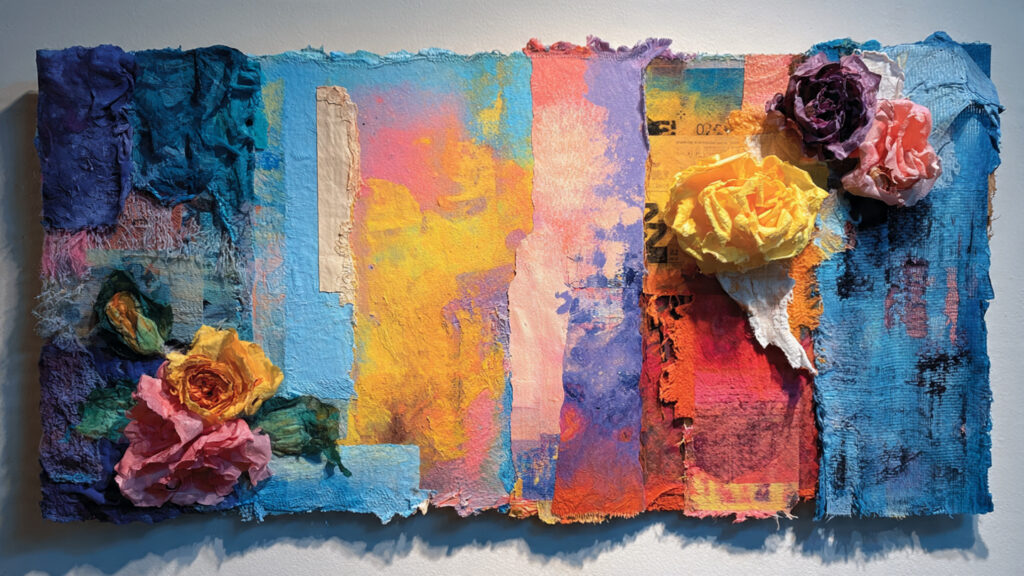
This style combines acrylic paint with other materials such as paper, fabric, ink, or charcoal. Mixed media allows for rich texture, layering, and multi-dimensional effects. Artists can combine traditional painting with collage, stencils, or natural materials. This experimental approach opens creative possibilities for abstract, narrative, or conceptual works. Mixed media acrylics invite innovation and tactile exploration.
14. Palette Knife Acrylic Painting
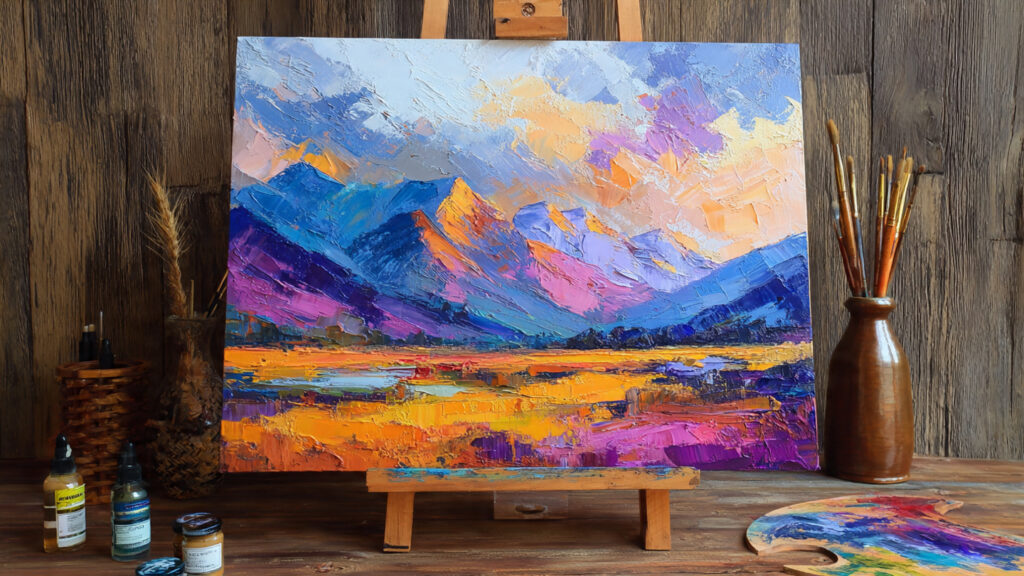
Using a palette knife instead of brushes creates bold textures and dynamic movement. The knife spreads paint across the canvas with thick strokes, creating ridges and depth. It’s ideal for impressionistic landscapes or abstract expressionism. This technique allows for spontaneous layering and striking contrasts. The texture and knife marks give each painting a unique, sculptural quality.
15. Geometric Acrylic Art
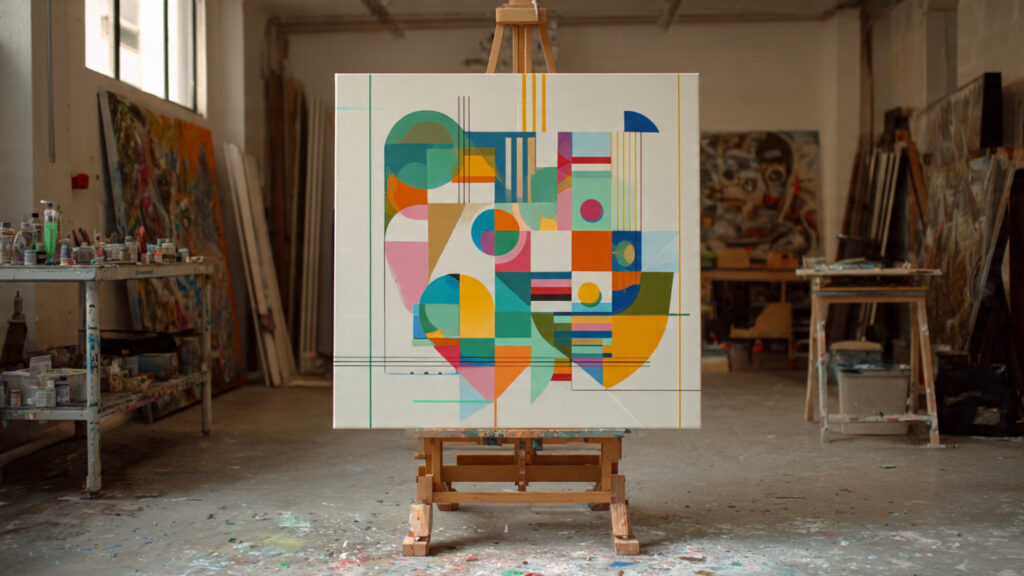
Geometric art uses shapes, lines, and patterns arranged in structured compositions. Artists rely on precision tools like masking tape, rulers, and stencils to create clean, bold forms. Colors and shapes are carefully balanced to create harmony and visual interest. This style can be minimalistic or complex, often appealing in modern home décor and contemporary galleries. Acrylics provide crisp lines and consistent color application.
16. Acrylic Ink Style Painting
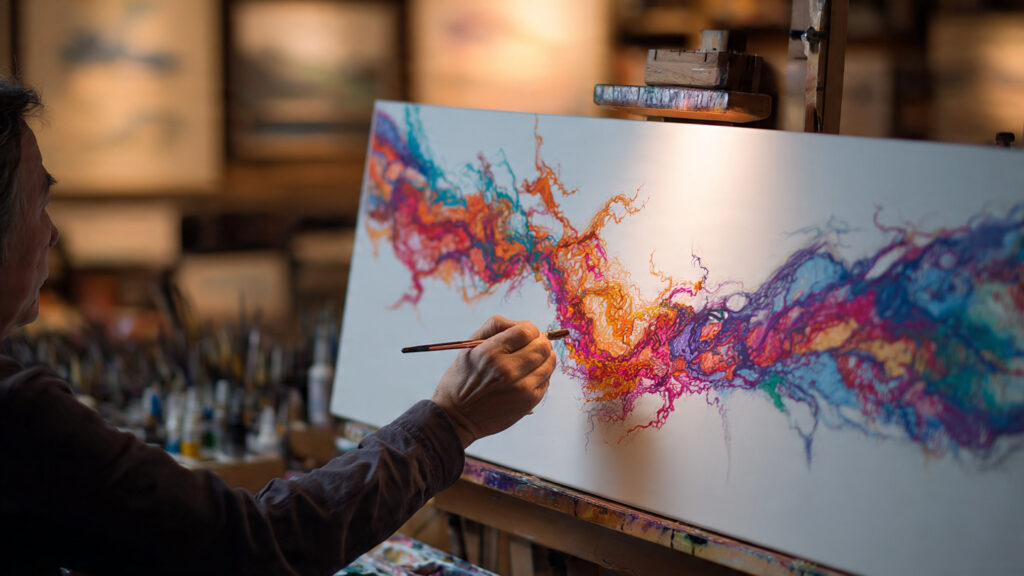
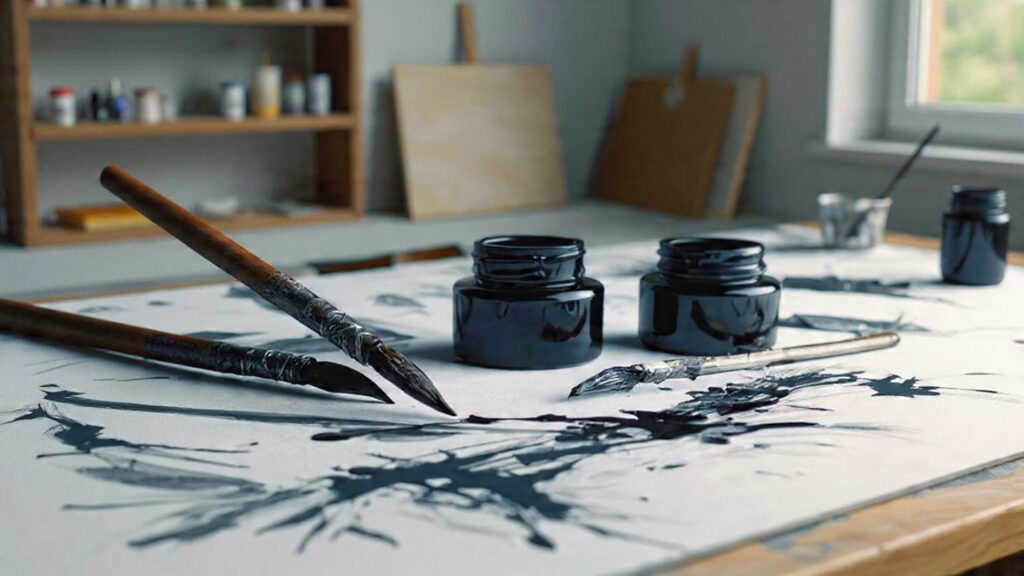
Acrylic inks are fluid, highly pigmented, and ideal for fine details and vibrant effects. Artists can use brushes, dip pens, or airbrushes to apply inks for precision and fluidity. Acrylic ink works well for illustration, calligraphy, and detailed line work. Combining acrylic inks with traditional paints creates depth, contrast, and vibrancy. The style allows for both controlled detailing and expressive, spontaneous marks.
17. Surreal Acrylic Painting
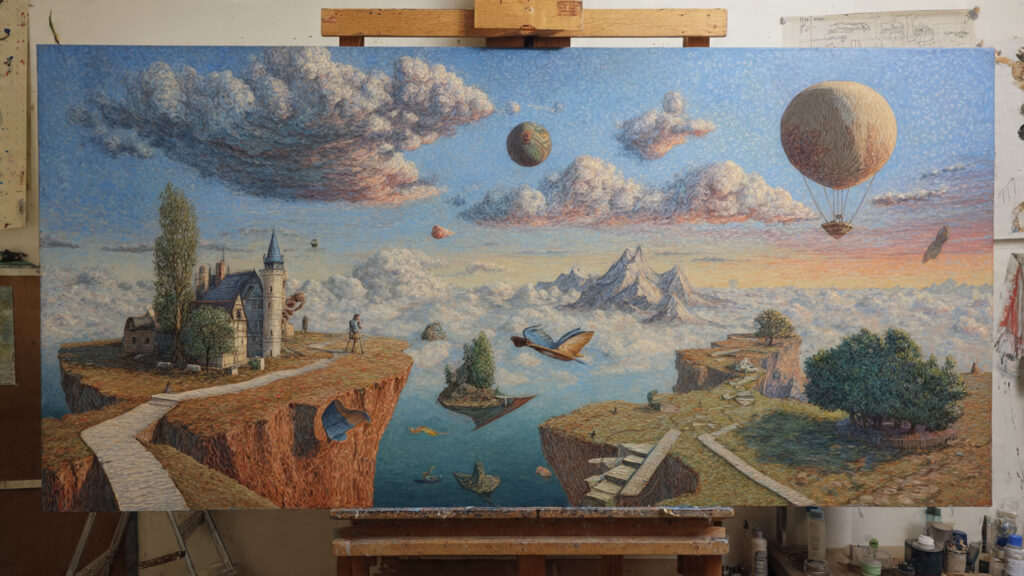
Surrealism blends realistic elements with imaginative, dream-like scenes. Artists combine unusual subjects, unexpected juxtapositions, and fantastical landscapes to evoke a sense of wonder. Acrylics allow layering, glazing, and mixed techniques to enhance the surreal effect. Surreal painting encourages creativity, symbolic storytelling, and conceptual exploration. Artists can manipulate colors, textures, and forms to create otherworldly visuals that captivate viewers.
Can I use the gesso from VBS when I continue with coffee.- or should I take one paint( color) to fix the smog( my cancer for the New York smog?????
Yes, you can use gesso from VBS Hobby Service to fix the coffee texture. Just make sure the coffee is fully dry and apply a thin, gentle layer. Paint can also fix it, but it may cover the smoky effect you want for your New York City smog painting, so gesso is usually the better choice.
Sorry I have a question. I am from Switzerland and stay in a lighthouse cause I am very sick and every thing I have is to paint acrylic diffrent styl. I don’t have much money and so I get my past , to paint structures by my self. I have now a big canvas with the skyline from New York in the smog.- the caffee I will make with caffee poulder.- to fix the caffee on the big canvas , I ask if I can take the gesso from VBS.- ( to hold on the sky.- ). Should I fix it with a color paint ( or can I use this gesso.- I would be very happy to get an answer. Many thank from the Swiss alps . Edith
If gesso is your only option, first make sure the coffee layer is completely dry so it sticks properly and doesn’t smear. Then apply a very thin coat of gesso gently with a soft brush, avoiding scrubbing because that can disturb the texture. Allow it to dry fully before painting over it, as this helps seal the coffee powder and gives you a more stable surface to continue your artwork.