Creative Painting Ideas to Spark Your Artistic Imagination
Painting is one of the most expressive and fulfilling forms of art. Whether you are a beginner exploring colors for the first time or an experienced artist looking for fresh inspiration, experimenting with different painting ideas can unlock new creativity and confidence. From calming landscapes and dreamy abstracts to modern minimalist pieces and textured artwork, painting allows you to transform simple canvases into meaningful visual stories. In this guide, you will discover inspiring painting ideas that suit various styles, moods, and skill levels. Each idea is designed to help you explore techniques, color palettes, and compositions that elevate your artistic journey while also making beautiful decor pieces for your home.
Introduction
Painting is one of the most powerful and personal forms of creative expression. With just a canvas, a few brushes, and your favorite colors, you can transform simple materials into meaningful works of art. Whether you are a complete beginner exploring acrylics for the first time or an experienced artist searching for fresh inspiration, discovering new painting ideas can reignite your creativity and expand your artistic skills. From calming landscapes and dreamy galaxy scenes to bold abstract compositions and delicate floral artwork, painting offers endless possibilities to experiment with texture, color, and emotion.
In this guide, you will explore a variety of creative painting ideas designed to suit different styles, moods, and skill levels. Each idea not only sparks inspiration but also helps you practice essential techniques like blending, layering, shading, and composition. No matter your experience level, these painting concepts will encourage you to step outside your comfort zone and create artwork that feels both beautiful and uniquely yours.
1. Abstract Color Splash Painting
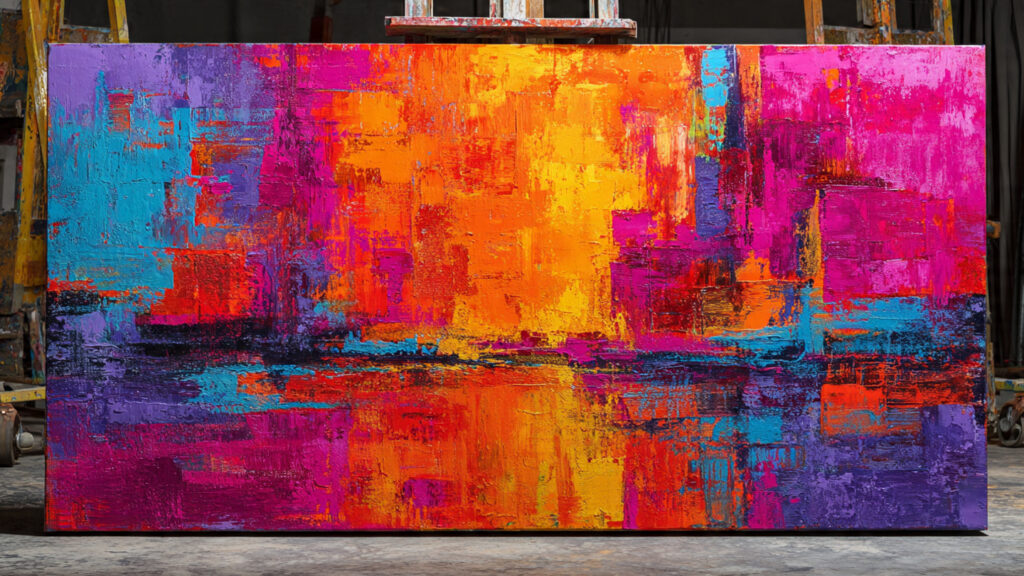
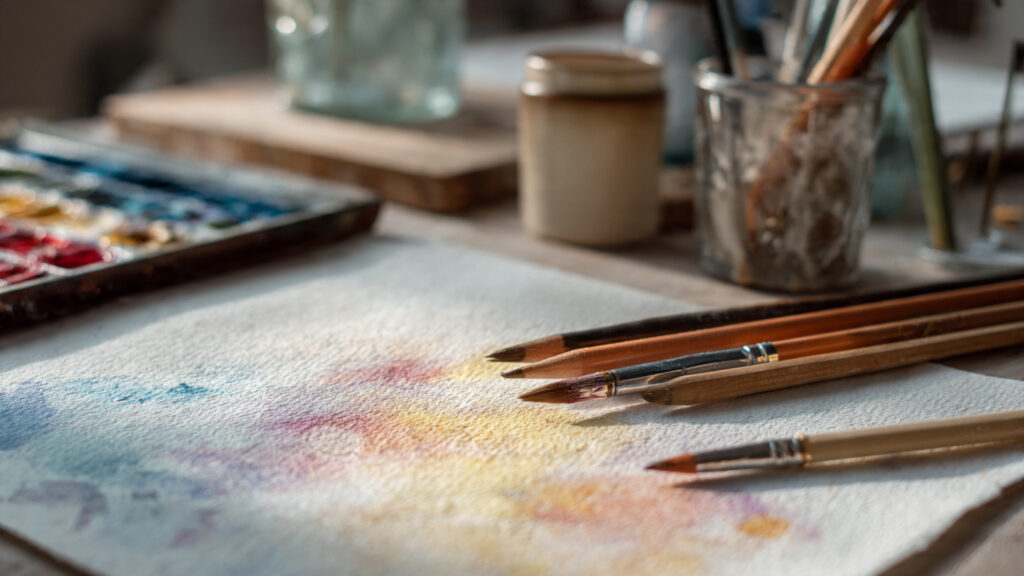
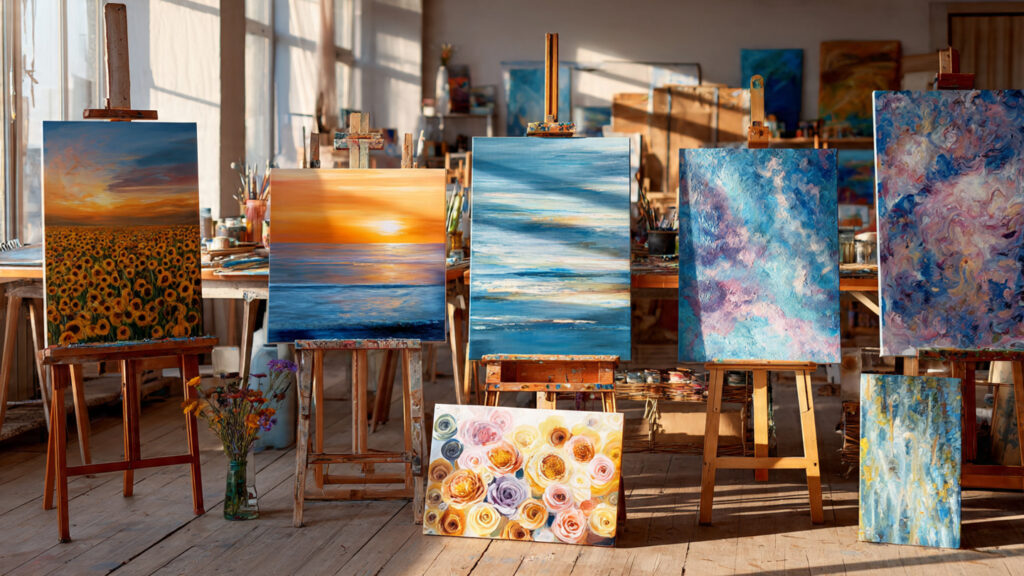
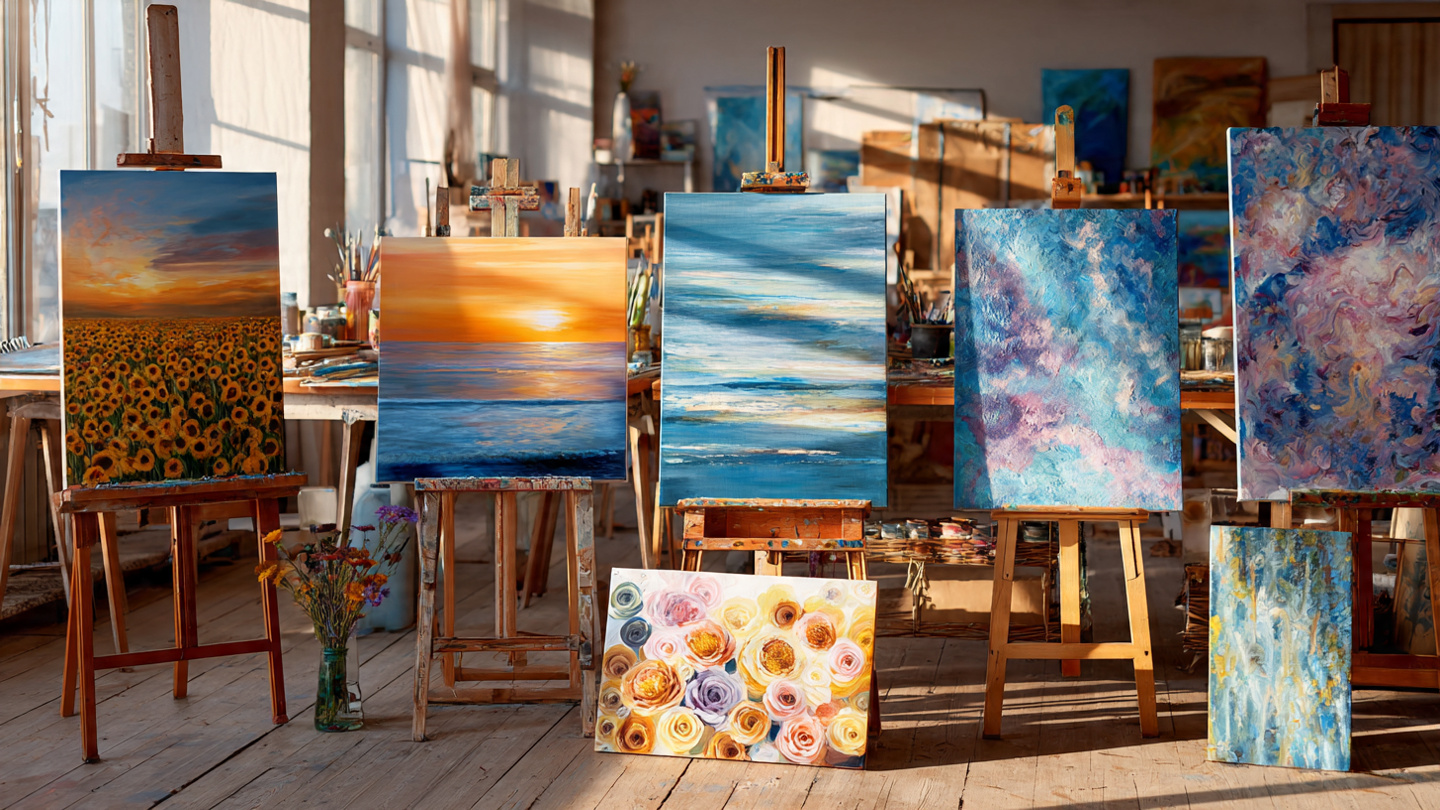
Abstract color splash painting is all about emotion, movement, and bold experimentation. Unlike realistic art, abstract work allows you to paint how you feel rather than what you see. Begin with a neutral or lightly toned background—white, beige, or soft gray works beautifully to let your colors stand out. Choose 3–5 dominant colors to avoid overwhelming the composition. For dramatic energy, use high-contrast combinations like turquoise and coral, navy and gold, or crimson and black. For a calmer look, try muted earth tones or dusty pastels.
Use a mix of tools such as wide brushes, palette knives, sponges, or even dripping techniques. Layer thick acrylic paint for texture, and experiment with splattering using a toothbrush for spontaneous movement. One powerful technique is “controlled chaos”—apply bold strokes first, then refine with subtle highlights or metallic accents to add depth. Step back often and observe balance; abstract art may look random, but strong compositions still follow visual harmony and color balance principles.
This style works beautifully as modern wall decor and is perfect for artists who want to loosen up creatively without pressure.
2. Serene Sunset Landscape
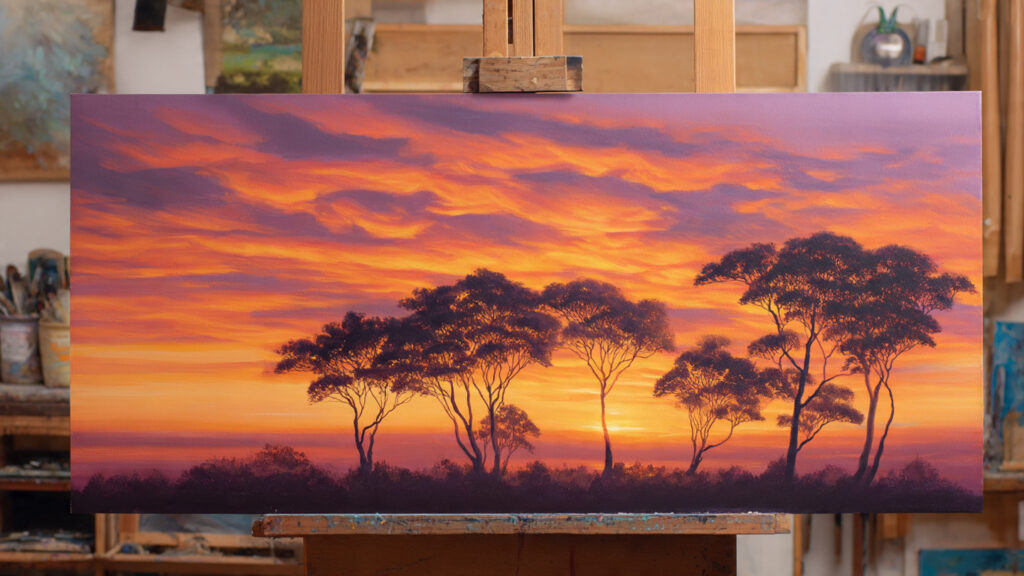
Sunset paintings are timeless because they capture a fleeting, magical moment. The key to a stunning sunset is mastering smooth gradients. Start by blending yellow near the horizon into orange, pink, and finally deep purple or blue at the top of the sky. Use a soft flat brush and blend while the paint is still slightly wet for seamless transitions.
Silhouettes add drama and depth. Trees, birds, city skylines, or mountain ridges painted in black create a strong contrast against the glowing sky. To make your sunset more realistic, reflect the sky colors onto the water if you’re painting a lake or ocean scene. Adding subtle highlights in the clouds with a lighter shade of pink or peach can enhance realism.
Composition tip: Avoid placing the horizon exactly in the center. Use the rule of thirds to create a more dynamic layout. This style is beginner-friendly but can be elevated with detailed cloud work and atmospheric blending techniques.
3. Ocean Wave Painting
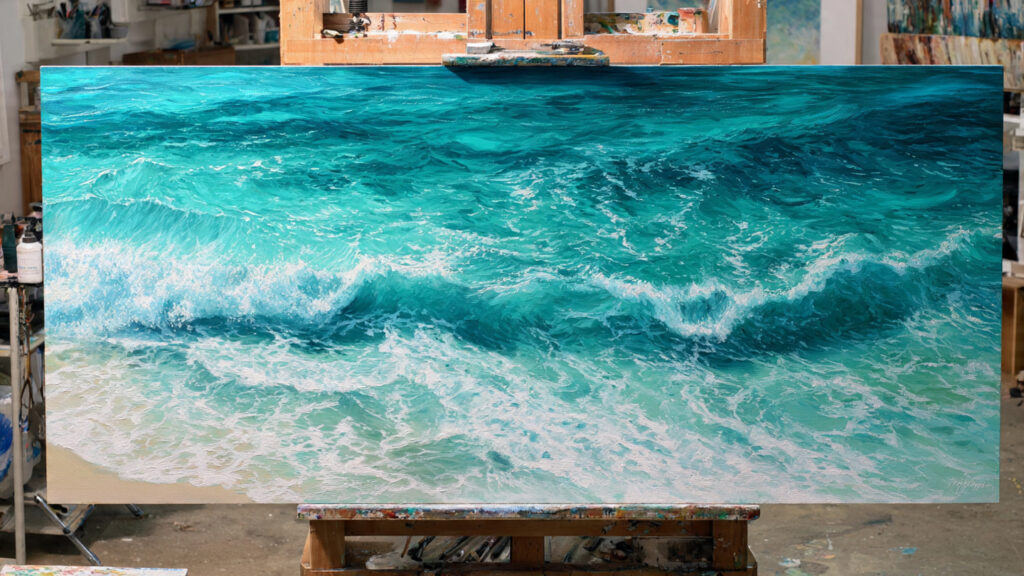
Ocean wave painting teaches movement and depth. Start with a dark blue base layer and gradually build lighter tones as you move toward the crest of the wave. Mixing ultramarine with hints of green creates realistic ocean shades. Add white highlights sparingly to represent foam and crashing water.
The secret to realistic waves lies in curved, directional brush strokes. Follow the natural arc of the wave. Use a dry brush technique for subtle foam texture and a small detail brush to define splashes. Layering translucent glazes can enhance depth and give the illusion of sunlight passing through water.
To make your ocean scene more dynamic, consider adding a sandy shoreline, rocks, or a distant horizon. This painting style is ideal for artists who want to practice motion, layering, and contrast.
4. Floral Bouquet Canvas
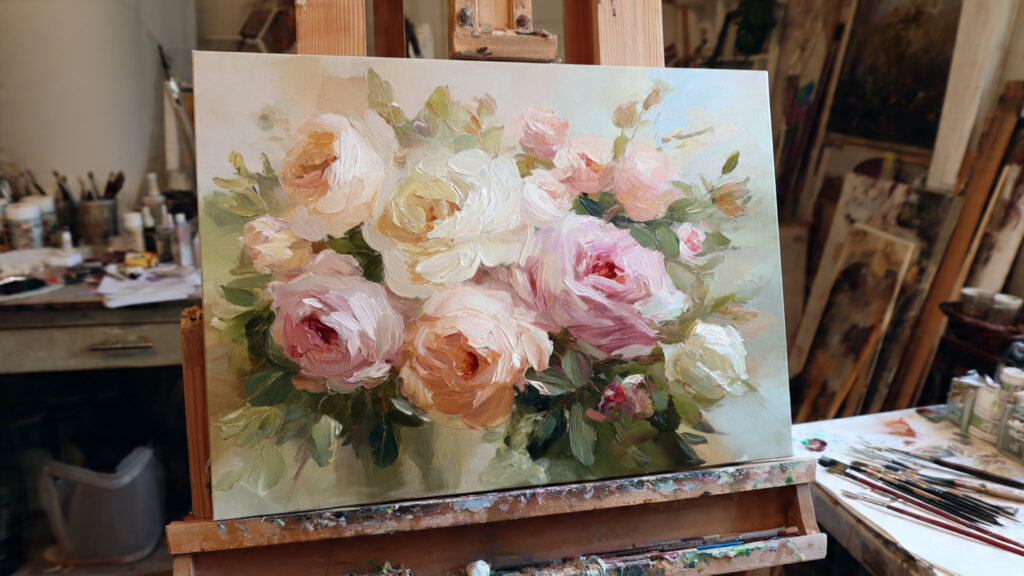
Floral paintings allow endless creativity. You can choose hyper-realistic roses or loose impressionistic blooms. Begin with a soft background wash—light blush, pale blue, or warm cream. This helps your flowers stand out naturally.
When painting petals, build from dark to light. Start with mid-tone colors, then add shadows in deeper shades and highlights with lighter tones. This layering creates volume. Use a round brush for soft petal curves and a fine liner brush for delicate stems and details.
Composition tip: Arrange flowers in triangular or circular groupings for balance. Add greenery to fill negative space and create natural flow. Mixing warm and cool shades in your bouquet adds richness and visual interest. Floral art works beautifully for romantic decor and makes thoughtful, handmade gifts.
5. Galaxy Night Sky
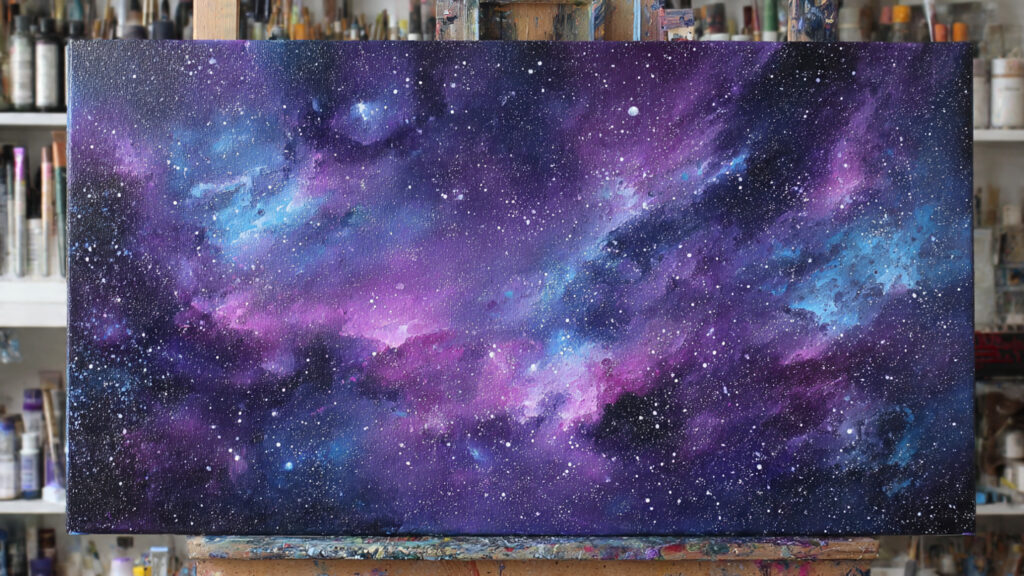
Galaxy paintings are magical and highly satisfying to create. Start with a black or navy base. While still slightly wet, blend in patches of purple, magenta, and deep blue using circular motions. This creates the illusion of cosmic clouds.
For stars, dip a toothbrush in white paint and gently flick it across the canvas for a natural splatter effect. Add larger stars with a detail brush and consider drawing subtle constellations for personalization. A glowing moon can be created by layering white and soft gray in circular gradients.
For extra dimension, lightly blend a soft halo of color around bright stars. This adds realism and depth. Galaxy art is perfect for experimenting with blending and texture while creating a dreamy, ethereal masterpiece.
6. Minimalist Line Art Painting
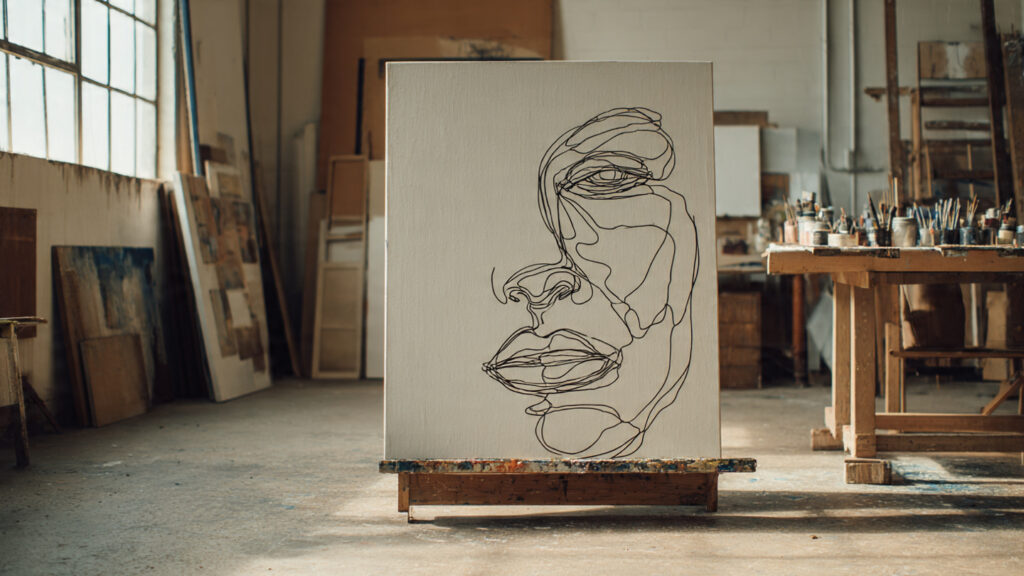
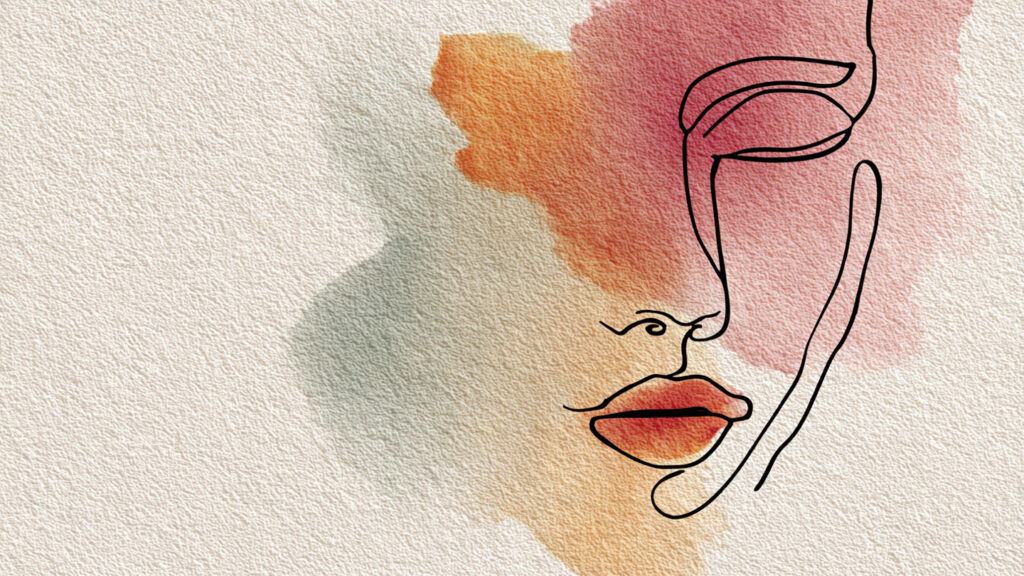
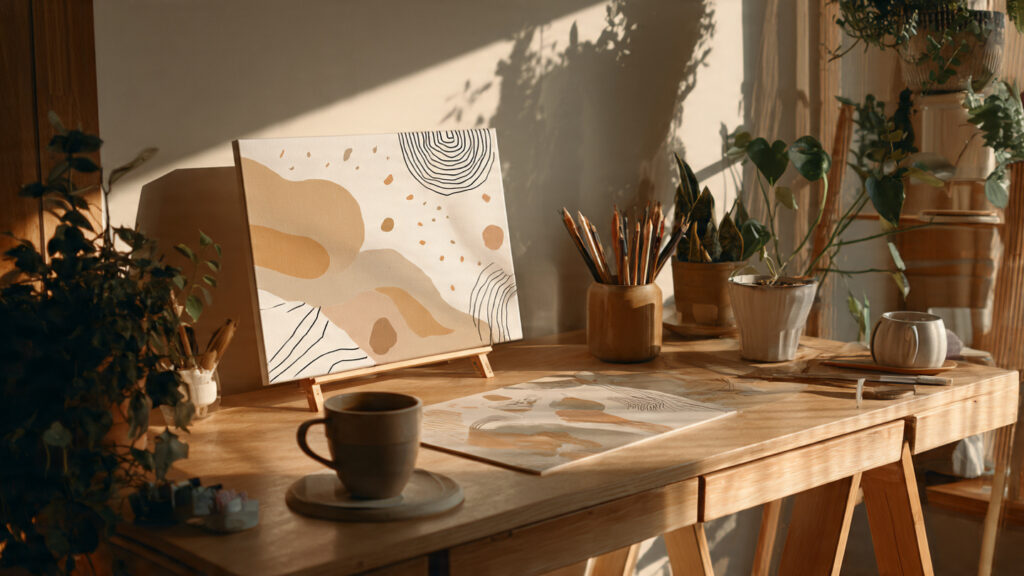
Minimalist painting proves that simplicity can be powerful. Start with a clean, neutral background—beige, ivory, or muted gray works beautifully. Use thin black, dark brown, or metallic gold paint for the linework.
Continuous line faces, abstract shapes, or botanical outlines are popular subjects. The key is confident, smooth strokes. Practice your design lightly in pencil before committing to paint. Leave ample negative space to maintain the minimalist aesthetic.
You can elevate minimalist art by adding subtle texture to the background or incorporating small geometric accents. This style fits perfectly in modern interiors and Scandinavian-inspired spaces.
Explore More
7. Mountain Landscape Painting

Mountain landscapes help artists understand perspective and atmospheric depth. Start with distant mountains in soft, lighter tones mixed with white to create a faded look. As you move forward, use darker shades for closer peaks.
Blend gently to mimic mist or early morning fog. Add trees in the foreground using vertical strokes and darker colors. A soft gradient sky enhances the natural feel of the scene.
Adding snow caps with white highlights or subtle shadows beneath peaks increases realism. This painting idea strengthens layering skills and understanding of depth.
8. Sunflower Field Painting
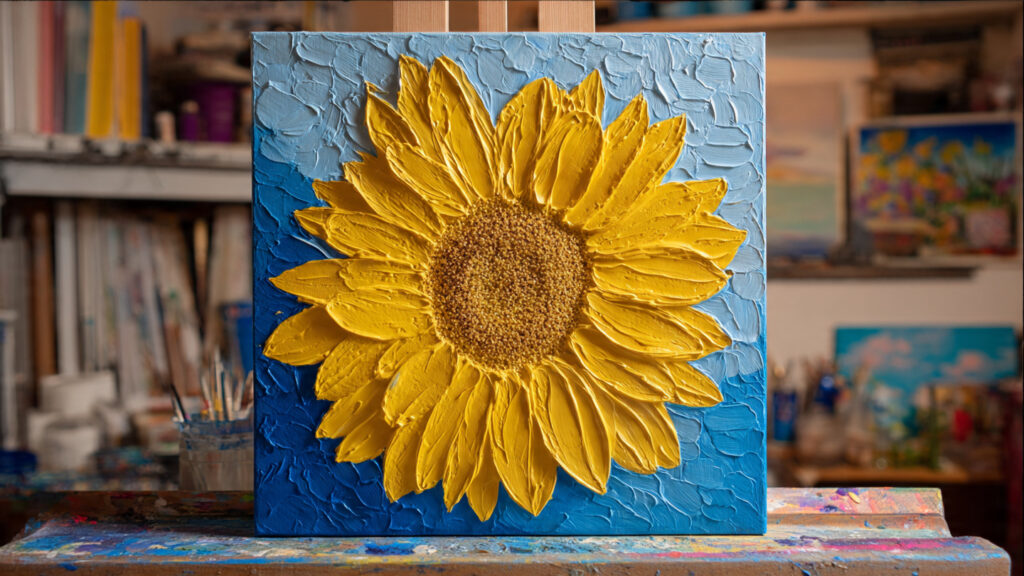
Sunflowers symbolize happiness and warmth. Begin by blocking in large yellow circular shapes for petals. Use varied shades—mustard, golden yellow, and light lemon—to create depth. Dark brown mixed with hints of orange works well for the center.
Add texture by layering short brush strokes outward from the center. A bright blue sky background enhances contrast and vibrancy. You can create a single close-up sunflower or an entire field fading into the distance.
This painting style is cheerful, beginner-friendly, and perfect for kitchen or living room decor.
9. Moonlit Forest Scene
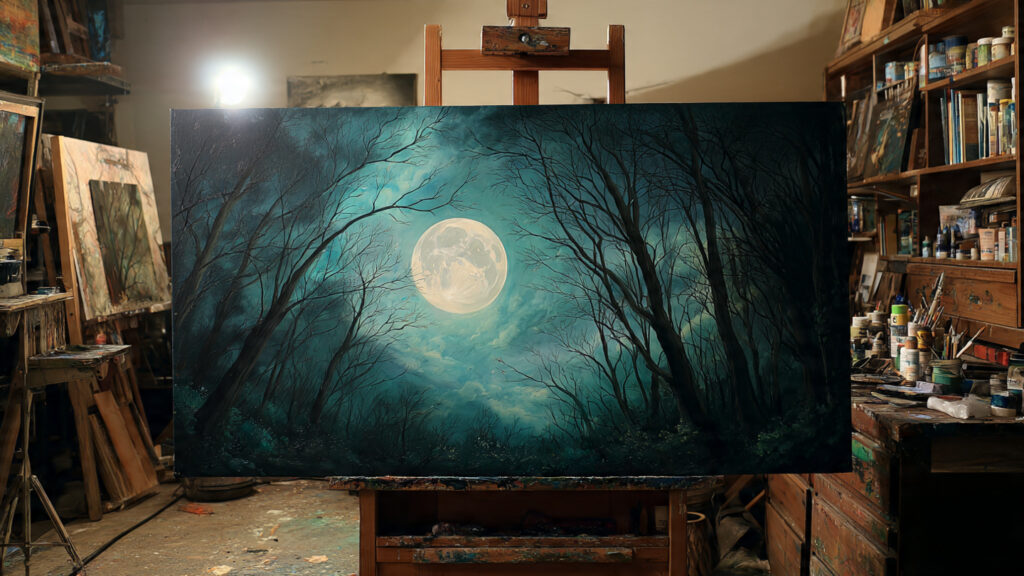
Moonlit forest paintings rely heavily on contrast and atmosphere. Start with a deep navy or black base. Blend lighter blue around the moon area to create a glowing halo effect.
Paint tree silhouettes using a thin brush, varying heights and thickness for realism. Add subtle mist near the ground with a dry brush technique. Small highlights on tree edges can simulate moonlight reflection.
You can add a path, lake reflection, or subtle stars to enrich the composition. This style helps artists practice dramatic lighting and mood creation.
10. Textured Palette Knife Painting

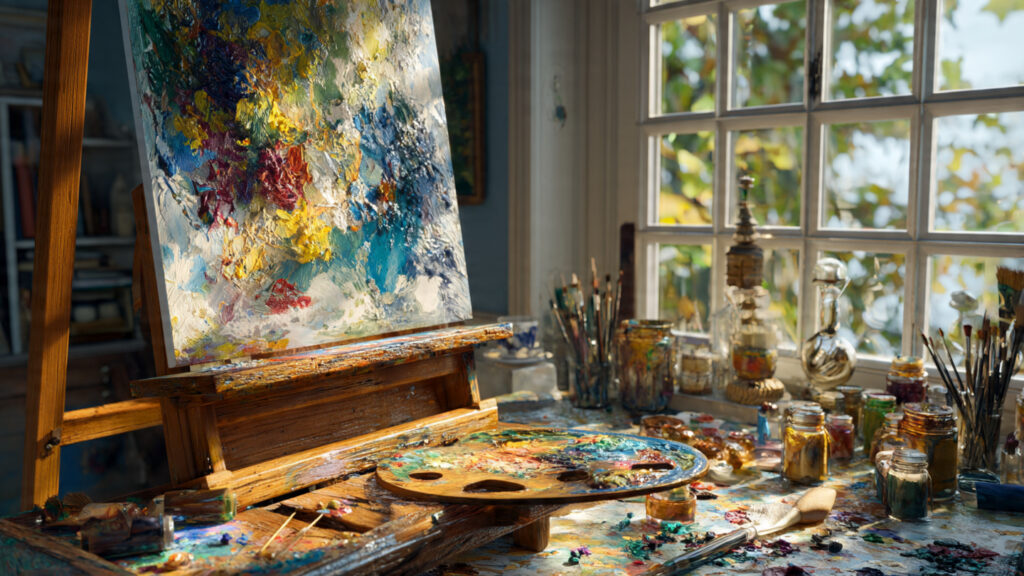
Palette knife painting adds bold texture and dimension. Instead of brushing paint smoothly, apply thick layers using a knife in sweeping or pressing motions. This creates ridges and raised surfaces that catch light beautifully.
Use heavy body acrylic or oil paints for best results. Choose a limited color palette for sophistication—neutral tones with a pop of metallic gold look modern and elegant. Allow layers to dry before adding additional texture for structural depth.
This technique transforms simple designs into statement wall art pieces with physical dimension.
Conclusion
Exploring different painting ideas is one of the best ways to grow as an artist and discover your personal style. Every brushstroke teaches something new — whether it’s mastering smooth sunset gradients, building texture with a palette knife, or capturing depth in a mountain landscape. The journey of painting is not about perfection; it is about expression, experimentation, and enjoying the creative process.
As you try these painting styles, allow yourself to make mistakes, play with color combinations, and develop techniques that feel natural to you. Over time, your confidence will grow, and your artwork will begin to reflect your unique artistic voice. Keep practicing, stay curious, and most importantly, enjoy every moment spent creating. Your next inspiring masterpiece is waiting to be painted.