Love Letters Aesthetic Art & Craft Ideas
The love letters aesthetic celebrates romance, nostalgia, and emotional storytelling through handwritten notes, vintage paper, pressed florals, and heartfelt details. Rooted in timeless expressions of love, this art and craft aesthetic transforms ordinary materials into deeply personal keepsakes. From aged envelopes and calligraphy to scrapbook spreads and wall art, love letters, sentiment, and vintage charm in creative spaces. Whether you’re journaling, crafting gifts, or decorating your home, this aesthetic invites you to slow down. Write from the heart, and create art that feels meaningful and intimate.
Introduction: The Timeless Romance of Love Letters
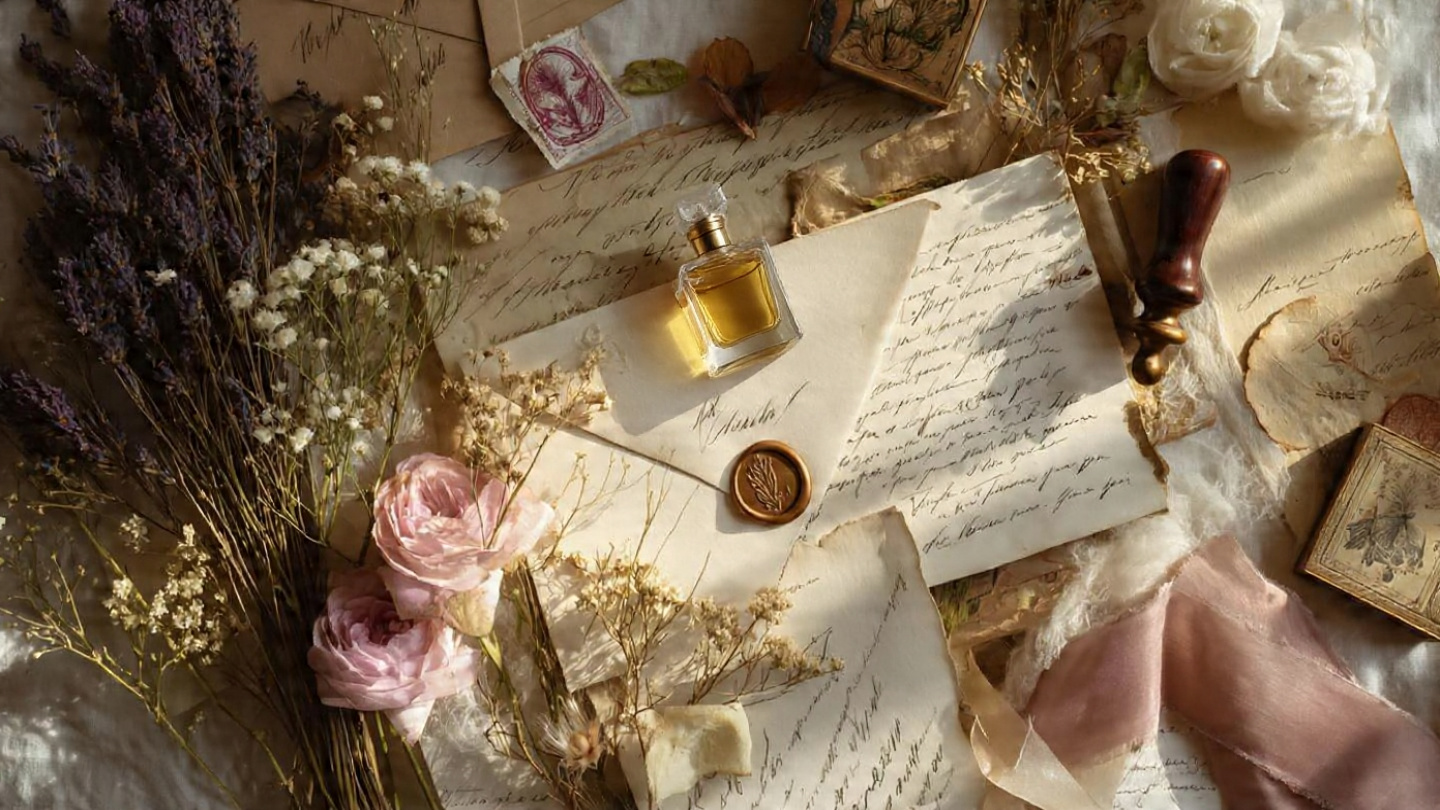
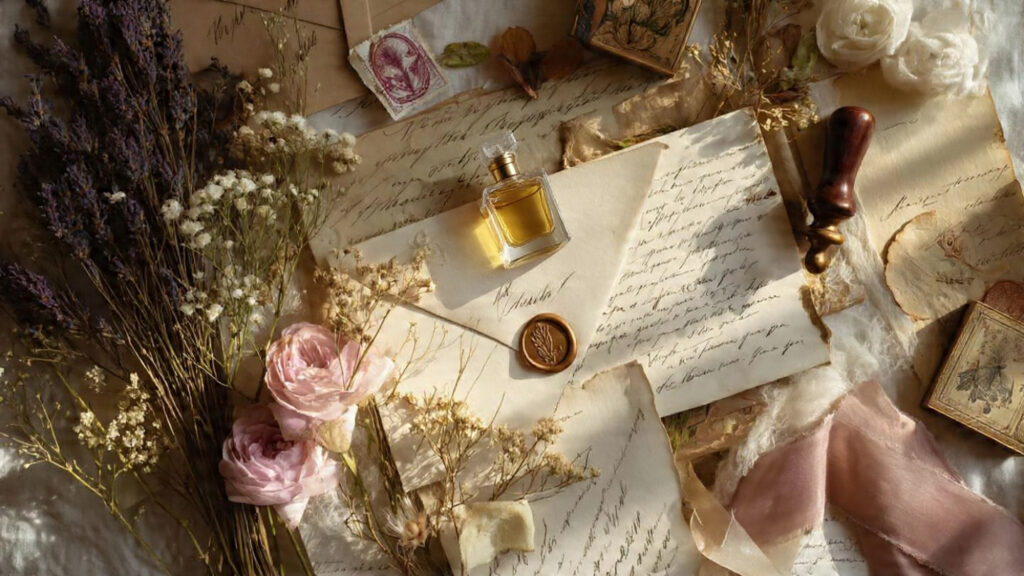
In a world dominated by instant messages and fleeting digital words, the love letters aesthetic feels. Like a quiet rebellion—slow, intentional, and deeply emotional. Love letters are more than written words; they are tangible memories, vessels of longing, hope, and devotion. This aesthetic blends vintage romance, soft textures, handwritten typography, and sentimental storytelling. Making it perfect for art lovers, crafters, and creatives who crave meaning in their work.
From tea-stained papers and wax seals to cursive handwriting and pressed flowers. The love letters aesthetic allows artists to create pieces that feel personal and timeless. In this guide, we’ll explore creative art and craft ideas inspired by love letters, along with styling tips and image prompts.
Love Letters Aesthetic Art & Craft Ideas:
1. Handwritten Love Letter Wall Art
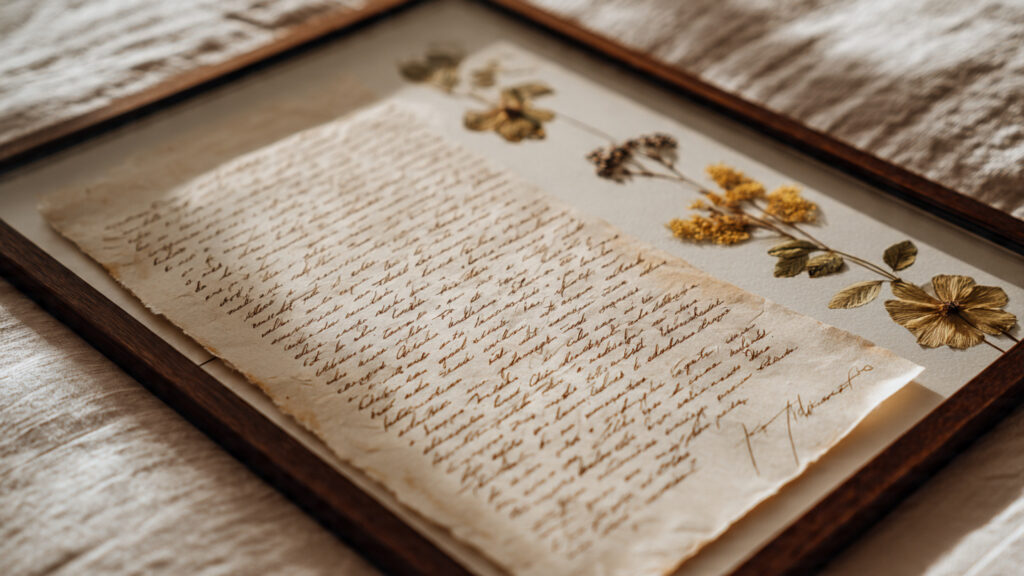
Handwritten love letter wall art represents the heart of the love letters aesthetic, where emotion takes priority over precision. This style celebrates the beauty of imperfection—letters that lean slightly. Lines that vary in thickness and spacing that feel natural rather than measured. These small, human details create an emotional connection, allowing the viewer to sense the presence of the writer behind the words.
The choice of paper plays a significant role in this art form. Handmade, parchment-style, deckle-edged, or tea-stained papers add depth and historical charm, instantly evoking nostalgia. Slight discoloration, visible fibers, or subtle creases enhance the aged look, making the letter feel as though it has been cherished over time. Artists often use fountain pens or dip pens with soft black or sepia. Brown ink to maintain a romantic and timeless tone.
Embellishments are used thoughtfully and sparingly to preserve the emotional focus of the words. Pressed flowers symbolize love and memory, and lace trims add softness. Delicate gold foil accents introduce a subtle sense of elegance. These elements are typically placed around the margins or corners, ensuring the handwritten message remains the focal point. The goal is not decoration for its own sake, but emotional enhancement through texture and symbolism.
Framing choices further define the aesthetic. Minimal wooden frames, antique gold finishes, or distressed white frames complement the vintage mood without overpowering the artwork. When displayed in bedrooms, reading nooks, or creative studios, handwritten love letter wall art becomes more than decor. It becomes a visual reminder of intimacy, affection, and meaningful connection.
2. Vintage Envelope Collage Art
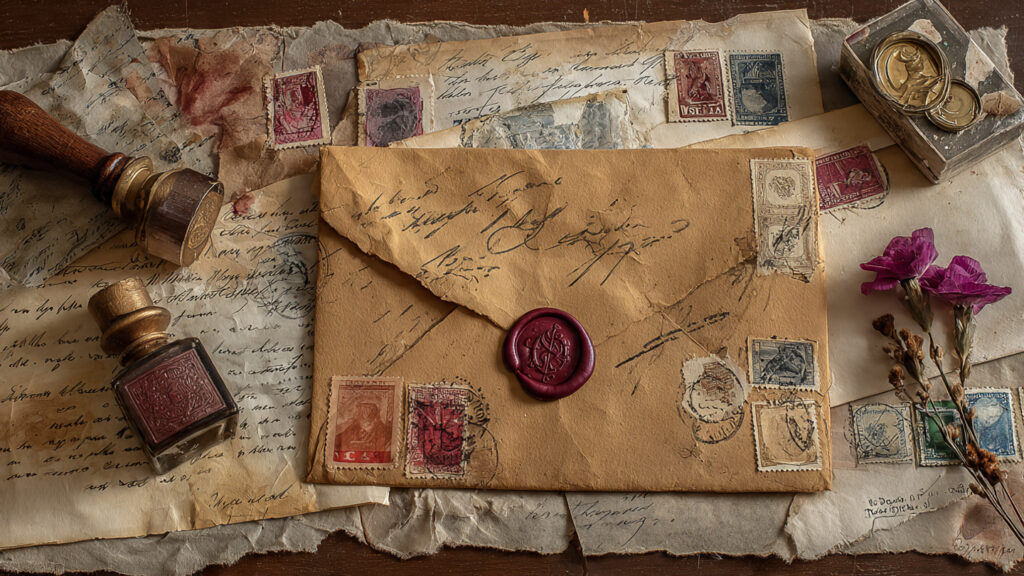
Vintage envelope collage art is a layered storytelling technique that captures the essence of forgotten correspondence and quiet romance. Rather than focusing on a single letter, this style brings together multiple fragments of communication. Like envelopes, postcards, handwritten notes, postage stamps, and paper ephemera—to create a composition that feels collected over time. Each layer represents a moment, a message, or a memory, giving the artwork a sense of lived history.
The visual depth comes from intentional layering. Torn paper edges soften the composition and suggest age, while overlapping elements guide the eye across the artwork in a natural, rhythmic flow. Handwritten fragments—sometimes only partial sentences or faded words—add mystery and emotional weight, as if the viewer has discovered pieces of a private love story. Ink stains, creases, and imperfections are not flaws but essential details that enhance authenticity.
Color plays a vital role in defining this aesthetic. Muted tones such as sepia, ivory, dusty rose, parchment beige, and warm browns dominate, reinforcing the nostalgic and romantic mood. These shades allow the textures and handwriting to stand out without overwhelming the composition. Artists often avoid bright or saturated colors to maintain the aged, timeworn feel that makes this style so emotionally compelling.
Decorative details elevate the collage further. Wax seals introduce a sense of intimacy and tradition, symbolizing letters once sealed with care. Postal marks and stamps add historical character and geographic storytelling. Twine, lace, or ribbon elements bring softness and tactile contrast. Making the artwork feel handcrafted and delicate rather than rigid or structured.
3. Love Letter Scrapbook Journals
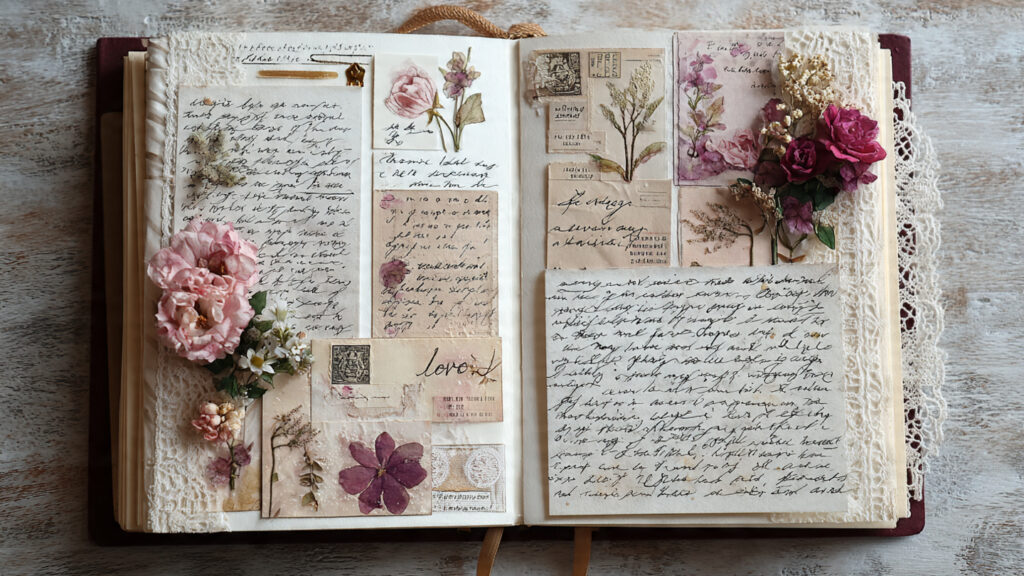
Scrapbook journaling is where the love letters aesthetic truly comes alive, transforming simple pages into intimate chronicles of romance, memory, and sentiment. Each journal becomes a personal diary, a canvas for handwritten letters, romantic quotes, photographs, pressed flowers, and soft fabric textures. Together, these elements create layered compositions that feel like chapters of a love story, a blend of both.
The charm of this style lies in its beautiful imperfections. Ink smudges, uneven handwriting, torn paper edges, and overlapping materials give each page a sense of authenticity and character. These minor “flaws” are not mistakes—they are what make each journal unique and emotionally resonant. The tactile nature of the pages invites readers and creators alike to slow down, touch, and feel the story being told.
Artists and crafters often enhance their scrapbook pages with decorative elements like washi tape, ribbons, vintage stamps, and delicate stickers. Neutral-toned stationery, muted pastels, and subtle patterns keep the aesthetic cohesive, soft, and dreamy. Some creators include personal mementos—ticket stubs, handwritten letters, or small pressed flowers—turning the journal into a miniature archive of love and memory.
4. Wax Seal and Calligraphy Art
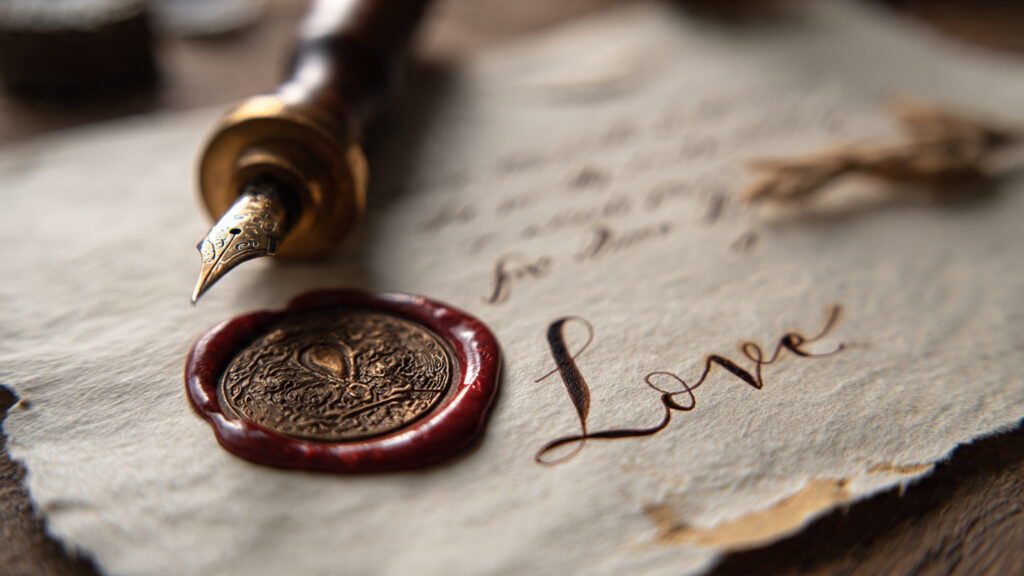
Wax seal and calligraphy art embody the essence of historical romance, tradition, and quiet elegance. Rooted in centuries-old correspondence, this style reflects a time when letters were written with care, sealed with intention, and sent as deeply personal expressions of love. The act of writing itself becomes a ritual—each stroke of the dip pen deliberate, each pause meaningful—turning words into a visual form of devotion.
Calligraphy plays a central role in this aesthetic. Unlike modern typography, hand-drawn letterforms carry emotion through pressure, rhythm, and imperfection. Dip pens and liquid ink allow for expressive strokes, creating graceful contrasts between thick and thin lines. This handcrafted quality emphasizes patience and artistry, making each piece feel unique and irreplaceable
Wax seals add symbolic depth and visual richness. Traditionally used to protect the privacy of letters, wax seals now represent commitment, secrecy, and emotional finality—a message sealed not just with wax, but with feeling. Colors such as deep crimson, soft blush, antique gold, or muted ivory enhance the romantic tone, while imperfect edges and organic wax drips add authenticity and charm.
5. Pressed Flower Love Letters
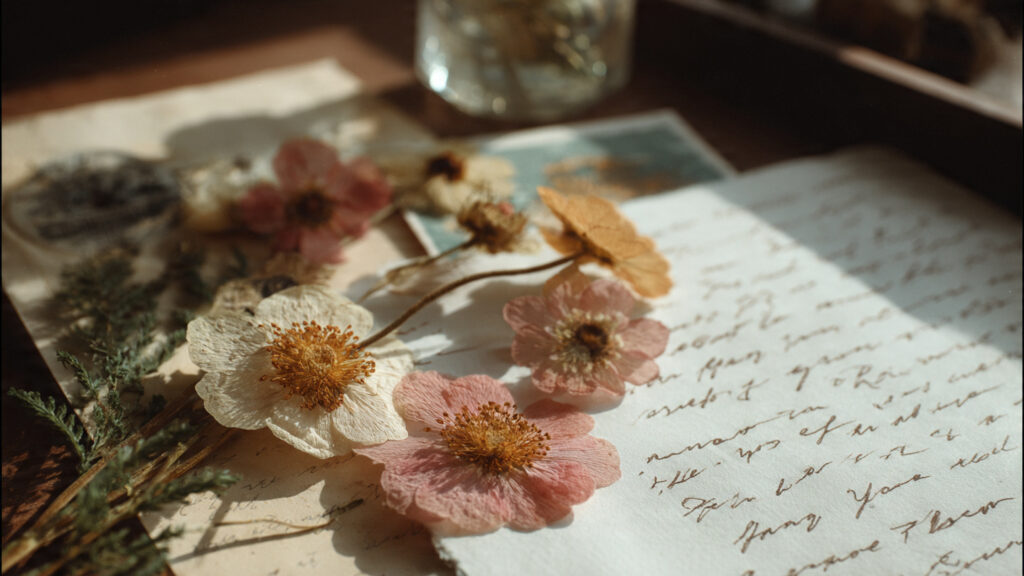
Pressed flower love letters beautifully combine the delicacy of nature with the intimacy of handwritten words, creating art that feels both romantic and timeless. In this style, carefully selected flowers are pressed and dried to preserve their color, texture, and shape, then arranged alongside handwritten notes or letters. The natural softness of petals adds an organic, tactile layer to the composition, while the words anchor the piece in personal sentiment, nostalgia, or poetic expression. This interplay of nature and writing transforms a simple note into a heartfelt keepsake.
Each flower carries a symbolic meaning, adding another layer of storytelling to the artwork. Roses signify love and passion, lavender evokes devotion and serenity, baby’s breath symbolizes purity, and delicate wildflowers can convey innocence, longing, or playfulness. The careful pairing of floral choices with specific words or quotes allows creators to craft unique emotional narratives that resonate deeply with viewers.
A key feature of this aesthetic is its soft, dreamy visual palette. Pastel tones—blush pinks, creams, soft lilacs, and muted greens—dominate the color scheme, creating a gentle, romantic atmosphere. Soft natural lighting or warm, filtered indoor light enhances the subtle colors of the petals and the texture of the paper, producing an ethereal effect in photography or display.
Pressed flower love letters are incredibly versatile. They can be used as handmade gifts, where the combination of a personal message and delicate flowers creates a sentimental treasure; wedding keepsakes, such as love letters exchanged between partners or incorporated into invitation suites; or home decor, framed or displayed to bring softness and romantic nostalgia to any room.
6. Romantic Quote Scrolls

Romantic quote scrolls draw their inspiration from antique manuscripts, handwritten poetry, and the timeless beauty of classic literature. This style feels as though it belongs to another era—one where words were carefully chosen, slowly written, and meant to be treasured. Long sheets of paper are gently rolled into scrolls and secured, instantly giving the piece a storybook and heirloom quality.
The paper itself plays a crucial role in the aesthetic. Artists often stain or distress the surface using tea, coffee, or natural pigments to achieve an aged, weathered look. Textured or handmade paper adds depth, allowing the scroll to feel tactile and authentic. Soft creases, uneven edges, and subtle discoloration suggest a letter that has traveled through time, carrying emotion and memory with it.
Handwritten quotes, romantic poetry, or fictional love letters are typically written in flowing cursive or calligraphy, adding drama and elegance to the piece. The intentional spacing of words and the natural movement of ink across the page create a sense of rhythm and emotion. Some artists enhance the scrolls with delicate flourishes, subtle ink sketches, or wax seals placed at the ribbon tie, deepening the old-world romance.
Romantic quote scrolls are especially popular for styled photography, creative storytelling projects, and themed art collections. They evoke fantasy, longing, and quiet emotion, making them perfect for those who love blending literature with visual art. Within the love letters aesthetic, these scrolls serve as poetic artifacts and are more like preserved pieces of a forgotten love story.
7. Love Letter Shadow Box Art
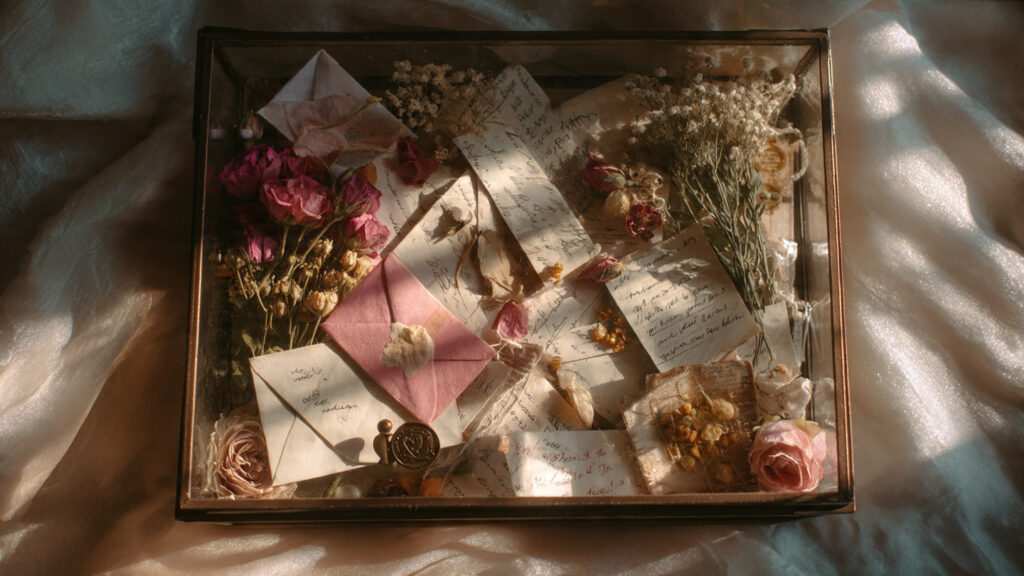
Love letter shadow box art brings the love letters aesthetic into a three-dimensional, storytelling format, allowing emotions to be preserved in layers rather than on a flat surface. Unlike traditional framed art, shadow boxes create depth and intimacy by enclosing meaningful objects—handwritten letters, aged envelopes, antique keys, wax seals, dried flowers, and small charms—inside a deep frame. Each element feels intentional, as though it has been carefully collected over time to represent a shared memory or an unspoken story.
What makes this style especially powerful is its narrative quality. A folded love letter may symbolize words never spoken aloud, while an old key can represent trust, distance, or emotional connection. Dried flowers add softness and fragility, suggesting the passage of time and preserved affection. When layered together, these objects transform the shadow box into a visual love letter—one that can be revisited again and again.
Neutral and muted color palettes—such as ivory, beige, soft browns, dusty rose, and faded sepia—are essential to maintaining the romantic tone. These colors keep the focus on texture, depth, and symbolism rather than bold contrast. Natural materials like wood frames, linen backing, and handmade paper further enhance the nostalgic, handcrafted feel.
Love letter shadow box art works beautifully as statement decor in bedrooms, hallways, or creative studios, where it quietly draws the viewer in. It is also a deeply meaningful choice for handmade gifts, anniversaries, as each box can be customized to tell a unique story. More than decoration, this style captures moments, emotions, and memories—turning love into something tangible, timeless, and beautifully preserved.
Color Palette & Styling Tips
The love letters aesthetic is defined by a soft, muted color palette that feels calm, romantic, and gently aged by time. Shades like cream and ivory form the foundation, echoing antique stationery and handwritten correspondence from another era. These lighter tones allow the words and textures to breathe, creating a sense of quiet intimacy. Dusty rose and blush pink introduce warmth and romance without feeling overly bold, while sage green adds a natural feel. Sepia browns and warm beige hues complete the palette, mimicking the look of aged ink and well-loved envelopes.
Styling plays an equally important role in bringing this aesthetic to life. Natural textures such as linen fabric, handmade or recycled paper, lace trims, parchment, and cotton ribbons add depth and authenticity. These materials create a tactile experience that feels personal and slow-made rather than polished or modern. Slight imperfections—torn edges, uneven ink flow, and soft wrinkles. Light stains are not flaws but essential elements that enhance the nostalgic charm.
When styling your art or craft pieces, opt for soft, diffused lighting rather than harsh brightness. Warm daylight or gentle shadows help create an emotional atmosphere, making each piece feel like a preserved memory. Handwritten fonts, cursive calligraphy, and loosely spaced lettering should look organic and expressive, as if written in a quiet moment of affection. Together, these color and styling choices form a cohesive visual language that feels romantic, timeless, and deeply human.
Why the Love Letters Aesthetic Resonates
The love letters aesthetic resonates so deeply because it speaks to a universal longing for connection, sincerity, and emotional depth. In an age where communication is fast and often fleeting. This aesthetic reminds us that words can be treasured, reread, and held close—turning simple paper into emotional keepsakes.
For artists and crafters, the love letters aesthetic offers a powerful way to tell stories without needing perfection. Every ink smudge, faded edge, or pressed flower carries meaning, making each piece feel authentic and personal. It allows creators to express emotions such as longing, devotion, nostalgia, and tenderness through texture and form rather than complexity.
By working with paper, ink, and tactile materials, artists reconnect with the physical act of creation, making their work feel intimate and soulful. That emotional honesty is why the love letters aesthetic continues to inspire, comfort, and captivate creatives and viewers alike.
Conclusion
The love letters aesthetic is more than a passing visual trend—it is a quiet return to intimacy, intention, and emotional presence in art and craft. In a time when words are often typed, sent, and forgotten within seconds. This aesthetic reminds us of the power of slowing down and creating with care. Each handwritten line, torn paper edge, and pressed flower carries meaning, turning ordinary materials into vessels of memory and feeling.
Through handwritten wall art, vintage envelope collages, scrapbook journals, wax-sealed notes, and floral details. Love-letter–inspired crafts become deeply personal expressions of romance and nostalgia. These creations are not just decorative; they are emotional keepsakes that hold stories, longing, and tenderness. The imperfections—the smudged ink, uneven handwriting, and weathered textures—are what make this aesthetic feel human and timeless.