11 Powerful Techniques for Blending in Oil Painting
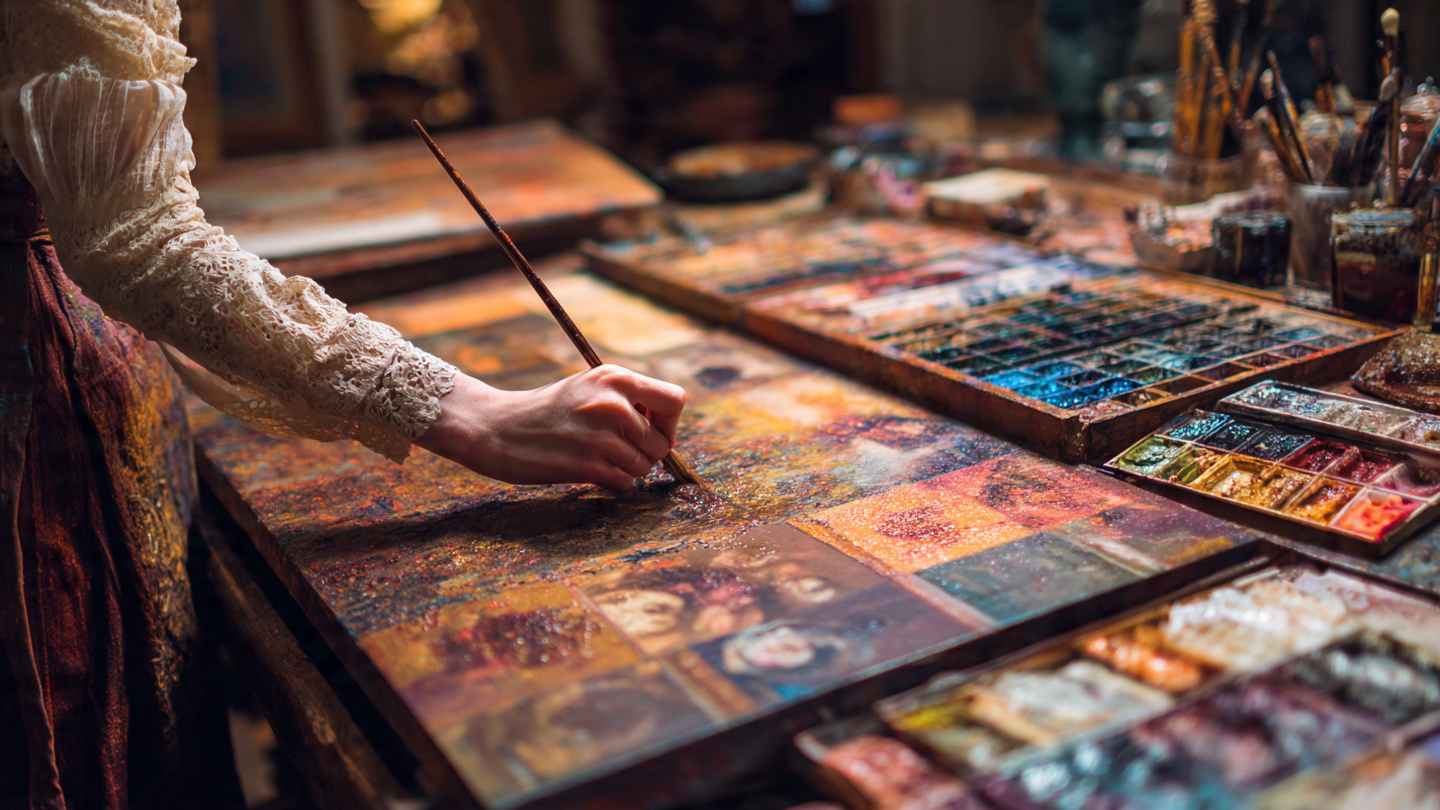
Blending is one of the most captivating and essential skills in oil painting. It transforms rough brushstrokes into smooth transitions, creates depth, and brings realism and emotion to artwork. Whether you are a beginner exploring oil paints for the first time or an experienced artist refining your technique, mastering oil paint blending can dramatically elevate your work. This in-depth guide explores eleven powerful oil painting blending techniques, explaining how each method works, when to use it, and how it affects texture, mood, and realism. From traditional wet-on-wet blending to advanced glazing and scumbling methods, this article provides practical insights, creative tips, and visual inspiration to help you develop confident, expressive oil paintings.
1. Wet-on-Wet Blending Technique (Alla Prima)
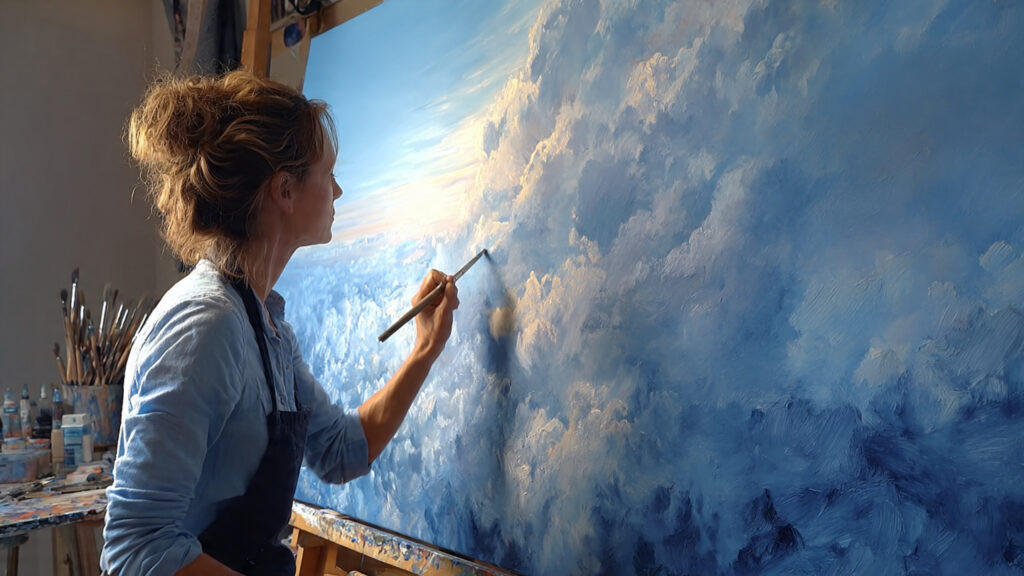
Wet-on-wet blending is one of the most expressive and widely used oil painting techniques, especially favored by impressionist and landscape artists. In this method, fresh oil paint is applied directly onto another layer of wet paint, allowing colors to merge naturally on the canvas. Because oil paint dries slowly, artists have extended working time to manipulate tones, soften edges, and adjust transitions without rushing. This technique encourages fluid brush movements and spontaneous decision-making, making it perfect for capturing fleeting light, dynamic skies, and emotional impressions rather than fine details.
Artists often begin with a toned canvas or a thin underpainting before layering wet paint. Blending occurs through gentle brush pressure, circular motions, or sweeping strokes, allowing colors to mix visually rather than fully merging into one flat tone. The key to mastering wet-on-wet blending lies in brush control—too much pressure can muddy colors, while light strokes preserve vibrancy. This method is ideal for beginners because it teaches color interaction directly on the canvas and helps artists develop confidence in handling oil paint.
2. Dry Brush Blending Technique

Dry brush blending focuses on subtlety, texture, and control. Unlike wet-on-wet blending, this technique uses a brush with minimal paint and little to no medium. The brush is dragged lightly across the surface, allowing broken color and texture from the canvas or underlying paint to show through. This creates a soft, airy effect that is perfect for highlights, atmospheric details, and textured surfaces.
Dry brush blending is especially effective for adding realism to elements like hair, fur, weathered wood, fabric folds, and rough landscapes. Because the paint layer is thin, artists must work slowly and intentionally, building up transitions gradually. This technique prevents over-blending and helps maintain crisp details while still achieving smooth tonal shifts. It is commonly used in the final stages of a painting to refine edges and add visual interest without overpowering the composition.
3. Feathering Blending Technique
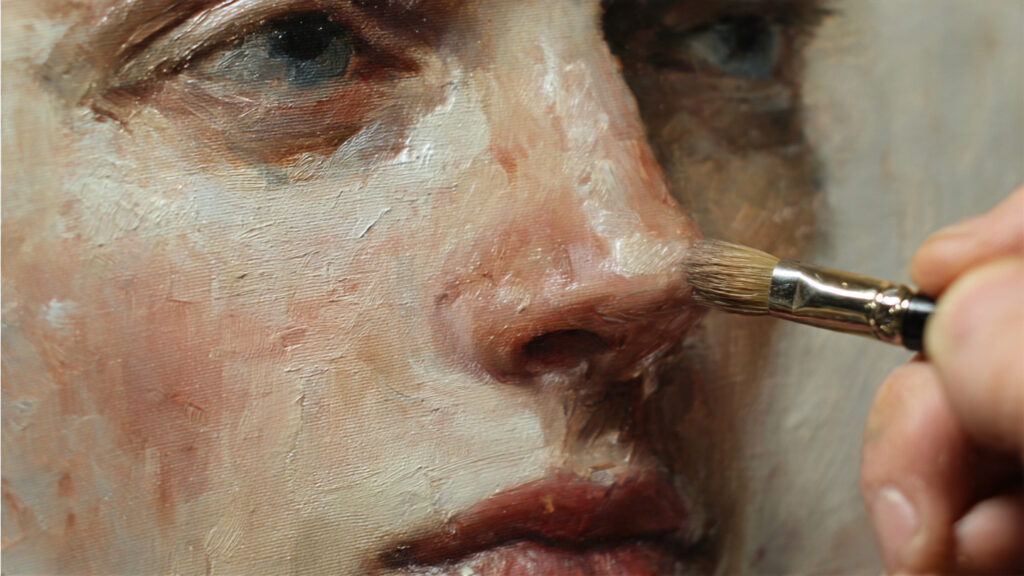
Feathering is a delicate blending method used to soften transitions between two colors while maintaining clarity and luminosity. The technique involves using a clean, soft brush to lightly flick or sweep across the boundary where colors meet. These small, repeated strokes gradually pull one color into another, creating a seamless gradient without fully mixing the paint.
This technique is particularly valuable in portrait painting, where smooth transitions are essential for realistic skin tones. Artists often use feathering around facial features such as cheeks, jawlines, and noses to avoid harsh lines. The success of feathering depends on patience and restraint—overworking the area can result in dull, muddy colors. When done correctly, feathering preserves the richness of each color while creating an elegant, natural blend.
4. Blending with Fingers or Cloth
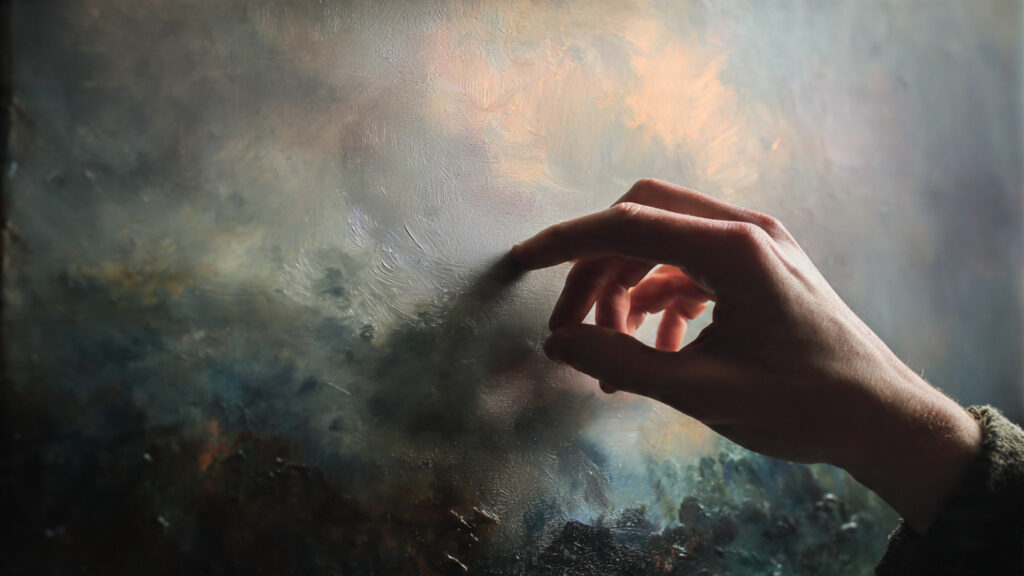
Blending oil paint with fingers or cloth offers a tactile, intuitive approach that many artists enjoy. Fingers provide direct sensitivity to pressure and movement, allowing artists to feel the paint as it moves across the canvas. Cloths or paper towels are often used to soften edges, remove excess paint, or gently merge tones.
This method is especially effective for creating smooth backgrounds, glowing highlights, and soft atmospheric effects such as clouds or mist. However, it requires careful handling to avoid lifting too much paint or contaminating colors. Artists should clean their fingers or cloth frequently and use this technique sparingly to maintain paint structure. When used thoughtfully, finger blending adds warmth and organic flow to oil paintings.
5. Scumbling Technique

Scumbling is a powerful blending technique that adds texture and visual depth without fully covering underlying layers. It involves lightly brushing a thin, opaque layer of lighter paint over a darker, dry layer. The brush is usually dry or slightly loaded with paint, allowing broken color to appear across the surface.
This technique is commonly used in landscape painting to suggest mist, foliage, clouds, or distant forms. Scumbling creates a soft, hazy effect that enhances realism and atmosphere. Unlike smooth blending, scumbling intentionally leaves visible texture, making the painting feel alive and dimensional. Artists often use stiff-bristle brushes for better control and texture variation.
6. Glazing Technique
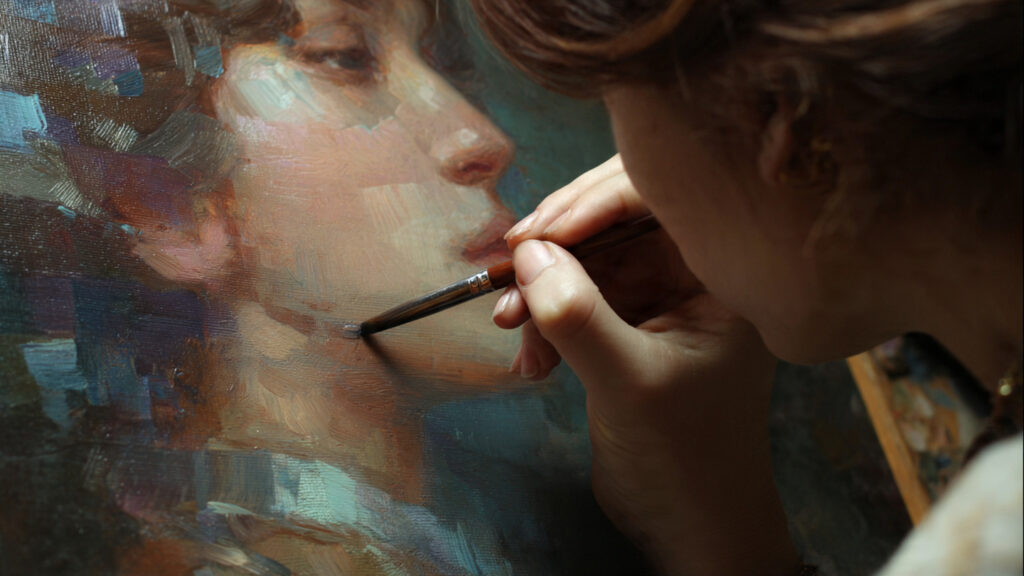
Glazing is a classical oil painting technique that involves applying thin, transparent layers of paint over a completely dry surface. Each glaze subtly modifies the color beneath it, creating depth, richness, and luminosity that cannot be achieved with opaque blending alone. Artists mix paint with a glazing medium to increase transparency and flow.
This technique is widely used in realistic portraiture, still life, and classical paintings. Glazing allows artists to build complex shadows, glowing skin tones, and atmospheric lighting gradually. Because each layer must dry before applying the next, glazing requires patience and planning. The reward is a refined, luminous finish that enhances realism and visual harmony.
7. Softening Edges with a Clean Brush
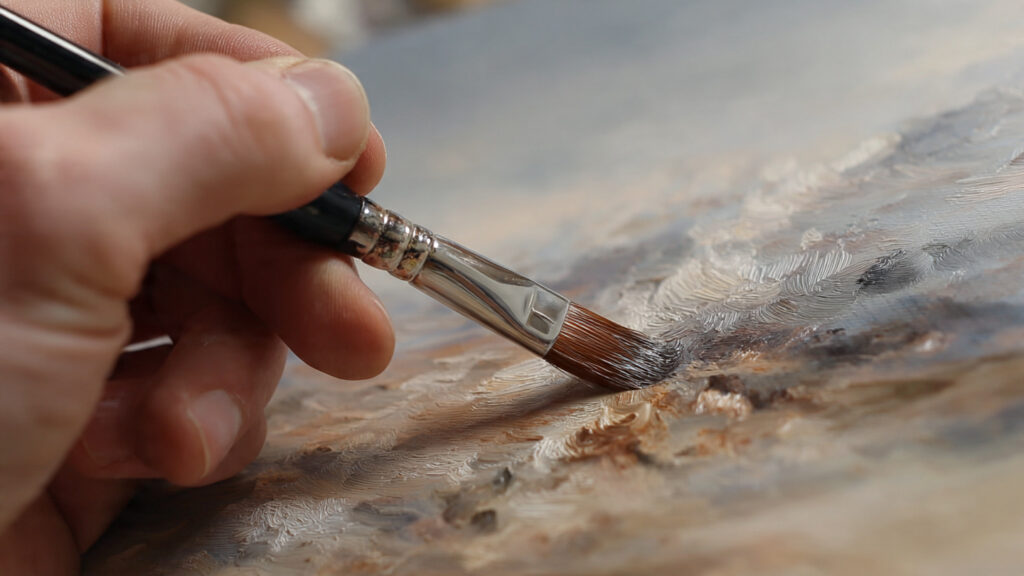
Edge softening is a subtle yet essential blending technique that enhances realism and depth. Instead of mixing colors directly, artists use a clean, dry, soft brush to gently blur the edges where two colors meet. This creates natural transitions without disturbing the underlying paint structure.
This technique is often used to control focal points in a painting. Sharp edges attract attention, while soft edges recede. By selectively softening edges, artists guide the viewer’s eye and create a sense of spatial depth. Edge softening is particularly effective in portrait backgrounds, distant landscapes, and shadow areas.
8. Palette Knife Blending
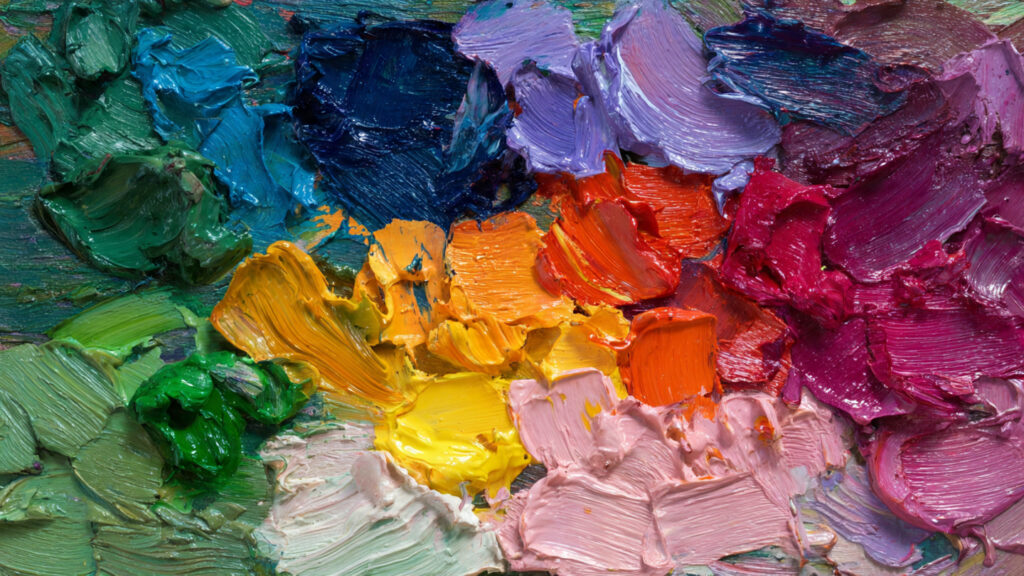
Palette knife blending introduces bold texture and expressive movement into oil paintings. Instead of brushing paint, artists use the flat or edge of a palette knife to drag, press, or scrape paint across the canvas. Colors blend directly on the surface, creating dynamic transitions and thick impasto effects.
This technique is popular in modern, abstract, and impressionistic painting styles. Palette knife blending adds energy and visual drama, making it ideal for landscapes, cityscapes, and expressive compositions. Because knives do not absorb paint like brushes, colors remain vibrant and bold, preserving their intensity.
9. Cross-Hatching Blending
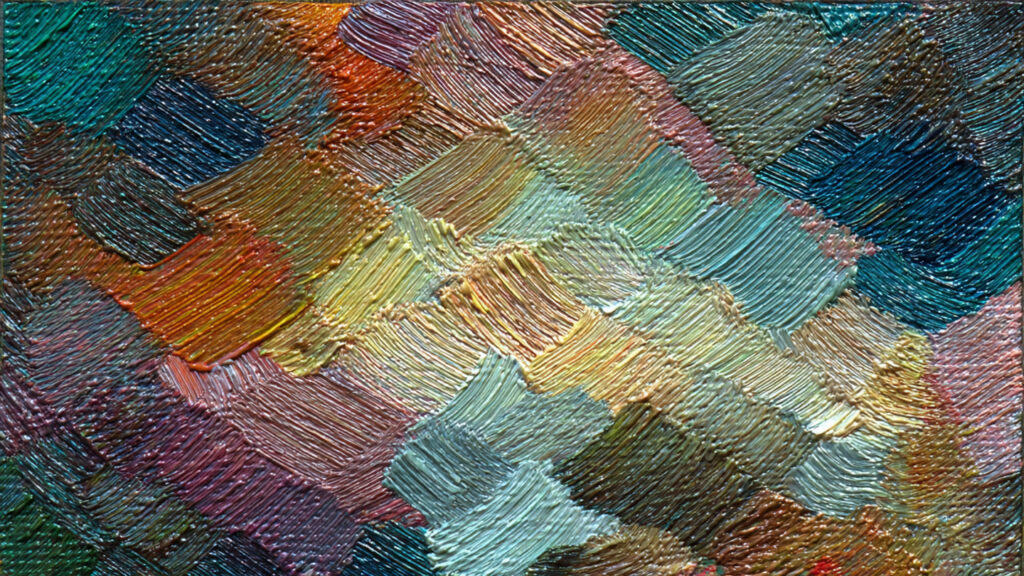
Cross-hatching blending relies on layered directional strokes to visually merge colors. Instead of smoothing paint, artists apply overlapping strokes in different directions, allowing the viewer’s eye to blend the colors from a distance. This technique adds texture, rhythm, and movement to the painting.
Cross-hatching is effective for clothing, backgrounds, and expressive figurative art. It maintains energy and avoids overly polished surfaces. Artists often combine cross-hatching with other blending methods to balance texture and smoothness within a composition.
10. Blending with Mediums
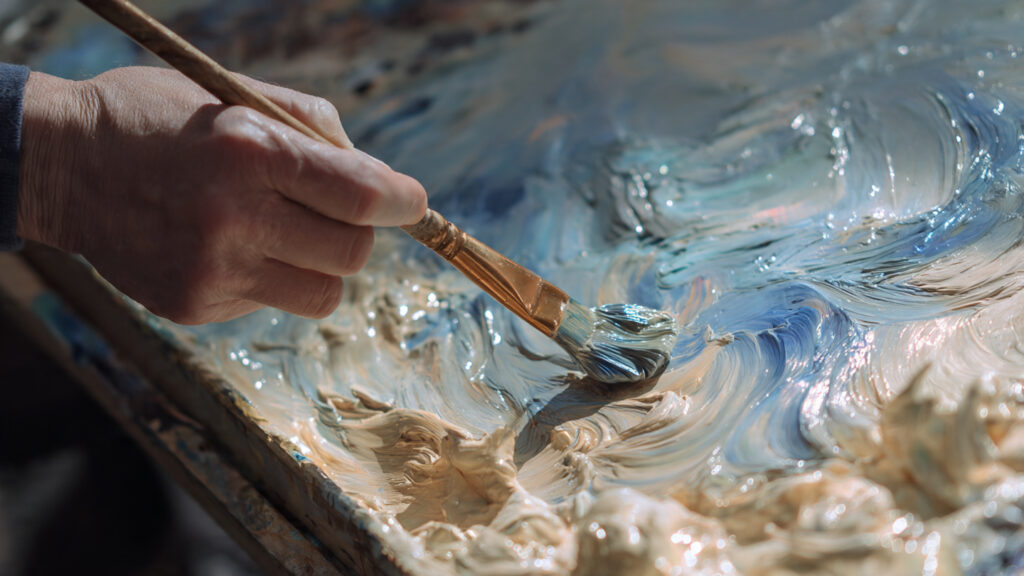
Oil painting mediums play a crucial role in enhancing blending capabilities. Media such as linseed oil, walnut oil, and liquin increase paint flow, extend working time, and improve smoothness. By adding a small amount of medium, artists can achieve effortless transitions and softer gradients.
However, excessive use of mediums can weaken paint layers and cause long-term issues. The key is moderation and understanding the properties of each medium. When used correctly, mediums elevate blending quality while preserving color vibrancy and structural integrity.
11. Layered Blending Technique
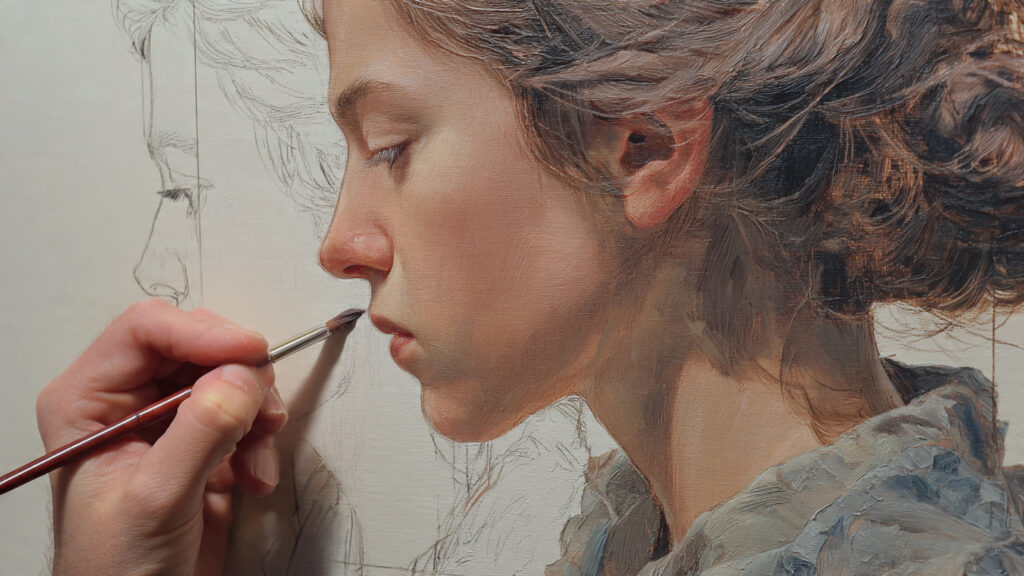
Layered blending is a comprehensive approach that combines multiple techniques over time. Artists begin with an underpainting to establish values and composition, followed by successive layers of blended paint. Each layer adds depth, refinement, and correction opportunities.
This technique is commonly used in classical realism and detailed portraiture. Layered blending allows artists to build complexity gradually, achieving lifelike textures and harmonious color relationships. It demands patience but results in highly polished, professional-quality artwork.
Conclusion
Blending techniques in oil painting are more than just technical skills—they are tools for expression, mood, and storytelling. Each blending method offers unique visual effects, from soft and subtle transitions to bold and textured statements. By experimenting with different techniques and understanding when to use each one, artists can unlock new creative possibilities and develop a distinctive painting style. Whether you prefer traditional realism or expressive abstraction, mastering oil paint blending will enhance your confidence and artistic voice.