13 Simple Drawing Ideas Anyone Can Try Today
Drawing is one of the most relaxing and rewarding creative activities, yet many people hesitate to start because they believe they need advanced skills or expensive tools. The truth is, simple drawing ideas can unlock creativity for beginners, students, hobby artists, and even experienced creatives looking for stress-free practice. Whether you’re sketching for fun, improving hand control, or exploring art as a form of mindfulness, easy drawing ideas help you build confidence without pressure. In this detailed guide, we explore 21 simple drawing ideas that are fun, accessible, and visually satisfying. Each idea includes inspiration, creative tips, and image prompts to help you visualize and bring your drawings to life effortlessly.
21 Simple Drawing Ideas for Beginners
1. Cute Doodle Faces
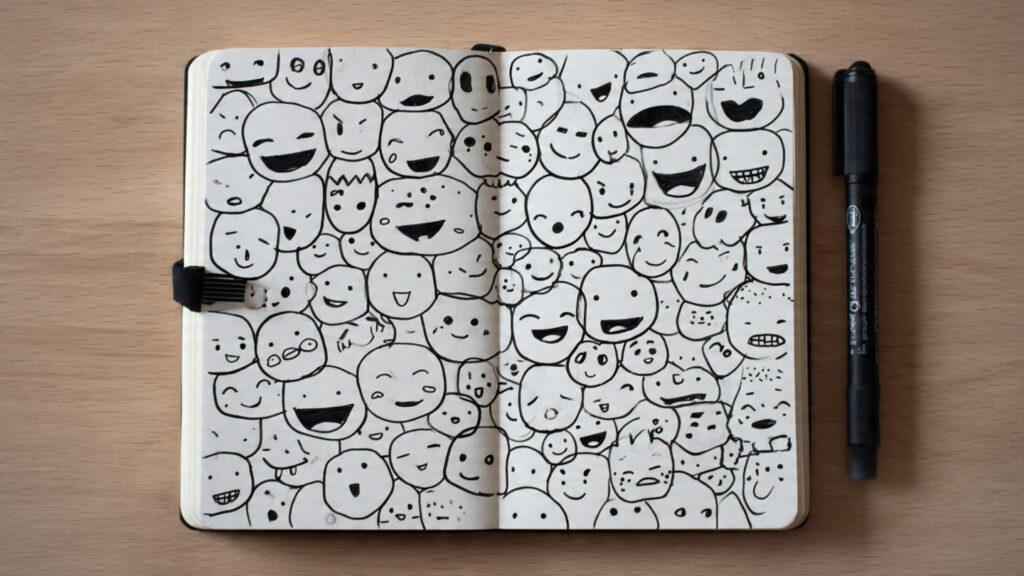
Cute doodle faces are one of the simplest yet most expressive drawing styles, making them ideal for beginners and casual artists. This style focuses on minimal shapes such as circles, dots, short lines, and soft curves to create playful facial expressions. Artists can easily experiment with different emotions like happiness, sadness, confusion, or excitement by changing the position of the eyes and mouths. Because doodle faces do not require realistic proportions, they remove creative pressure and encourage free expression. These drawings work perfectly in sketchbooks, bullet journals, notebooks, and even digital planners, making them a versatile and confidence-boosting starting point for anyone new to drawing.
2. Simple Flower Sketches
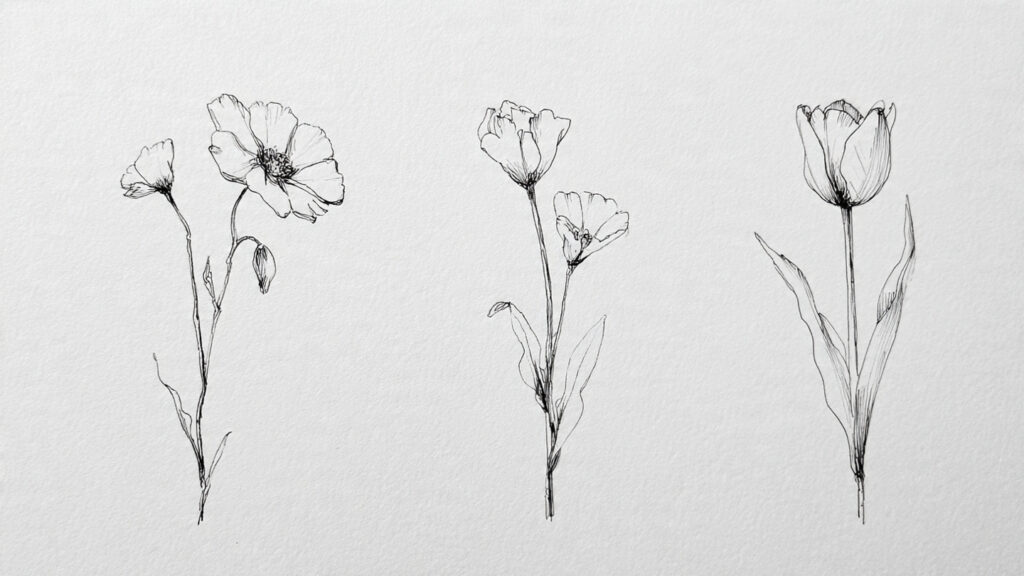
Simple flower sketches are a timeless drawing style that helps beginners understand natural shapes and gentle line flow. Flowers like daisies, roses, and tulips can be drawn using basic curves and circular forms, allowing artists to focus on structure rather than complex detail. This style is perfect for practicing line control and light shading while maintaining a relaxed, creative process. Flower sketches can be kept minimal for a clean aesthetic or slightly detailed with petals and leaves for added charm. These drawings are widely used in greeting cards, wall art, journals, and art therapy exercises due to their calming and positive visual appeal.
3. Clouds and Sky Patterns

Drawing clouds and sky patterns is an excellent way to explore soft forms and freehand creativity. Since clouds have no fixed structure, artists can experiment without fear of making mistakes. This style often includes fluffy cloud shapes, curved lines, and light shading to create depth. Sky drawings may also feature simple suns, birds, or gentle gradients to enhance visual interest. Cloud and sky art is especially popular for relaxation drawing sessions and aesthetic sketchbook spreads, as it promotes mindfulness and creative freedom.
4. Cartoon Animals
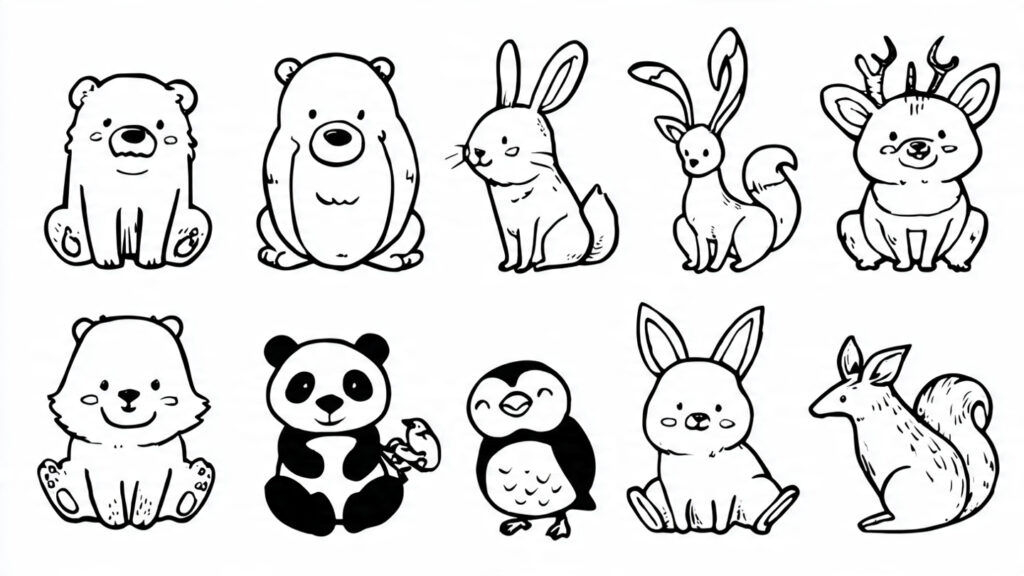
Cartoon animal drawings simplify real-life animals into cute, approachable characters using exaggerated features. Large eyes, rounded bodies, and small limbs help create a friendly and playful appearance. This style allows beginners to learn proportions without focusing on realism, making it enjoyable and forgiving. Cartoon animals are widely used in children’s books, stickers, social media illustrations, and handmade crafts. Drawing animals in cartoon form also helps artists develop storytelling skills by giving each character a unique personality.
5. Leaves and Botanical Shapes
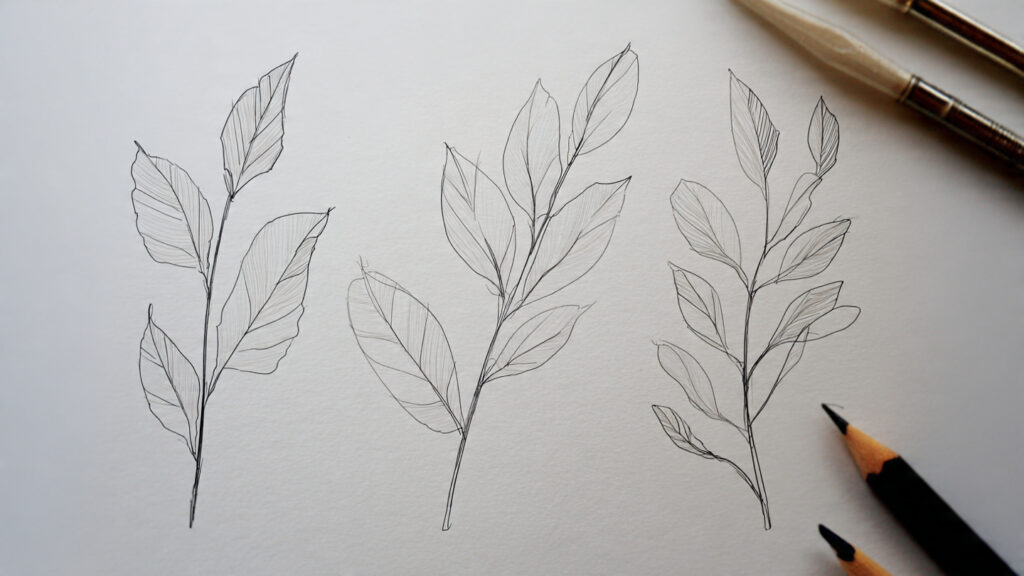
Leaf and botanical drawings focus on repetition, symmetry, and natural patterns, making them ideal for beginner practice. Simple leaf outlines with visible veins help artists improve hand control and observation skills. This style connects art with nature and works beautifully in minimal, line-art, or decorative formats. Botanical sketches are often used in journals, wall prints, and textile designs. Because leaves come in countless shapes and sizes, this drawing idea offers endless variety while remaining easy to execute.
6. Everyday Objects
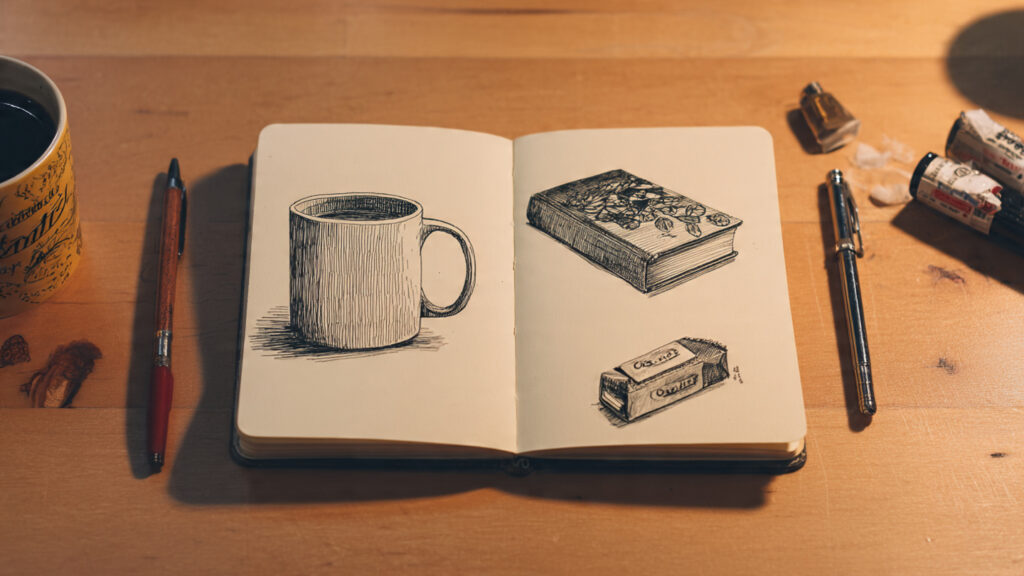
Drawing everyday objects trains the eye to observe common items from an artistic perspective. Objects like cups, books, glasses, and stationery can be broken down into simple geometric forms, making them easy for beginners to sketch. This drawing style helps develop an understanding of form, proportion, and perspective without overwhelming detail. Everyday object sketches are perfect for daily drawing challenges and are commonly used in product illustrations and design studies.
7. Simple Landscapes
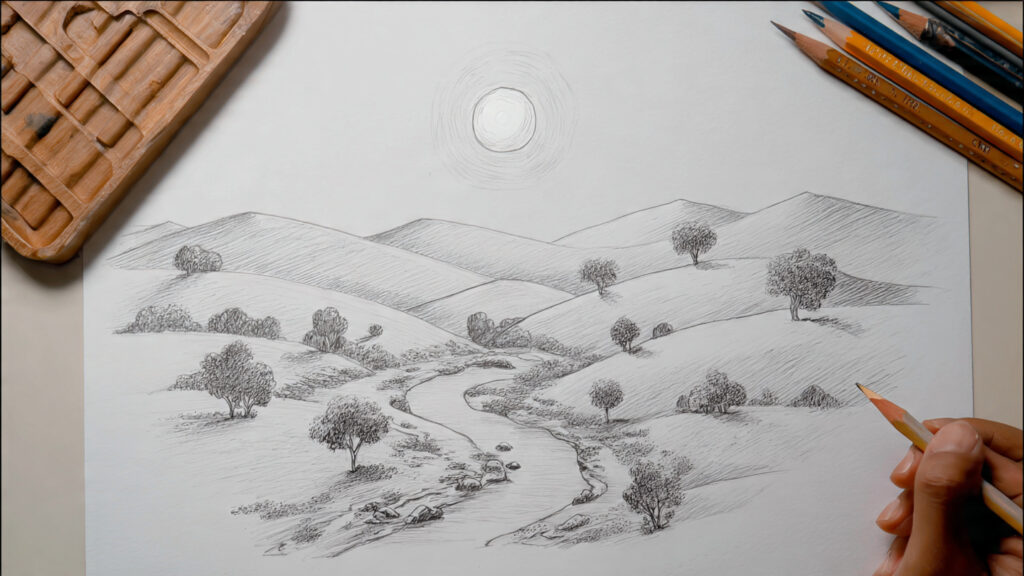
Simple landscape drawings focus on building scenic views using basic shapes and layered elements. Artists can sketch hills, trees, rivers, and suns with soft lines and minimal detail, which makes this style highly approachable for beginners. By arranging these elements thoughtfully, artists learn to balance composition and create a sense of depth without relying on complex techniques. This style encourages creative freedom, allowing you to add personal touches like a tiny house on a hill or whimsical clouds in the sky. Drawing simple landscapes also promotes relaxation and mindfulness, as the repetitive motion of sketching natural forms can reduce stress.
8. Cute Food Drawings
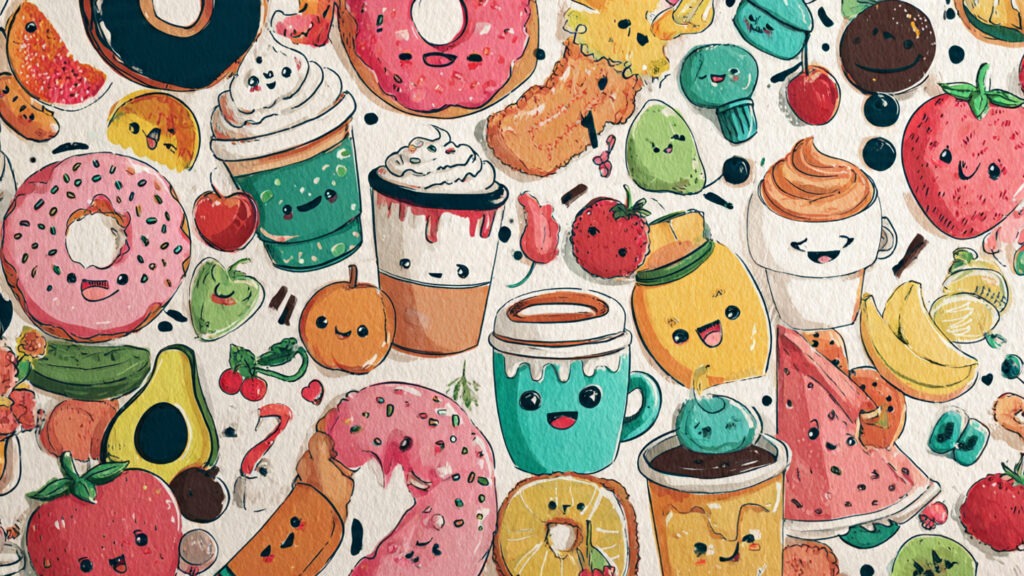
Cute food drawings transform everyday snacks into playful and charming illustrations by giving them expressive faces and personalities. Artists can turn items like donuts, ice cream cones, fruits, cupcakes, and coffee cups into lively characters using simple shapes, bold outlines, and minimal details. By adding eyes, smiles, or quirky expressions, each piece becomes visually engaging and instantly relatable. This style thrives on Pinterest and social media because it merges creativity with fun, approachable designs that appeal to all ages. Beginners can easily experiment with these food doodles, making them perfect for stickers, planner decorations, digital illustrations, greeting cards, and even small DIY art projects. Beyond their visual appeal, cute food drawings also encourage imaginative storytelling, allowing artists to create themed sets, food “families,” or mini scenes that entertain and inspire viewers.
9. Houses and Small Buildings
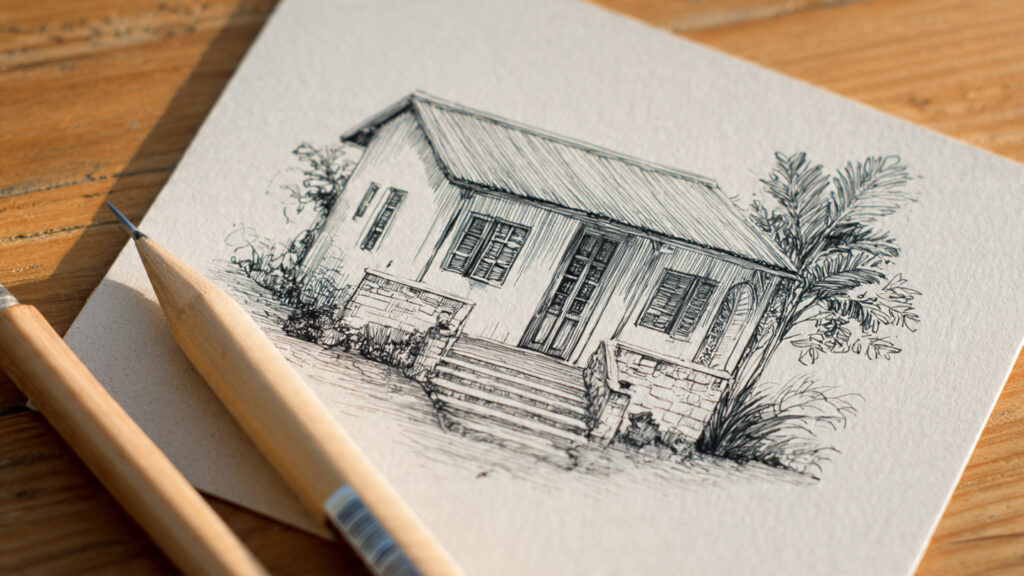
Drawing simple houses helps beginners actively understand basic structure, balance, and composition in art. Artists use clear geometric shapes such as squares, rectangles, and triangles to build charming homes that feel organized and visually appealing. By adding small details like windows, doors, chimneys, and rooftops, beginners can personalize each house while practicing clean line work. This drawing style allows artists to explore perspective in an easy and approachable way without the pressure of complex architectural accuracy. Simple house drawings frequently appear in children’s illustrations, coloring books, story scenes, and cozy art themes, making them a popular and comforting subject for both learning and creative expression.
10. Hearts and Love Symbols
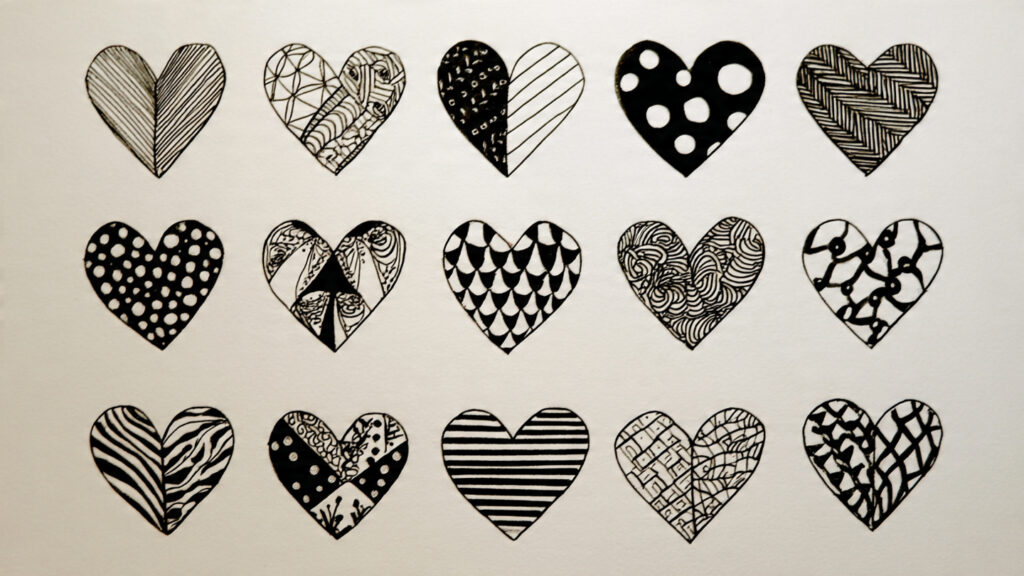
Heart drawings offer an easy and highly versatile way to express emotions through art. Artists actively explore a wide range of heart styles by experimenting with outlines, patterns, shading, and decorative details such as flowers, ribbons, or symbols. This drawing style works especially well for greeting cards, personal journals, planners, and creative lettering projects because it instantly communicates feelings of love, care, and positivity. Beginners enjoy drawing hearts because the simple shape builds confidence and encourages creativity without technical pressure. With endless customization options, heart drawings allow artists to create unique designs that feel personal, meaningful, and visually appealing.
11. Butterflies
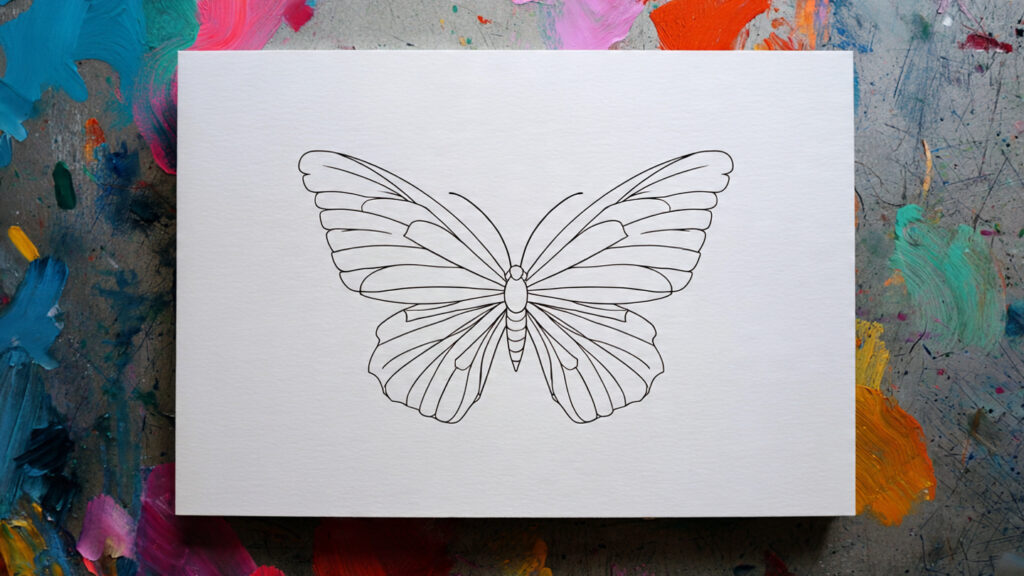
Butterfly drawings bring together symmetry and creativity, making them especially enjoyable and beginner-friendly. Artists start by sketching simple wing shapes, which helps them understand balance and proportion with ease. As confidence grows, they actively enhance the wings by adding decorative patterns, lines, and small details that make each butterfly unique. This drawing style encourages experimentation with shapes and designs while keeping the process relaxed and fun. Because butterflies represent transformation, growth, and beauty, artists often use butterfly drawings in decorative artwork, sketchbooks, and therapeutic art activities to express creativity and emotional calm.
12. Cute Chibi Characters
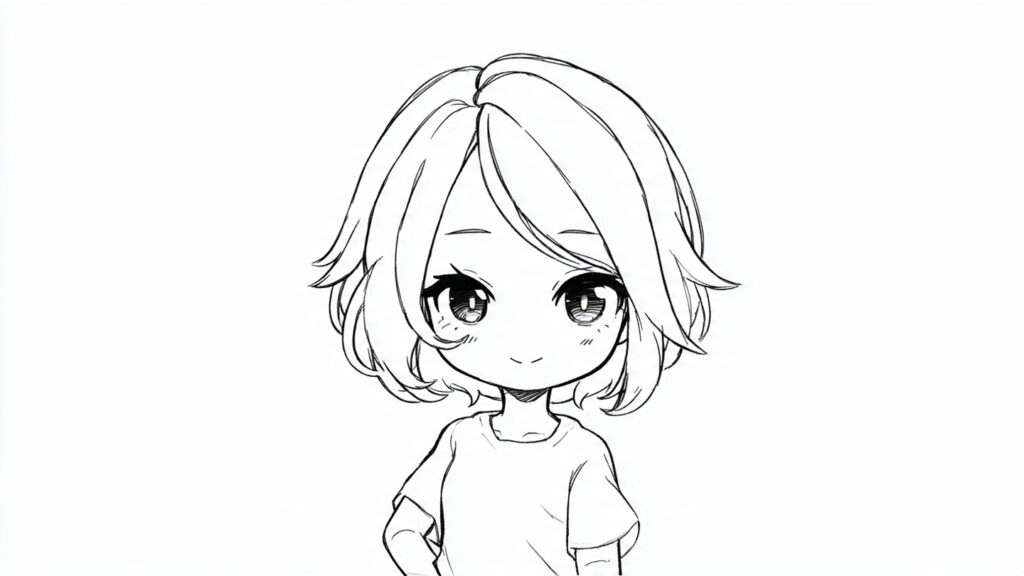
Chibi characters transform human figures into adorable, stylized forms by using oversized heads and small, simplified bodies. Artists deliberately exaggerate facial expressions and proportions to create cute and emotionally expressive characters with minimal effort. This drawing style works perfectly for beginners who want to explore character design or anime-inspired art without worrying about realistic anatomy. Chibi drawings allow artists to focus on creativity, personality, and storytelling rather than technical detail. Many creators use chibi illustrations in stickers, comics, digital art, and social media graphics because they are visually appealing, easy to customize, and instantly engaging.
13. Trees and Plants
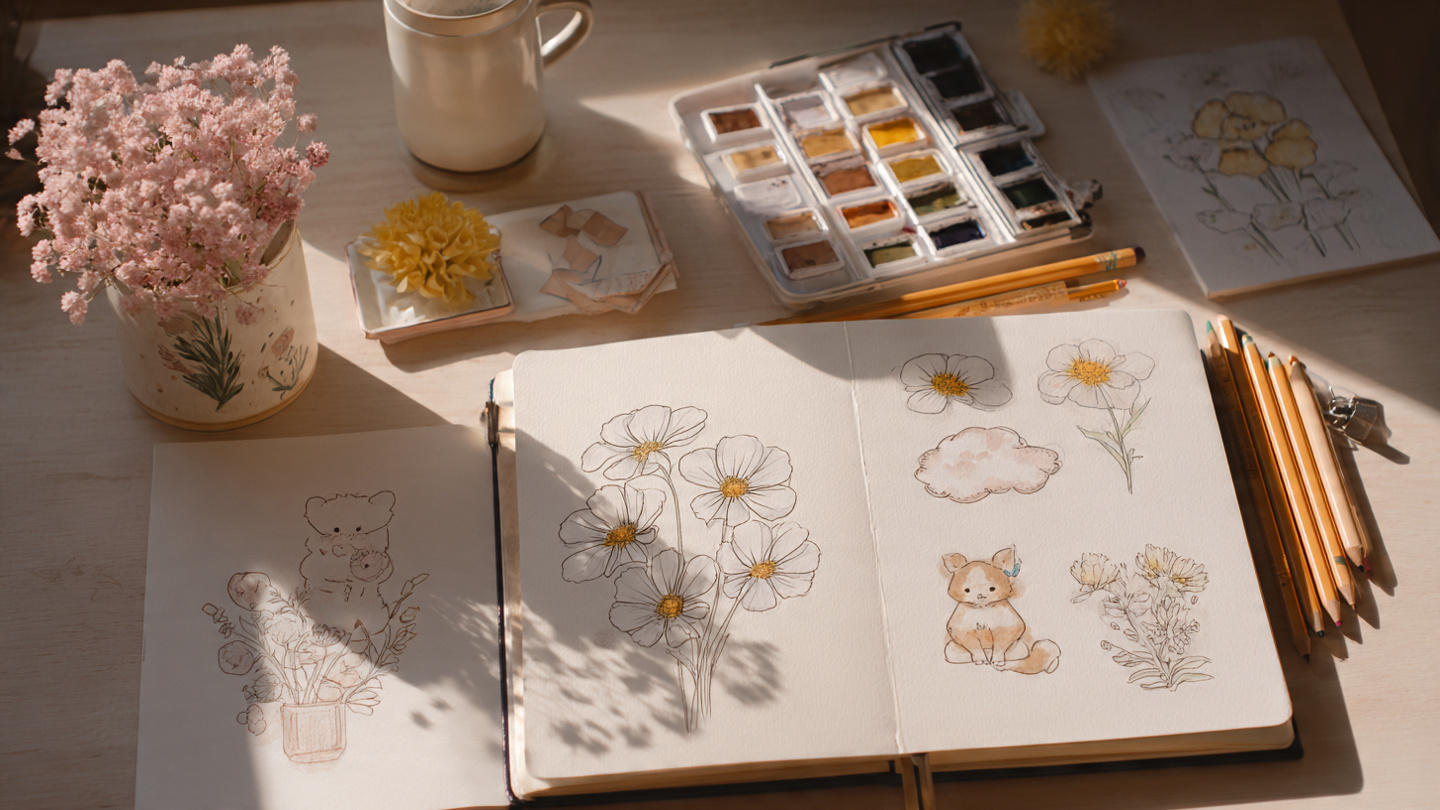
Tree drawings create visually appealing artwork while remaining simple and beginner-friendly. Artists use rounded foliage and straight or gently curved trunks to practice natural forms without adding unnecessary complexity. This drawing style helps beginners understand basic structure, balance, and organic shapes in nature. Many artists include simple tree sketches in landscapes, sketchbooks, and nature journals because they are calming and easy to personalize. By adjusting the size, shape, and texture of leaves and branches, artists can creatively interpret plants and develop their own unique drawing style with confidence.