Islamic Calligraphy on Canvas: Art, Tips & Inspiration
Islamic calligraphy is more than just writing; it is an art form that conveys spirituality, history, and culture through beautifully crafted letters and designs. Transforming this timeless art onto canvas adds depth and elegance to any space, making it a unique addition to home décor or personal collections. From classic Kufic and Thuluth scripts to modern interpretations, Islamic calligraphy on canvas allows artists to explore creativity while preserving centuries-old traditions. In this guide, we explore techniques, ideas, and inspiration for creating stunning Islamic calligraphic artworks that will elevate your art skills and leave a lasting impression.
Introduction to Islamic Calligraphy
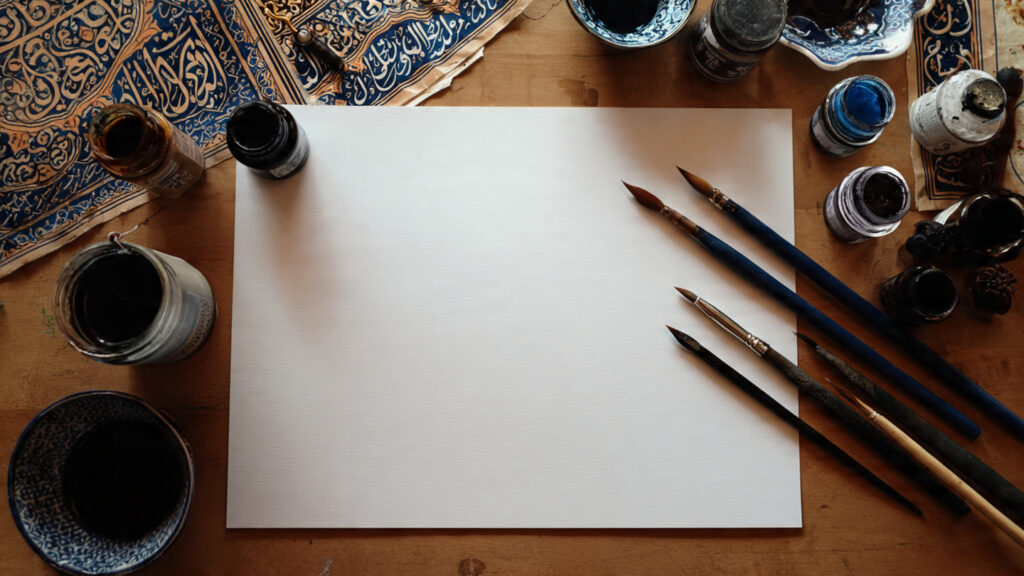
Islamic calligraphy is one of the most revered art forms in Islamic culture, representing the beauty of language and faith in visual form. Unlike conventional writing, calligraphy emphasizes rhythm, proportion, and harmony, turning letters into decorative forms that convey meaning beyond words. Historically, Islamic calligraphy has adorned everything from Qur’anic manuscripts to architectural masterpieces, serving both aesthetic and spiritual purposes. Today, artists are bringing this centuries-old tradition to canvas, where they can explore color, texture, and composition in ways that weren’t possible on paper or stone. The process of painting calligraphy on canvas allows for experimentation, creativity, and personalization, bridging the past with modern art styles.
Why Canvas Is Perfect for Islamic Calligraphy
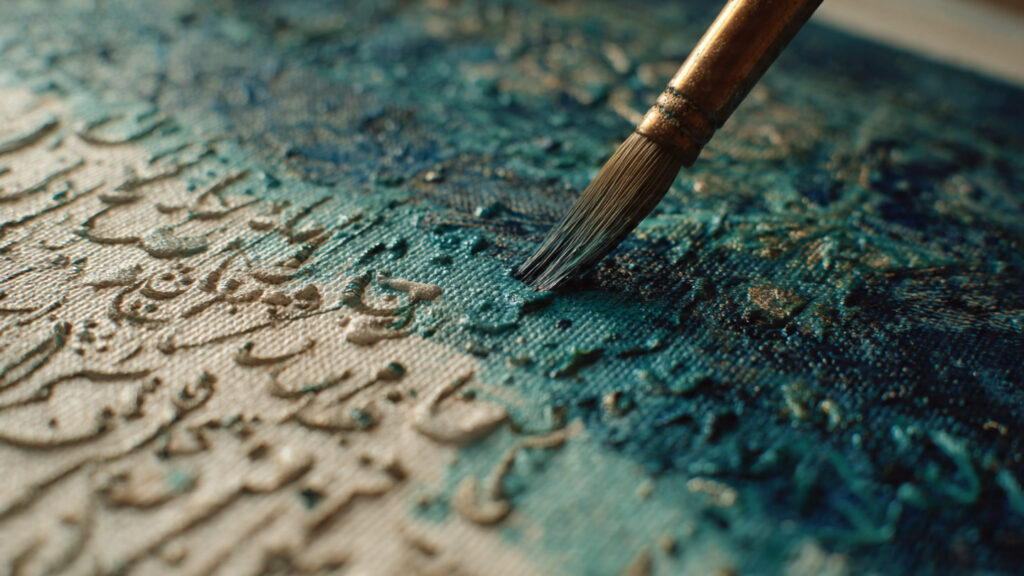
Canvas is a versatile medium that enhances the beauty of calligraphy in ways other surfaces cannot. Its textured surface allows for layering, giving depth to strokes and enhancing the visual impact of the letters. Unlike paper, canvas is durable and allows the use of multiple media like acrylics, gold leaf, or even mixed materials. Artists can create subtle gradients, add background textures, or experiment with 3D effects without worrying about damage. For Islamic calligraphy, the canvas acts as a stage where each letter becomes a visual element, interacting with color, texture, and space. This freedom enables artists to move beyond traditional forms and incorporate contemporary aesthetics, creating timeless pieces suitable for both personal collections and home décor.
Popular Scripts for Canvas Art
1. Kufic Script

Kufic is one of the oldest Arabic scripts, characterized by its angular and geometric shapes. Its clean lines and sharp angles make it ideal for modern and abstract compositions. On canvas, Kufic script stands out boldly, especially when painted with contrasting colors like black on white or gold on deep blue. The script’s symmetry allows for creative repetition, patterns, and even tessellation, making it suitable for large-scale wall art. Many contemporary artists use Kufic to merge modern minimalism with traditional heritage, producing pieces that are both elegant and thought-provoking.
2. Thuluth Script
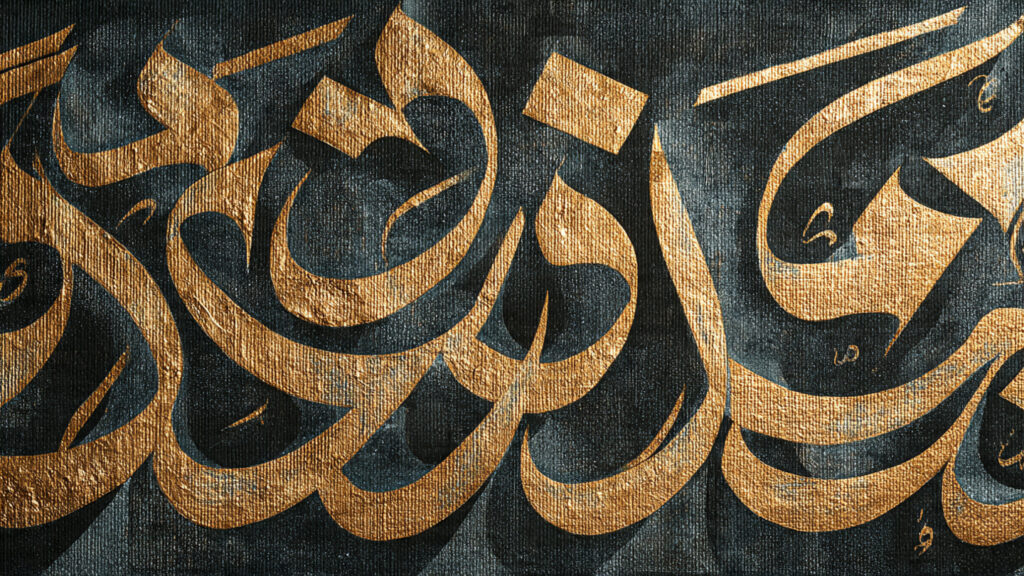
Thuluth script is renowned for its grandeur and flowing curves. Its elongated letters and intricate flourishes create a sense of movement and elegance. This script is often used to write Quranic verses, poetry, or inspirational phrases, making it perfect for statement pieces in homes, offices, or spiritual spaces. On canvas, Thuluth allows artists to experiment with layering and depth, giving letters a dynamic presence. Metallic paints, gradient backgrounds, or soft shadows can enhance the three-dimensional appearance of this script, making each piece feel alive and luxurious.
3. Diwani Script
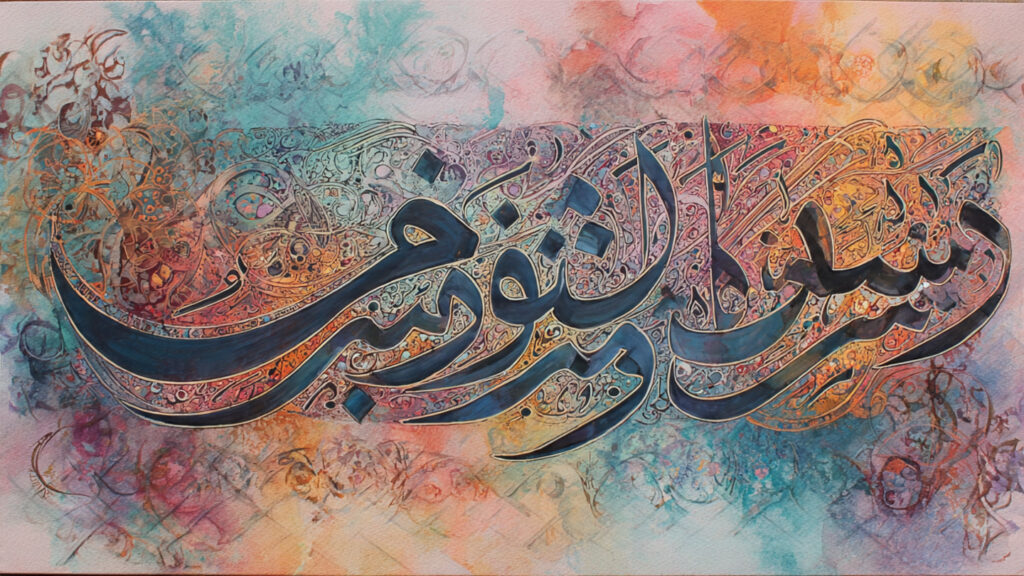
Diwani is a highly decorative and fluid script, popular for its ornamental qualities. It is ideal for smaller canvases or pieces intended for intricate details. Diwani allows for artistic creativity, as the letters can be connected with flourishes, loops, and swirls, forming complex compositions. Its elegance makes it perfect for gifts, home décor, or gallery pieces. On canvas, Diwani can be combined with bright watercolor backgrounds, textures, or patterns to create vibrant, captivating art that draws viewers’ attention.
4. Naskh Script
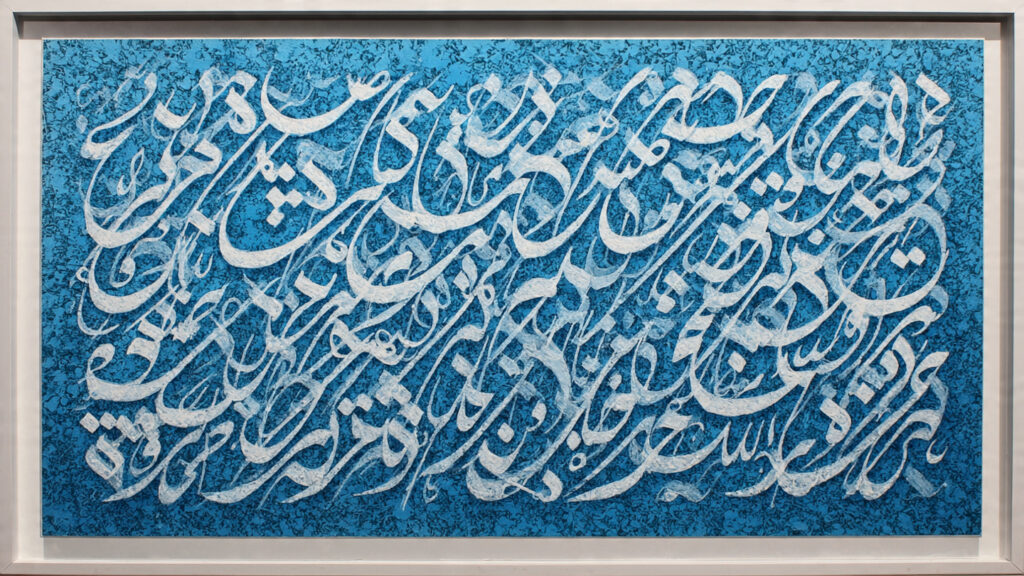
Naskh is one of the most readable and widely used scripts in Arabic calligraphy. It is perfect for beginners because its clean, flowing letters are easier to master. On canvas, Naskh script allows artists to focus on composition, color, and texture without worrying about overly complex shapes. Its simplicity makes it versatile for both large statement canvases and smaller accent pieces. Combining Naskh with textured backgrounds or soft gradients creates a serene, calming effect suitable for bedrooms, meditation spaces, or libraries.
Techniques for Islamic Calligraphy on Canvas
1. Traditional Ink and Brush

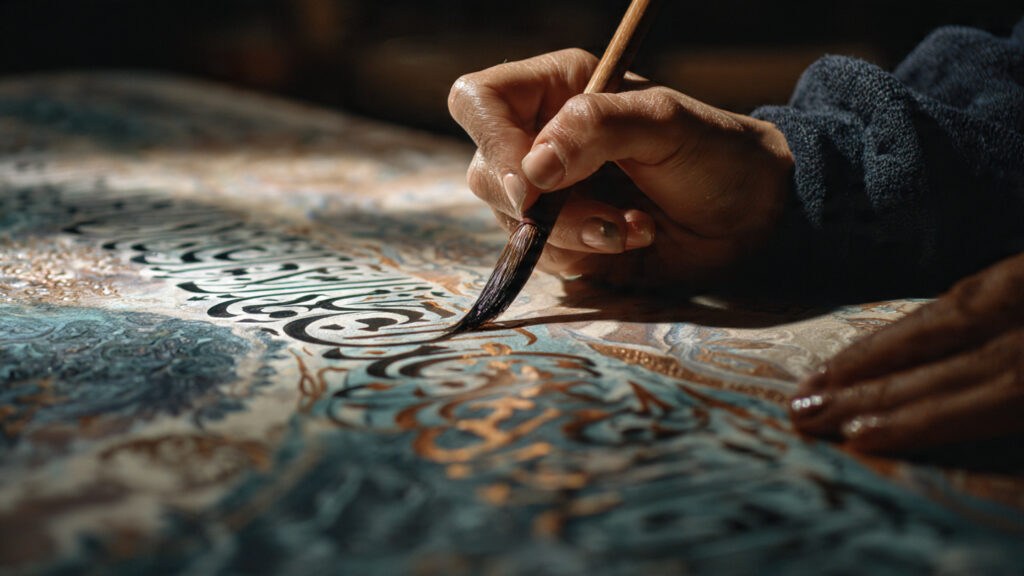
Traditional calligraphy tools, such as bamboo pens or soft brushes, allow for precision and authenticity. This technique emphasizes controlled movements, ensuring that each stroke flows harmoniously into the next. Artists can achieve bold or delicate lines depending on brush pressure and angle. On canvas, this method provides a tactile experience, as the ink interacts with the texture of the surface, creating subtle variations and depth that are impossible on paper.
2. Acrylic Painting
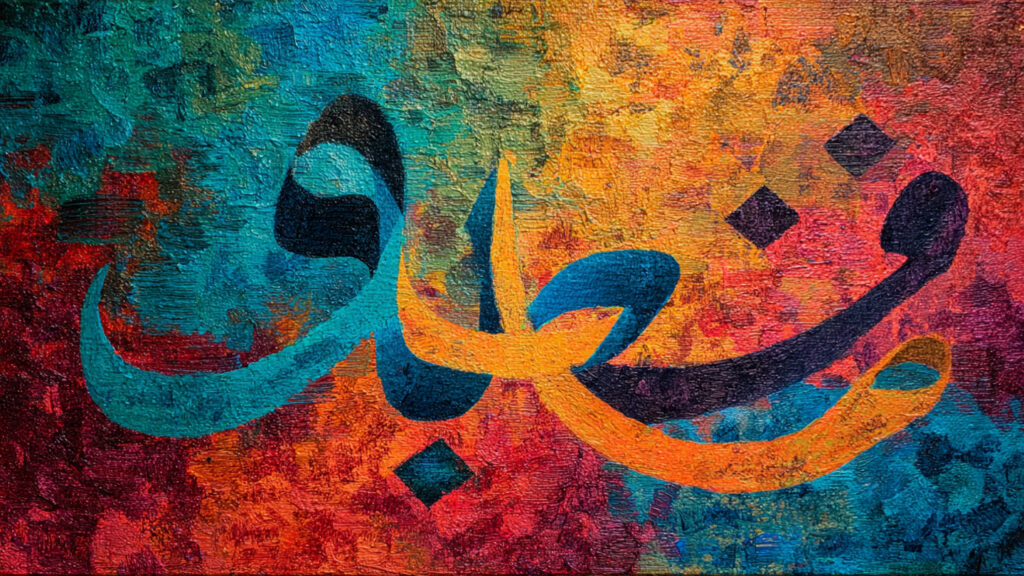
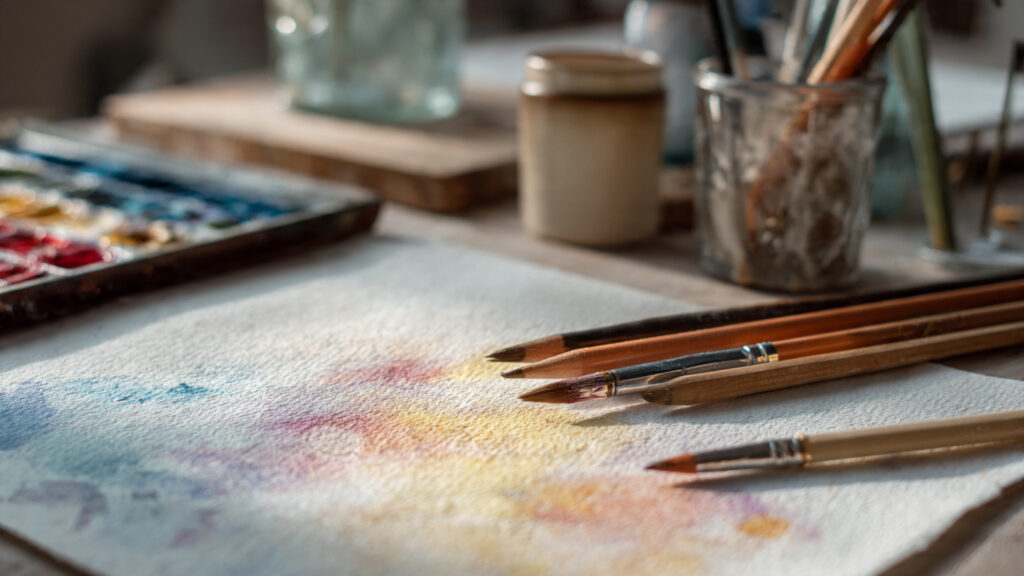
Acrylic paints offer flexibility and vibrancy, allowing artists to explore a wide range of colors and textures. Acrylics dry quickly, making it easier to layer colors or correct mistakes. For Islamic calligraphy, acrylics can create bold statements or soft, gradient transitions. Metallic and pearlescent acrylics enhance the visual appeal of letters, giving them a modern, luxurious look on canvas. This medium is perfect for contemporary artists blending traditional calligraphy with abstract backgrounds.
3. Gold Leaf and Embellishments
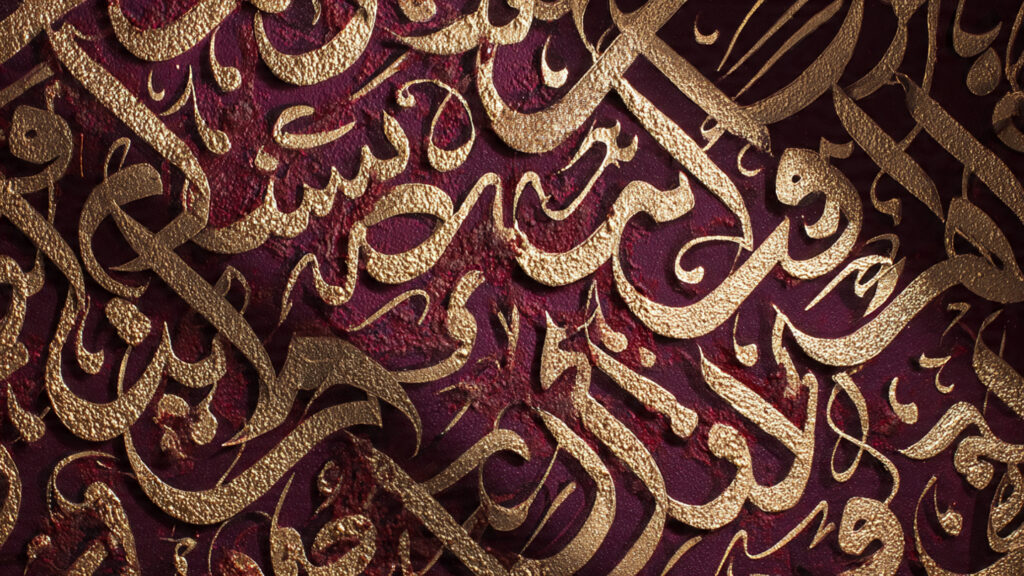
Gold leafing adds a luxurious and timeless touch to calligraphy pieces. On canvas, gold contrasts beautifully against dark or richly colored backgrounds, giving the letters a shimmering effect. Artists often combine gold leaf with traditional or modern scripts to create gallery-ready pieces that command attention. Embellishments like beads, textured paste, or metallic powders can enhance dimensionality, transforming a simple canvas into a statement artwork.
4. Mixed Media Art
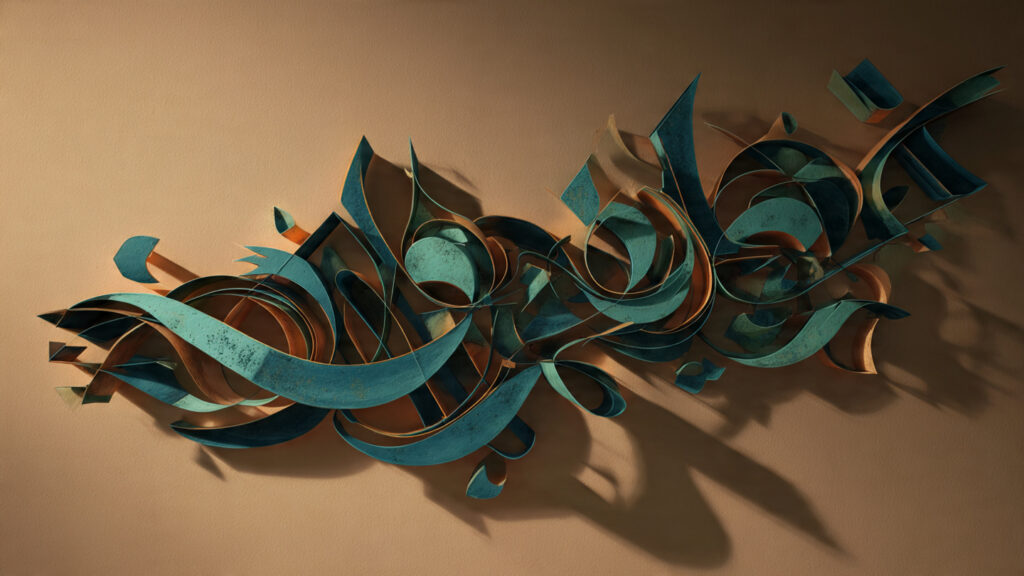
Mixed media allows artists to combine paints, inks, fabric, and textured materials to create unique three-dimensional calligraphy. Layers of paper, canvas, or other surfaces can add depth and shadow, making the artwork interactive and tactile. This technique is ideal for experimental artists who want to push traditional boundaries while preserving the essence of Islamic calligraphy. Canvas provides a sturdy base for mixed media art, ensuring longevity while allowing for creative freedom.
DIY Tips for Beginners

Creating Islamic calligraphy on canvas can be intimidating at first, but with the right approach, beginners can produce beautiful pieces. Start with pencil sketches to plan letters and spacing. Use grid lines for accuracy, especially in geometric scripts like Kufic. Choose brushes appropriate for the size of the letters—thin brushes for small details, wide brushes for bold strokes. Experiment with different media such as ink, acrylics, or metallic paints to find a style that resonates. Finally, don’t shy away from blending traditional scripts with abstract or contemporary backgrounds; this fusion often yields stunning and unique results.
Incorporating Islamic Calligraphy into Home Décor
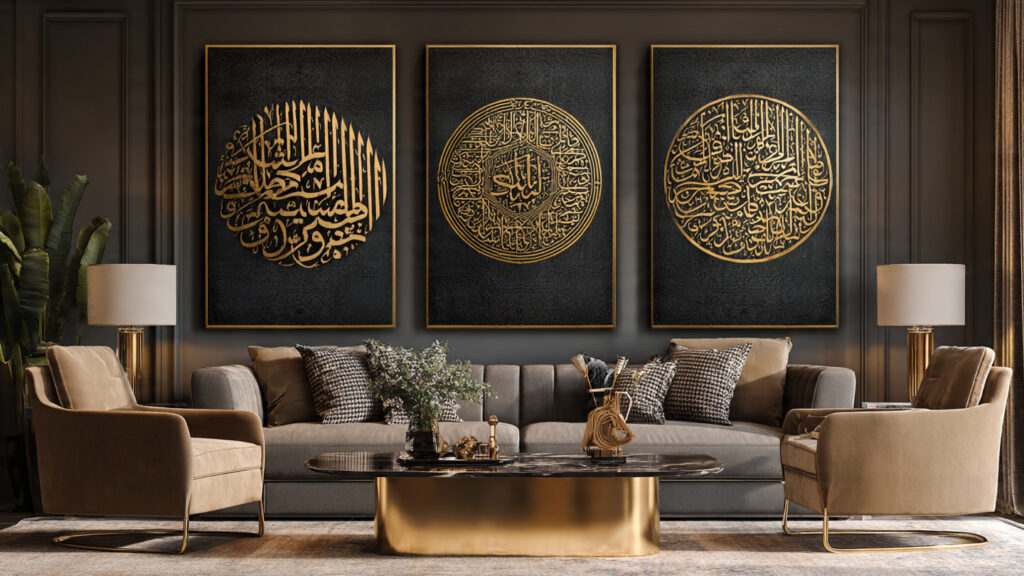
Islamic calligraphy can transform a home into a space of beauty and inspiration. Large canvases with bold scripts can serve as statement pieces in living rooms, while smaller canvases add elegance to bedrooms, study rooms, or hallways. Combining calligraphy with minimalist frames or natural wood enhances the aesthetic without overpowering the space. Color coordination is crucial; dark, bold letters on light backgrounds create contrast, while metallic scripts add sophistication. Layering canvases of different sizes and styles can create a gallery wall that becomes a focal point, seamlessly blending tradition with modern interior design.
Caring for Your Calligraphy Canvas
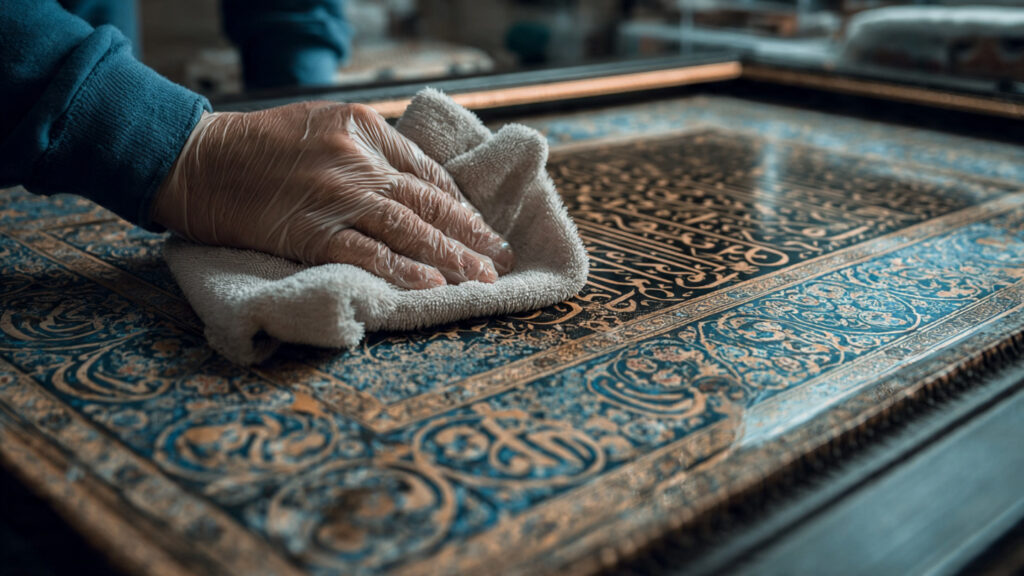
Preserving the beauty of Islamic calligraphy on canvas requires care. Avoid exposure to direct sunlight, which can fade colors over time. Dust the canvas gently with a soft brush or microfiber cloth to maintain vibrancy. If acrylics were used, applying a protective varnish can prevent cracking or fading. Framing with UV-protective glass adds durability, particularly for gold leaf or metallic paints. With proper care, canvas calligraphy can last for decades, allowing future generations to admire its beauty and craftsmanship.
Conclusion
Islamic calligraphy on canvas is a perfect blend of tradition, artistry, and modern creativity. From the geometric elegance of Kufic to the flowing curves of Thuluth, each script offers unique opportunities to express spirituality and artistic vision. Canvas as a medium provides versatility, texture, and longevity, allowing artists to experiment and innovate while preserving centuries-old techniques. By exploring different scripts, techniques, and color palettes, anyone can create stunning calligraphy pieces that elevate spaces and inspire admiration. This timeless art form not only enhances home décor but also preserves cultural heritage, connecting modern viewers with centuries of Islamic artistic tradition.