15 Linocut Art Techniques Every Printmaker Should Try
Linocut art is a powerful and expressive form of relief printmaking that allows artists to create bold, textured, and visually striking prints by hand. In this comprehensive guide, you will explore 15 essential linocut art techniques that every printmaker should try, from beginner-friendly single-color prints to advanced multi-layer and experimental styles. Each technique is explained in active voice with practical details, creative insights, and artistic purpose, helping you understand not just how the technique works, but why it matters. Whether you are new to linocut or looking to refine your printmaking skills, this article will inspire you to carve with confidence and print with intention.
Introduction to Linocut Art
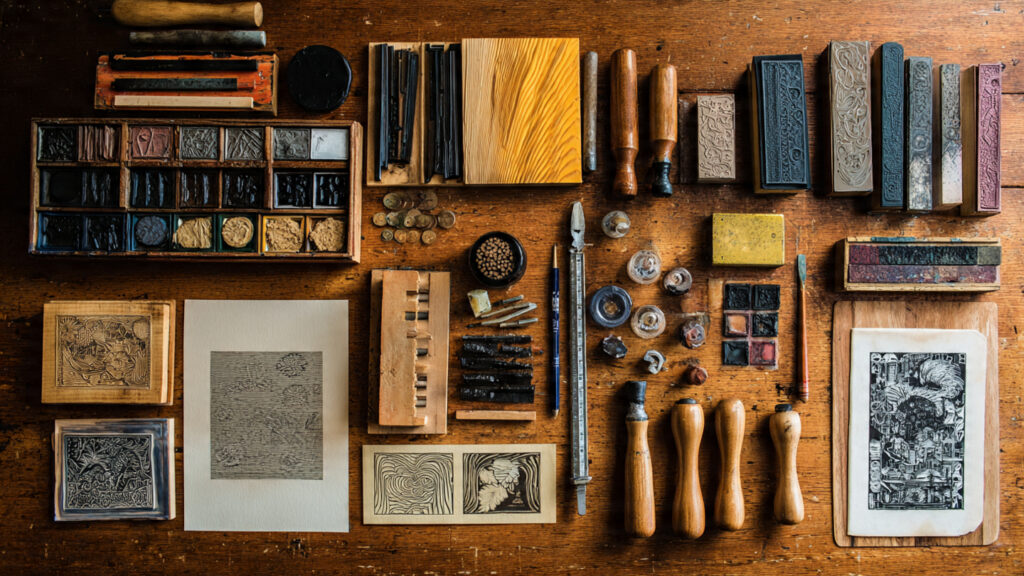
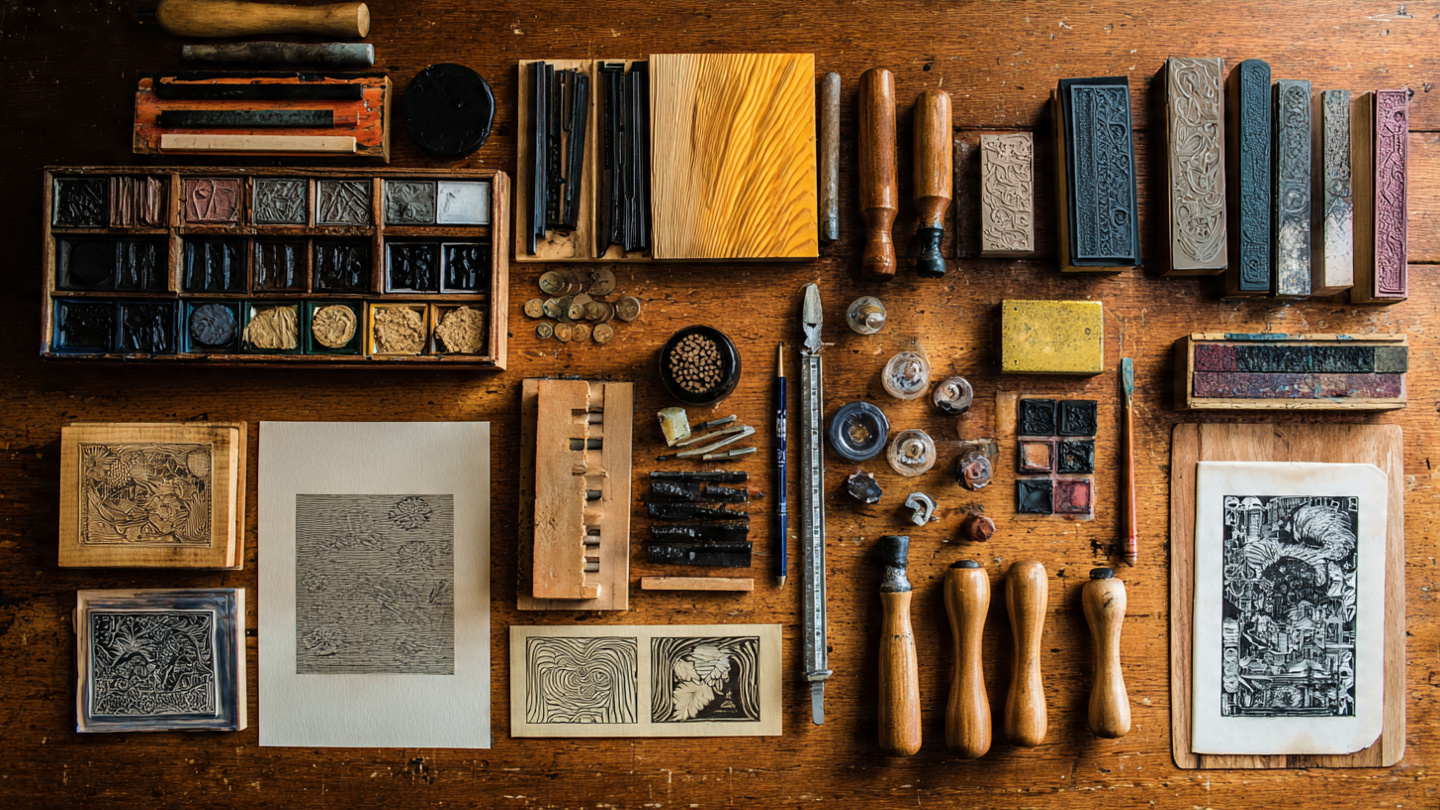
Linocut art is a relief printmaking technique where artists carve a design into a linoleum block, apply ink to the raised surface, and press it onto paper or fabric. Artists love linocut because it offers bold contrast, tactile textures, and endless creative freedom. Linoleum is softer than wood, which makes carving smoother and more forgiving, especially for beginners. When you explore different linocut techniques, you expand your visual language, strengthen your carving skills, and develop a deeper understanding of composition, texture, and storytelling through print.
1. Single-Color Linocut Printing
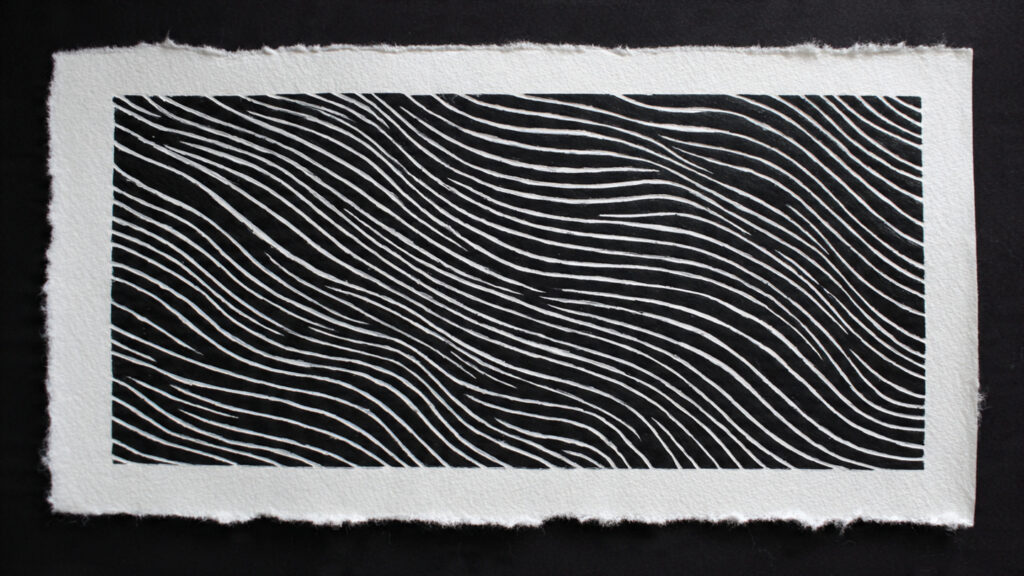
Single-color linocut printing forms the foundation of linocut art and helps artists master essential printmaking skills. In this technique, you carve away all areas that you want to remain unprinted, leaving raised sections that hold ink. You then roll a single ink color across the block and print the image onto paper. This method trains your eye to focus on contrast, negative space, and strong composition. Artists often use single-color linocuts to create bold illustrations, posters, and graphic designs where clarity and impact matter most.
2. Reduction Linocut Technique
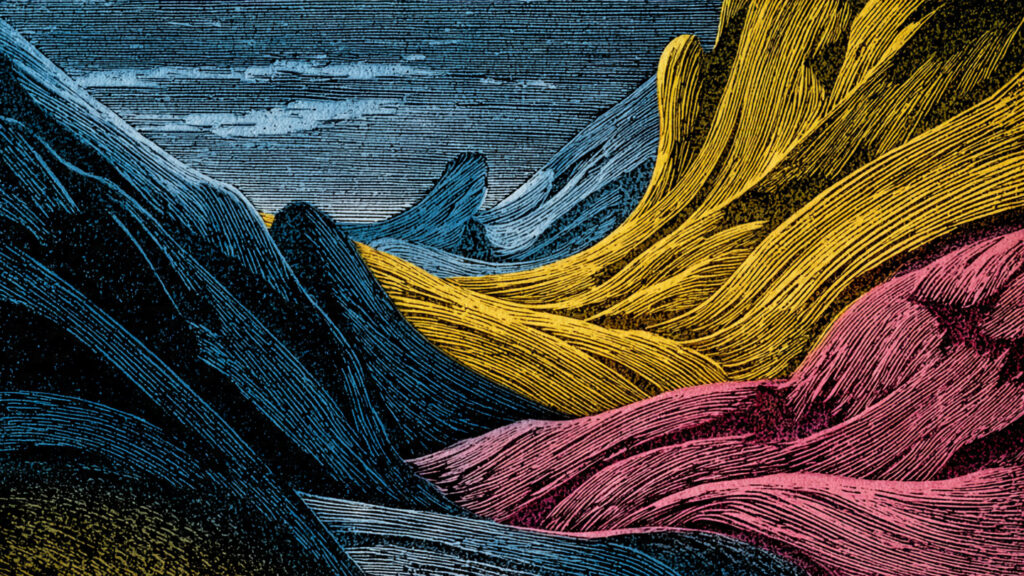
The reduction linocut technique challenges artists to plan carefully and think several steps ahead. You begin with one linoleum block and print the lightest color first. After printing, you carve away areas you want to preserve, then print the next darker color. You repeat this process until the final image appears. Because each carving permanently removes material, you cannot reprint earlier stages. This technique pushes you to commit fully to your design and rewards you with rich, layered prints that feel painterly and complex.
3. Multi-Block Linocut Printing
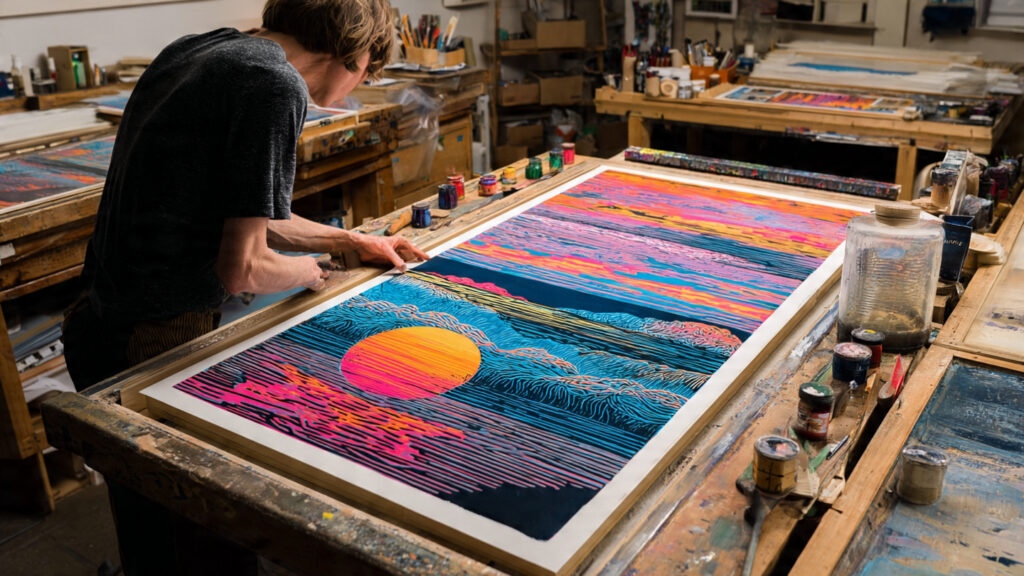
Multi-block linocut printing gives you complete control over color and detail by using a separate block for each color. You carve individual designs for every color layer and print them in sequence, carefully aligning each block. This method allows you to achieve crisp edges, vibrant color contrasts, and refined compositions. Artists often choose multi-block printing for detailed illustrations, decorative prints, and professional-grade artwork where precision matters.
4. White-Line Linocut Technique
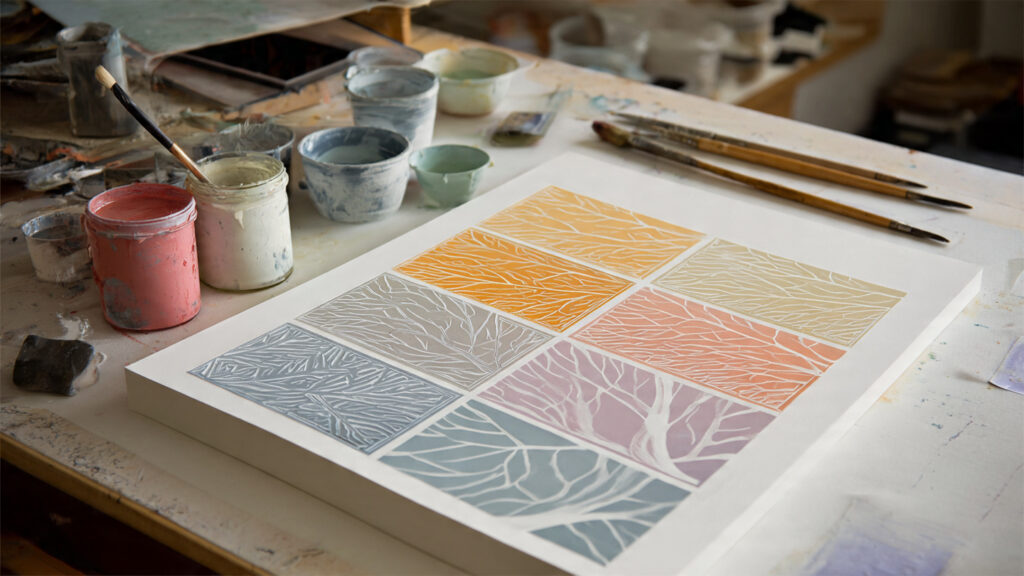
White-line linocut printing adds elegance and definition to your artwork by leaving thin white lines between color areas. You carve narrow lines into the block that do not receive ink, creating natural separators between colors. This technique works especially well for complex designs, landscapes, and illustrative scenes. Artists use white-line linocut to guide the viewer’s eye and add visual clarity without overwhelming the composition.
5. Jigsaw Linocut Method
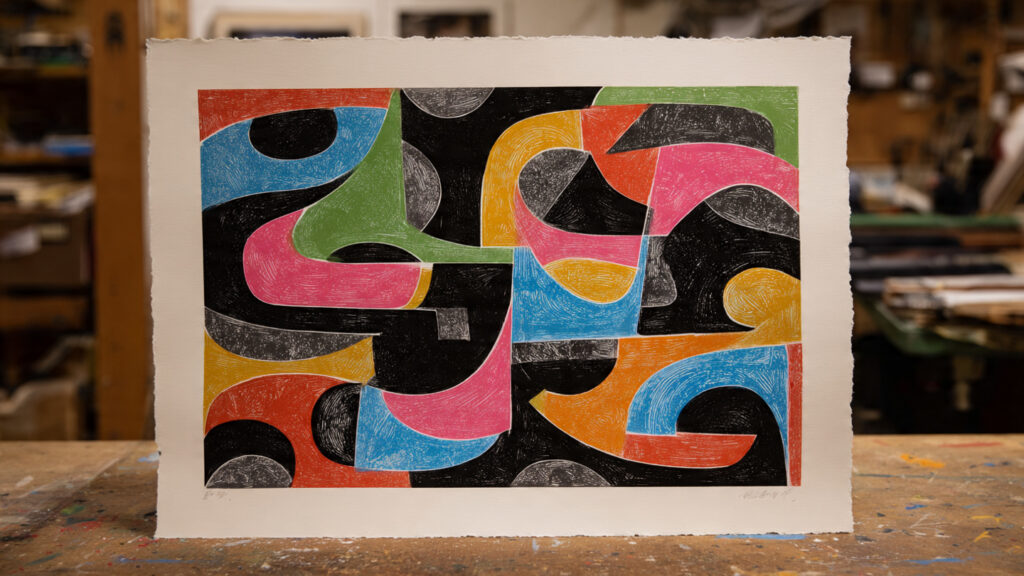
The jigsaw linocut method encourages playful experimentation and organic design. You carve a complete image first, then cut the block into separate pieces like a puzzle. You ink each piece with a different color, reassemble the block, and print it as one image. This technique allows colors to interact naturally and produces slightly unpredictable results that feel lively and handmade. Artists often use jigsaw linocut for abstract art and expressive compositions.
6. Textured Linocut Printing
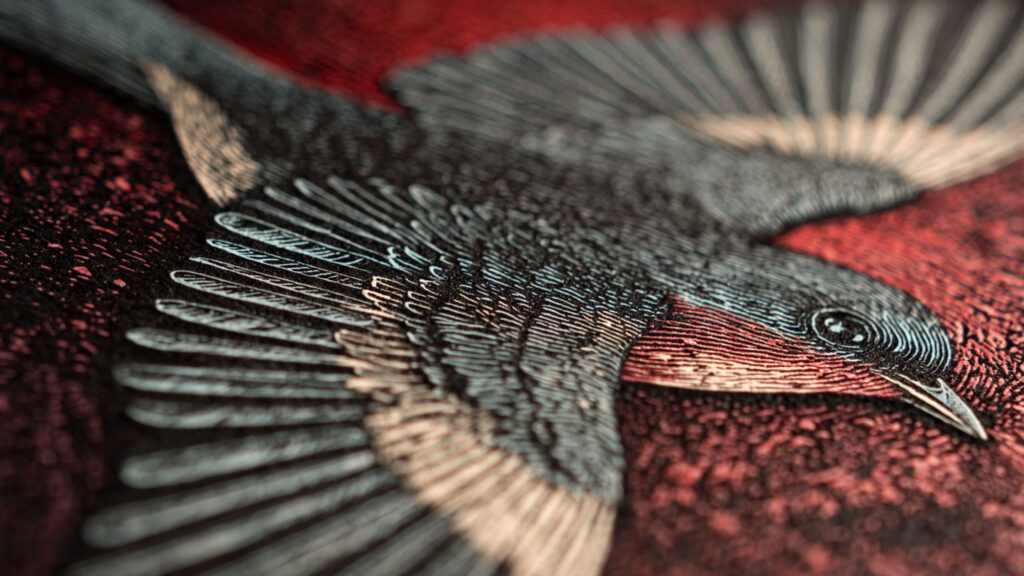
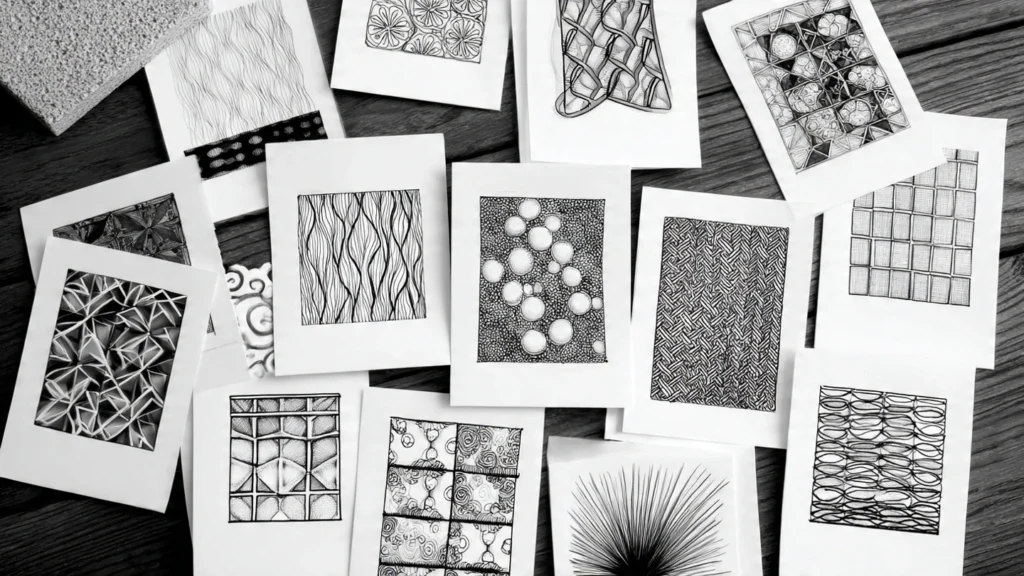
Textured linocut printing brings depth and emotion into your work through intentional carving marks. You create texture by using repeated cuts, cross-hatching, stippling, or rough carving gestures. Texture adds movement and visual interest, making even simple designs feel dynamic. Artists use textured linocut techniques to evoke atmosphere, emotion, and tactile richness in landscapes, portraits, and abstract prints.
7. Fine-Line Linocut Carving

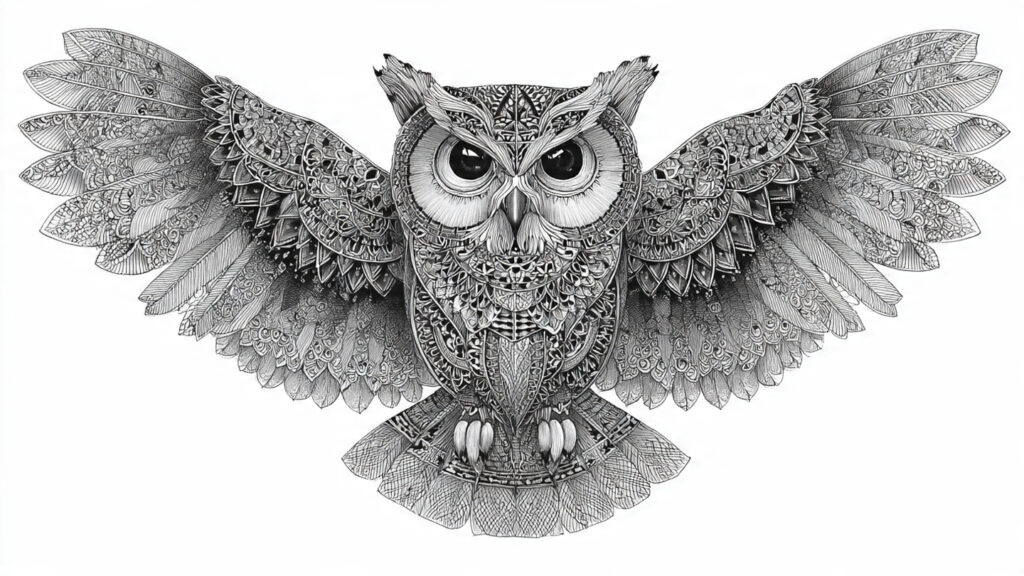
Fine-line linocut carving focuses on precision, patience, and control. You use sharp tools to carve thin, delicate lines that capture intricate details. This technique works beautifully for botanical illustrations, architectural designs, and detailed portraits. Fine-line linocut demands steady hands, but it rewards artists with elegant, refined prints that showcase craftsmanship.
8. Expressive Gesture Linocut
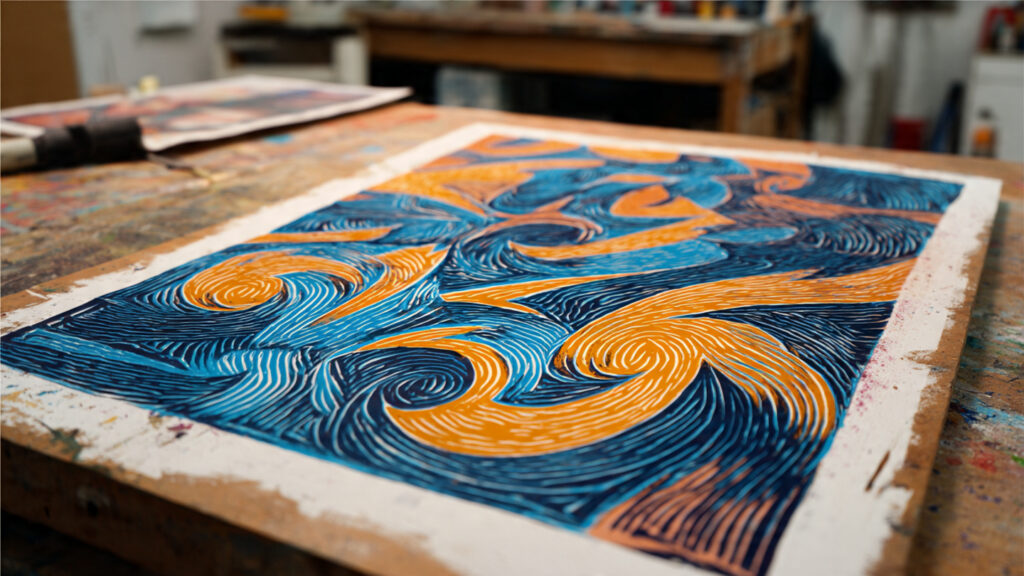
Expressive gesture linocut celebrates movement, energy, and spontaneity. Instead of carefully planning every cut, you carve intuitively and allow your hand to guide the design. This approach results in bold, dynamic lines that communicate emotion and rhythm. Artists often use gesture linocut for abstract art, figure studies, and experimental compositions.
9. Pattern-Based Linocut Designs
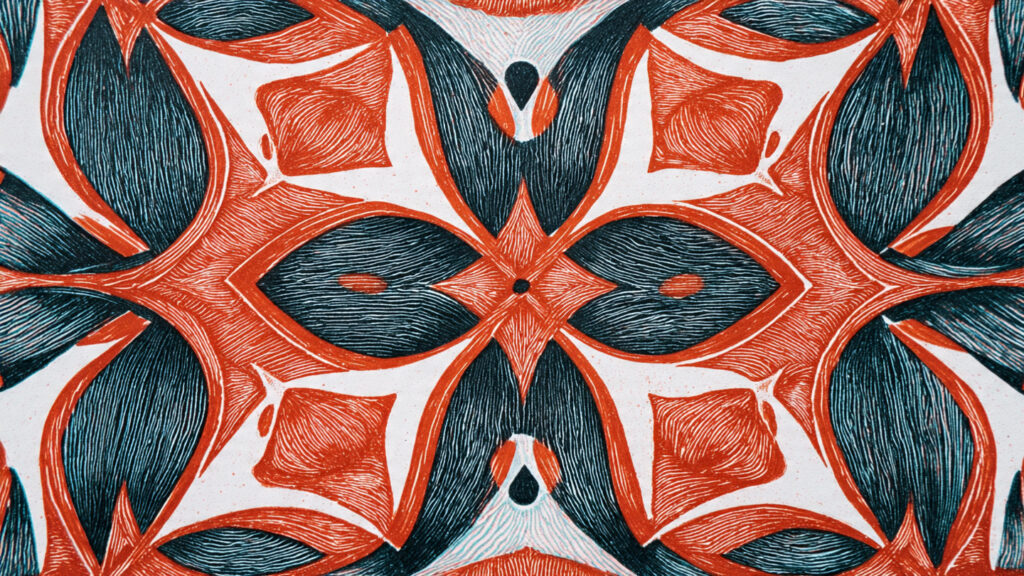
Pattern-based linocut designs rely on repetition, rhythm, and balance. You carve repeating motifs such as geometric shapes, florals, or symbolic elements. This technique suits surface design projects like textiles, wallpapers, wrapping paper, and stationery. Artists love pattern linocut for its meditative carving process and decorative appeal.
10. Gradient Inking (Rainbow Roll)
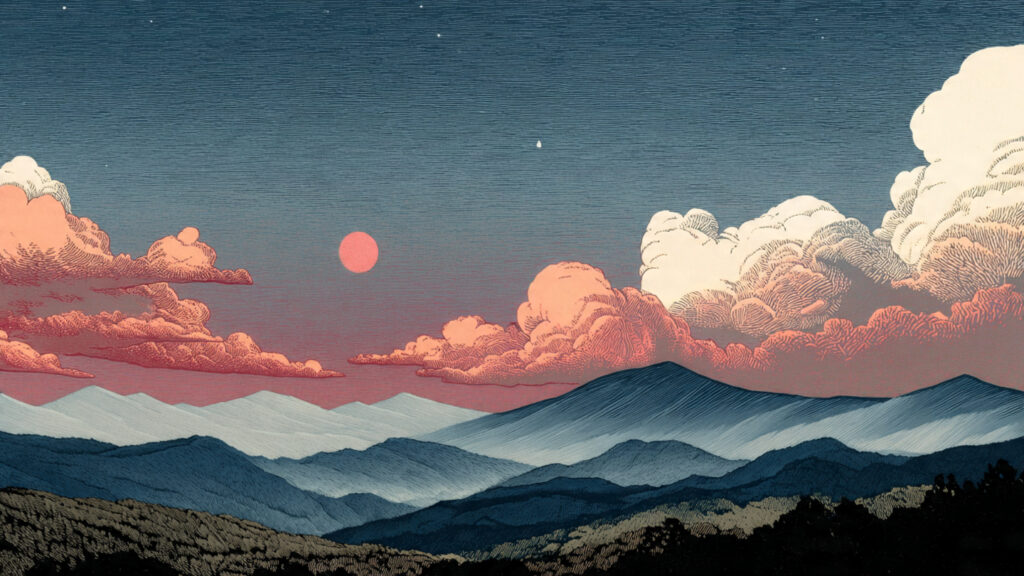
Gradient inking, also known as the rainbow roll technique, adds modern flair to linocut printing. You apply two or more ink colors onto the brayer and blend them directly on the roller. When you ink the block, the colors transition smoothly across the surface. This technique creates depth, mood, and visual movement without carving multiple blocks.
11. Monochrome Tonal Linocut
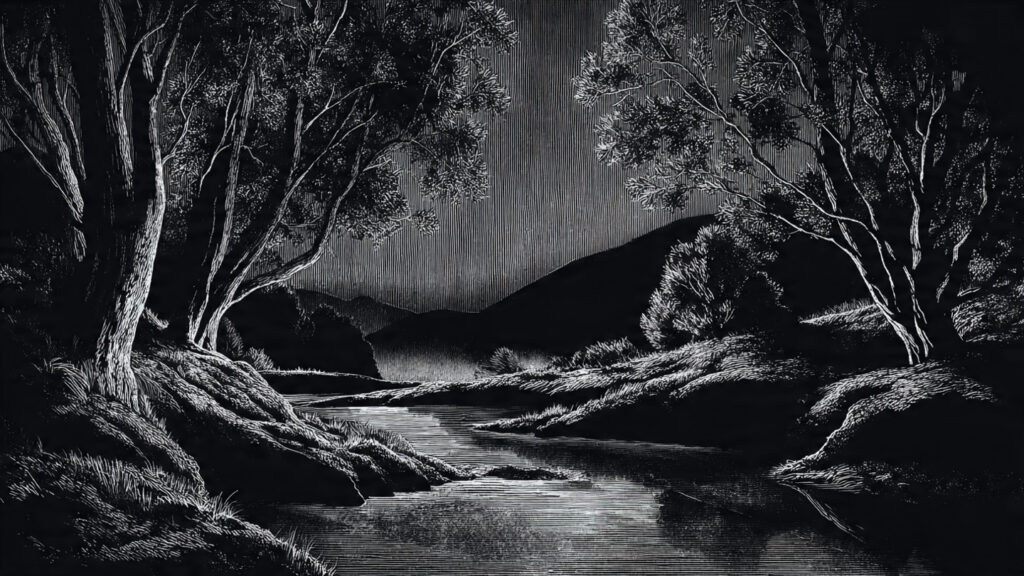
Monochrome tonal linocut uses different shades of a single color to build depth and atmosphere. You control tone through carving density, ink pressure, and layering. This technique works well for dramatic landscapes, night scenes, and emotional compositions where light and shadow play a central role.
12. Figurative Linocut Art
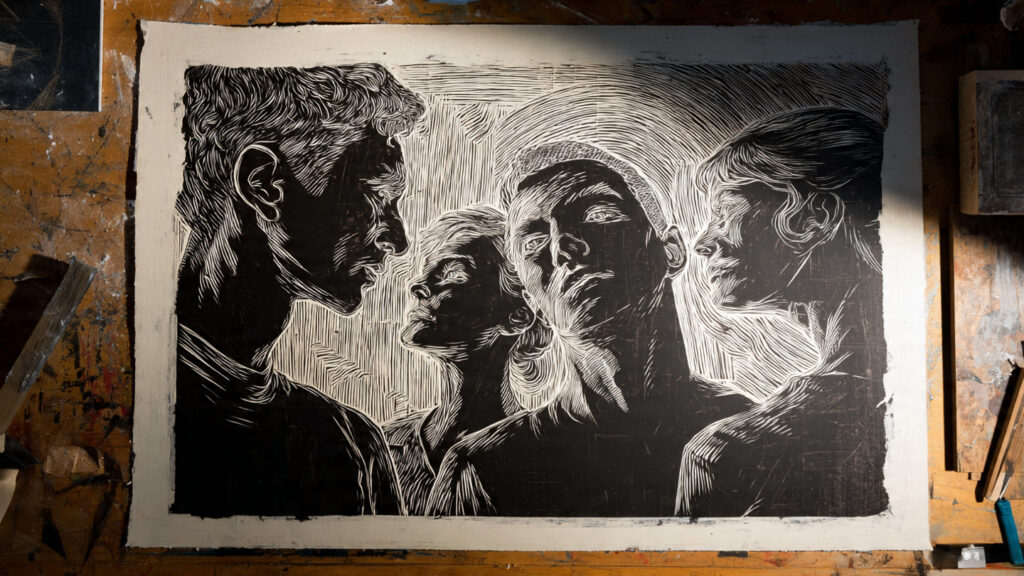
Figurative linocut art focuses on human or animal forms while simplifying shapes and emphasizing gesture. Artists carve strong silhouettes and expressive lines to tell visual stories. This technique allows you to capture emotion, movement, and personality using minimal detail and bold contrast.
13. Botanical Linocut Illustration
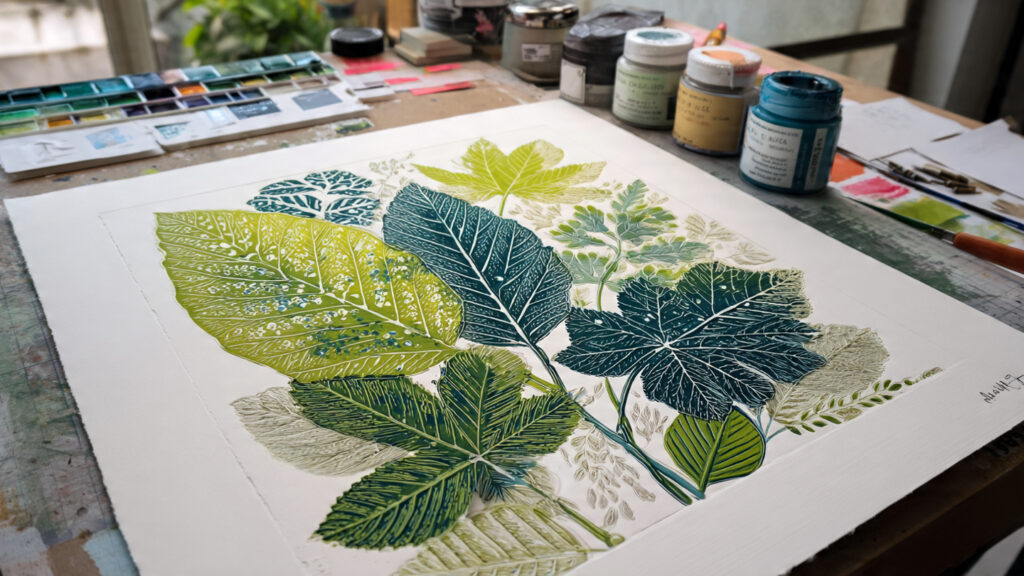
Botanical linocut illustration highlights nature’s organic beauty through carved lines and textures. Leaves, flowers, and plants translate naturally into linocut designs. Artists use this technique for art prints, book illustrations, and decorative wall art inspired by the natural world.
14. Experimental Mixed-Media Linocut
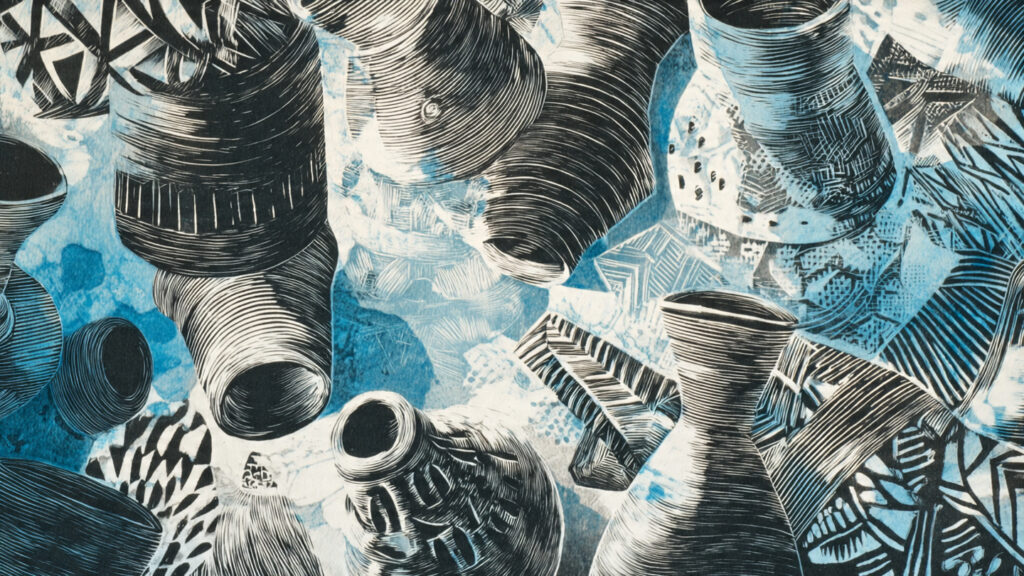
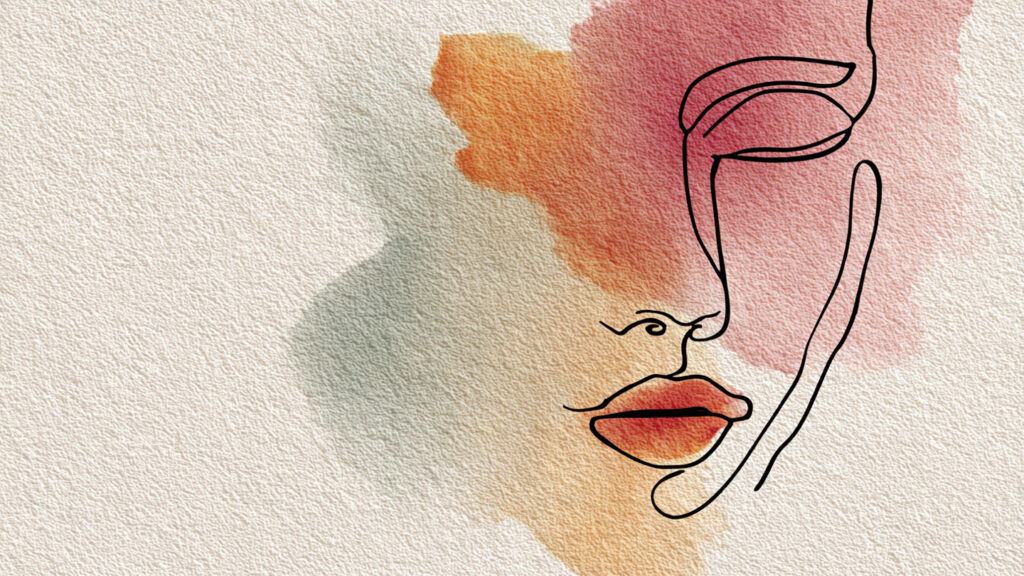
Experimental mixed-media linocut breaks traditional boundaries by combining printmaking with watercolor, collage, or hand-drawn elements. You print the linocut first, then enhance it with additional materials. This approach encourages creative freedom and allows each print to become a unique artwork.
15. Large-Scale Linocut Printing
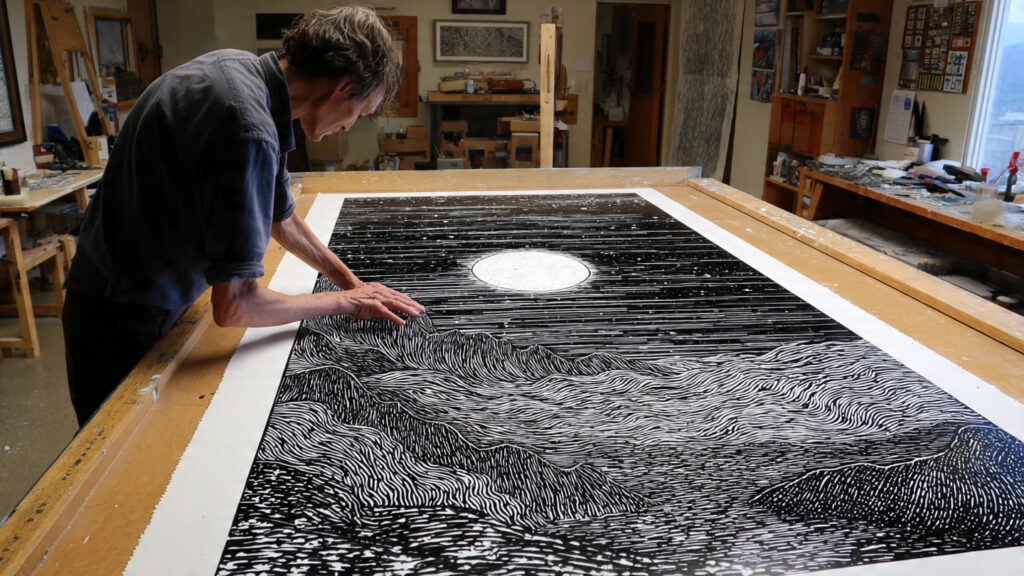
Large-scale linocut printing makes a bold visual statement. Artists carve oversized blocks and print them using hand pressure or alternative methods. This technique requires physical engagement and confident design choices. Large-scale linocuts command attention and work beautifully as statement art pieces.
Conclusion
Linocut art offers endless creative possibilities, and mastering these 15 linocut art techniques allows printmakers to build confidence, refine carving skills, and develop a strong artistic style. From simple single-color prints to advanced reduction and mixed-media approaches, each technique strengthens your understanding of relief printmaking and visual storytelling. By experimenting with different linocut methods, you can create bold, textured, and professional-quality prints that stand out in the world of handmade art. Whether you are a beginner or an experienced artist, practicing these linocut techniques will help you grow creatively and produce meaningful, expressive printmaking artwork.