Architecture Drawing: 7 Essential Styles, Techniques, and Creative Expressions
Architecture drawing forms the artistic and technical backbone of architectural design, and architects use it as the primary method to transform ideas into visual form. From early conceptual sketches to detailed construction drawings, architects communicate space, structure, and emotion with clarity and creativity through their drawings. This in-depth guide explores seven essential architectural drawing styles that every artist, designer, and architecture enthusiast should understand. By examining each style’s purpose, visual language, and creative value, this article provides a complete foundation for mastering architectural expression through drawing.
Introduction to Architecture Drawing
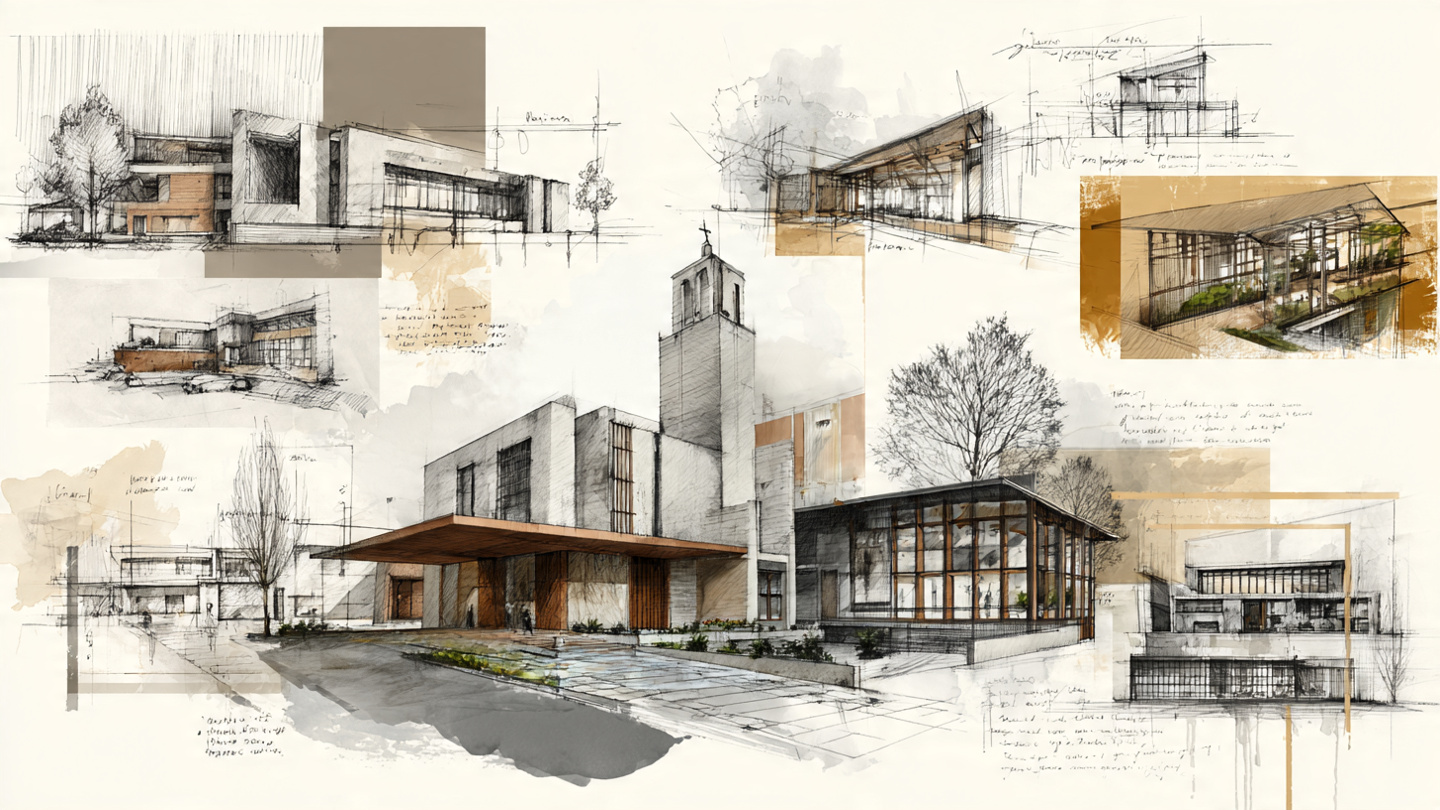
Architecture drawing is both a creative art and a precise discipline that bridges imagination with reality. It allows architects and artists to explore form, proportion, material, and space long before a building is constructed. Throughout history, architectural drawing has evolved from hand-drawn manuscripts to advanced digital visualizations, yet its core purpose remains unchanged: to communicate ideas clearly and beautifully. Each drawing style serves a unique role in the design process, helping designers think, test, and present architectural concepts. Understanding these styles not only improves technical skill but also deepens creative expression.
1. Architectural Sketching
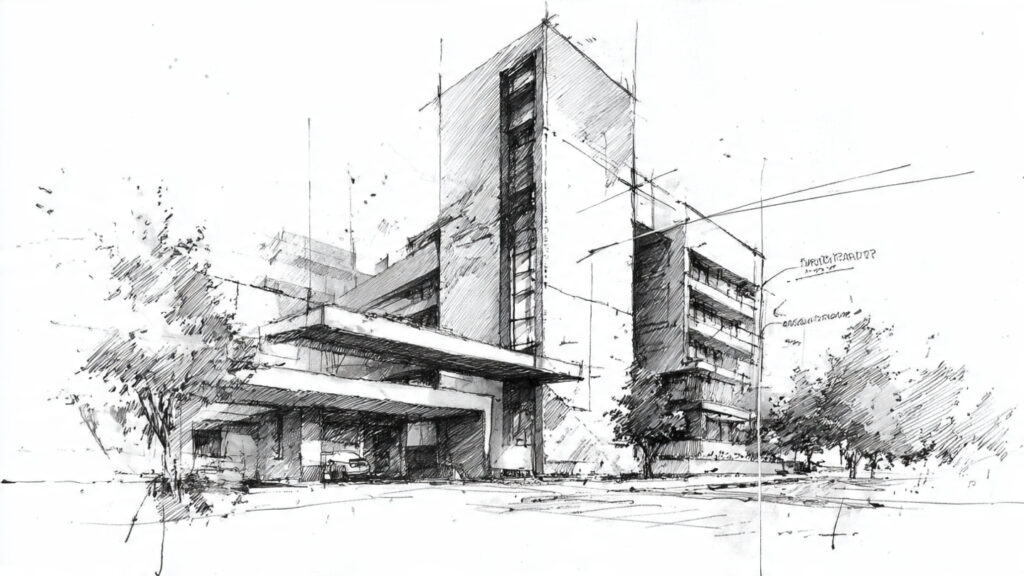
Architectural sketching is the most spontaneous and expressive form of architectural drawing, often used at the earliest stages of design. This style focuses on capturing ideas quickly through loose, freehand lines without concern for precision or scale. Sketching allows architects to explore massing, spatial relationships, and overall form while encouraging creativity and experimentation. The beauty of architectural sketching lies in its imperfection, as overlapping lines and rough perspectives convey movement and thought. It is an essential practice for developing visual thinking and conceptual clarity.
2. Technical Architectural Drawing
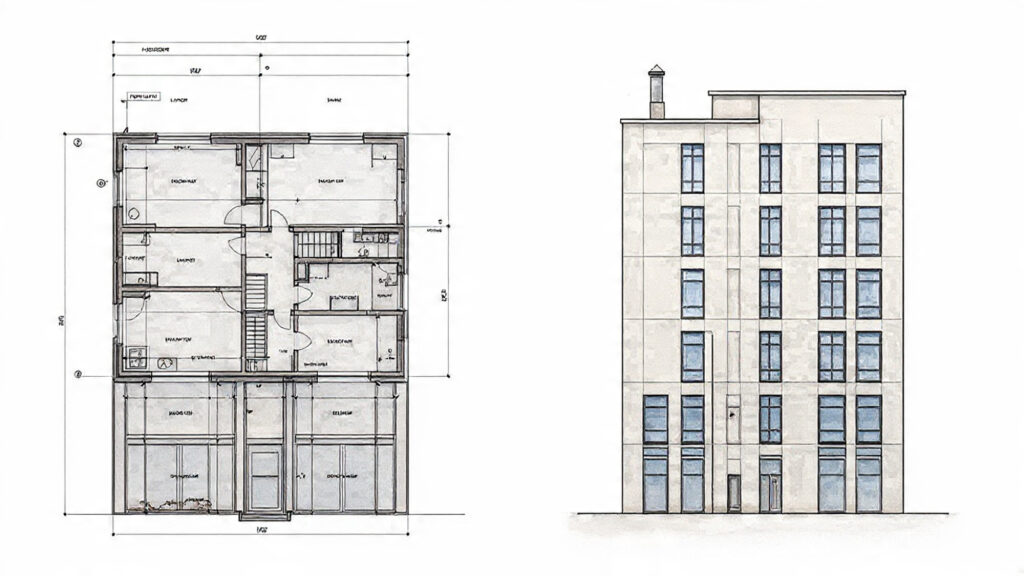
This is the most structured and precise style, forming the foundation of professional architectural documentation. This style includes floor plans, elevations, sections, and construction details created using strict scales, measurements, and drawing standards. Every line represents a specific element, ensuring that builders and engineers can accurately interpret the design. While highly technical, these drawings still carry aesthetic value through clean linework and thoughtful layout. Technical drawing transforms creative ideas into a buildable reality.
3. Architectural Perspective Drawing
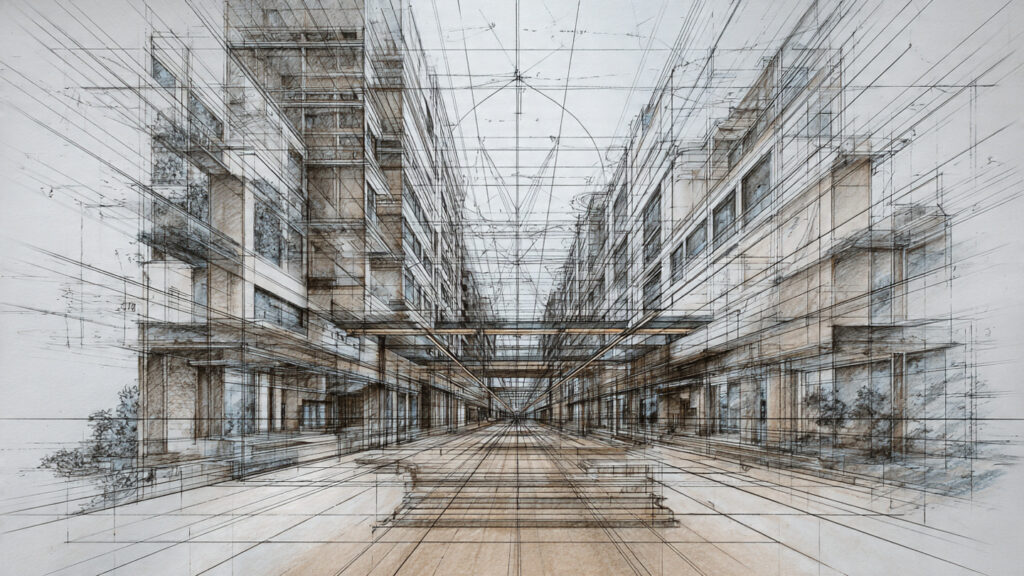
This drawing brings buildings to life by showing how they appear in three-dimensional space from a human viewpoint. This style uses one-point, two-point, or three-point perspective to create depth and realism. Perspective drawings help viewers understand scale, proportion, and spatial relationships while making designs visually engaging. Often used in presentations, this style connects emotionally with clients and audiences by showing how a building will feel in real life rather than just how it functions.
4. Architectural Rendering

It enhances perspective drawings by adding color, texture, lighting, and atmosphere. This style focuses on realism and mood, showing how materials interact with light and surroundings. Renderings may be hand-drawn or digitally produced and are commonly used for marketing, competitions, and client presentations. Shadows, reflections, and environmental elements such as trees and people help communicate scale and experience. Architectural rendering transforms technical designs into immersive visual stories.
5. Conceptual Architecture Drawing
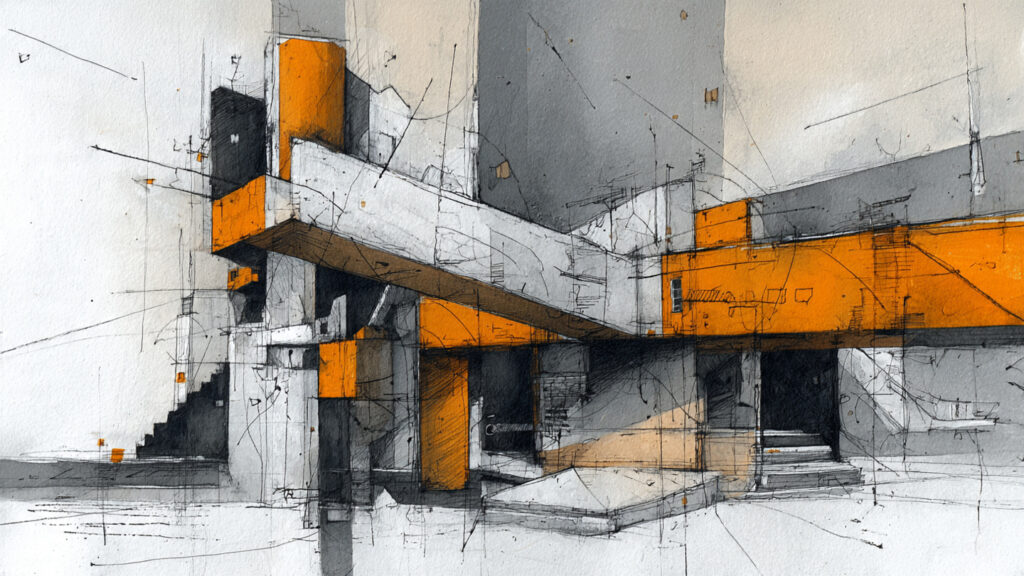
Conceptual architecture drawing emphasizes ideas over precision, using abstraction and symbolism to convey the design philosophy. These drawings often feature bold lines, diagrams, annotations, and experimental layouts to express the project’s intent. Conceptual drawings are especially common in academic and competition settings, where creativity and innovation are highly valued. Instead of focusing on the final appearance of a building, this style explains why the design exists and how it relates to its surroundings.
6. Axonometric and Isometric Drawing
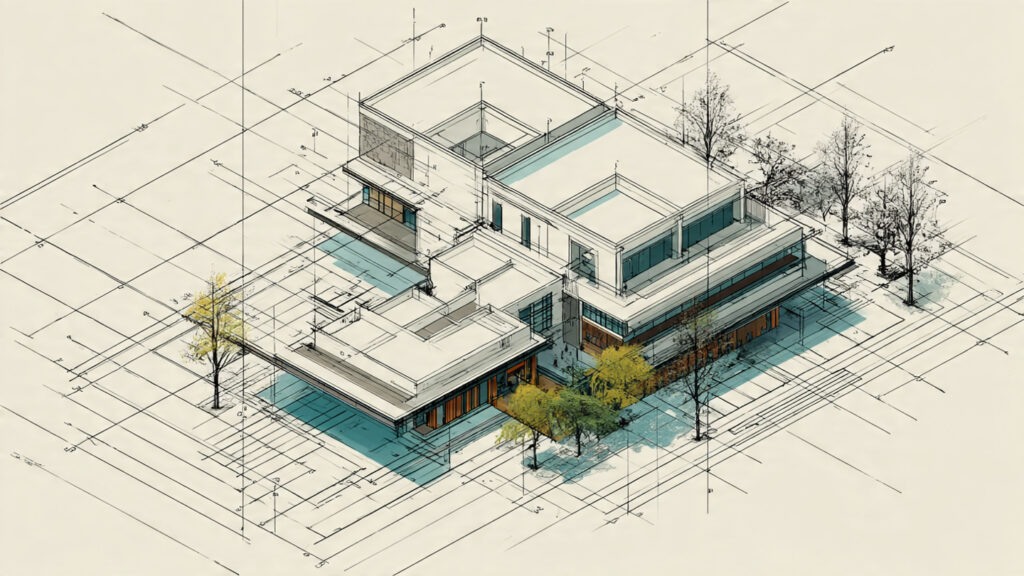
Axonometric and isometric drawings present architecture in three dimensions without perspective distortion, keeping parallel lines parallel. This style allows viewers to understand spatial relationships, structure, and construction logic clearly. Axonometric drawings are widely used for diagrams, exploded views, and instructional visuals because they combine depth with technical clarity. These drawings are especially effective for explaining complex architectural systems in a visually organized way.
7. Digital Architecture Drawing
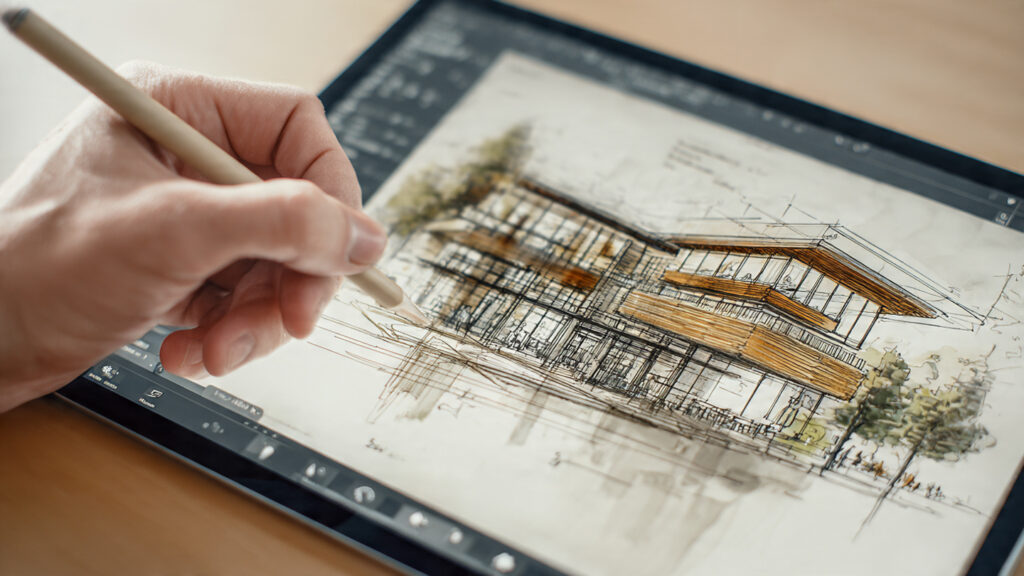
This drawing represents the modern evolution of architectural visualization, using software tools to create precise and adaptable drawings. Digital methods allow architects to easily revise designs, layer information, and integrate drawings with 3D models. While technology enhances efficiency, strong foundational drawing skills remain essential. Digital architecture drawing combines creativity with innovation, shaping the future of architectural communication and design presentation.
Conclusion
Architecture drawing is a powerful medium that blends creativity, precision, and storytelling. Each of the seven essential styles plays a critical role in shaping architectural ideas, from early sketches to polished digital visuals. By understanding and practicing these styles, artists and designers can communicate their vision more effectively and develop a stronger architectural identity. Whether traditional or digital, architectural drawing remains an indispensable art form that continues to evolve with time.