
10 Essential Oil Painting Techniques for Beginners to Try at Home
Oil painting is one of the most expressive and versatile forms of art, perfect for beginners looking to explore their creativity from the comfort of home. With the right techniques, you can create stunning, professional-looking artworks without needing advanced experience. This guide covers 10 essential oil painting techniques for beginners, including blending, glazing, impasto, dry brushing, scumbling, underpainting, alla prima, sgraffito, layering, and palette knife painting. Each technique is explained step-by-step, with tips, common mistakes to avoid, and practice ideas. By mastering these techniques, beginners can develop confidence, improve their painting skills, and produce artworks full of texture, depth, and vibrancy. Whether you love landscapes, portraits, or abstract art, these techniques are easy to practice at home and provide a solid foundation for your oil painting journey.
Introduction:
Oil painting is a timeless art form that has inspired artists for centuries. Its richness, texture, and versatility make it a favorite medium for beginners and professionals alike. Many beginners often feel overwhelmed by oil painting, but the key is to focus on mastering a few fundamental techniques that allow you to bring your artistic vision to life. This guide explores 10 essential oil painting techniques for beginners that you can try at home, whether your goal is to create landscapes, portraits, or abstract pieces. Each technique will help you understand how oil paint behaves, how to manipulate color and texture, and how to create depth in your artworks. By practicing these techniques regularly, you will build confidence and gradually develop your own unique style. From smooth blending to bold palette knife strokes, these techniques cover a wide range of effects that make oil painting a truly expressive medium.
1. Blending
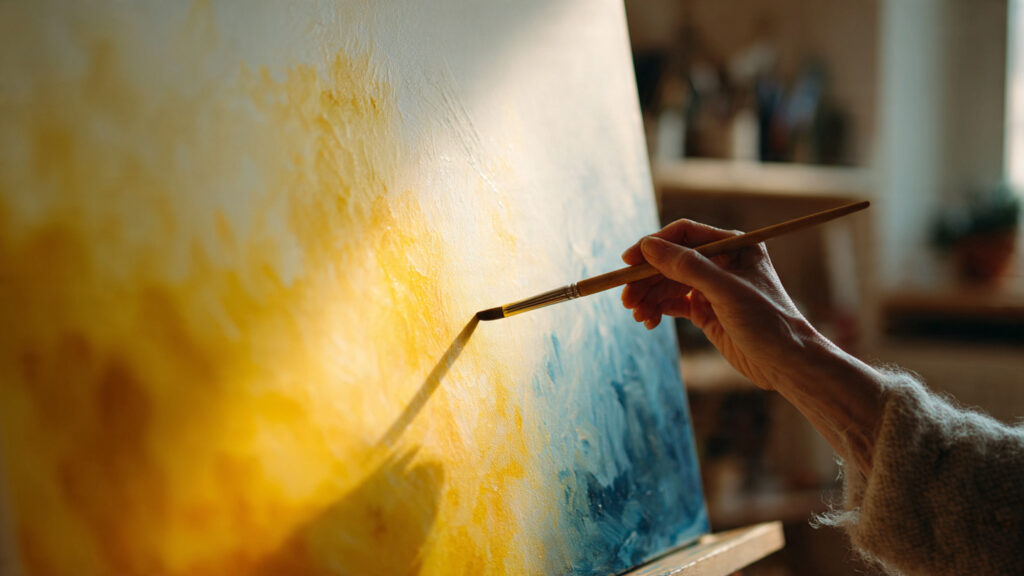
Blending is one of the most fundamental techniques in oil painting. It allows artists to create smooth transitions between colors, giving a painting a polished and realistic appearance. Beginners often start with blending to create soft skies, gentle shadows, and lifelike skin tones. The key is to work while the paint is still wet, gradually mixing the colors on the canvas rather than on the palette. This ensures a seamless gradient that mimics natural light and shadow transitions. Blending also helps in controlling mood and depth in a painting. Beginners should experiment with different brush types; soft brushes create smooth transitions, while stiffer brushes can leave visible textures. Practicing small areas and simple gradients builds confidence and muscle memory before attempting complex compositions. For beginners, repeated practice with blending provides a strong foundation for controlling oil paints, understanding color relationships, and achieving realism in their work. Before starting your first project, make sure you have the right materials. Check out our guide to essential oil painting supplies for beginners to learn which paints, brushes, canvases, palettes, and other materials you need to get started.
2. Glazing
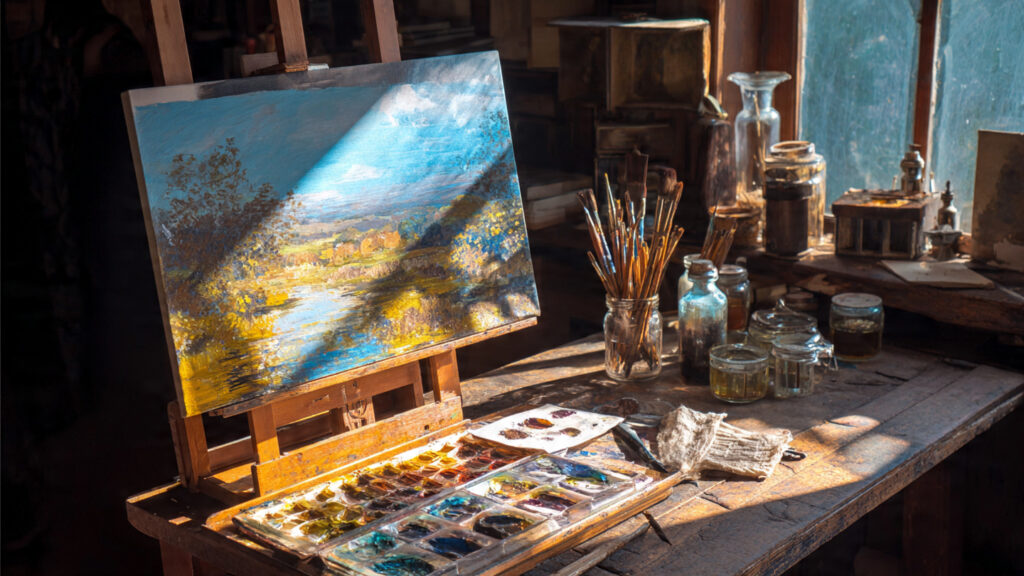
Glazing involves applying thin, transparent layers of oil paint over a dry base. This technique enhances the luminosity and depth of a painting, creating a glowing effect that cannot be achieved with opaque paint alone. Beginners often use glazing to subtly adjust colors, create highlights, or add atmospheric effects, making their artworks appear richer and more dimensional. Glazing requires patience, as each layer must dry before applying the next to prevent muddying colors. The beauty of glazing lies in its ability to build color gradually. By layering translucent paints, artists can create complex hues and soft transitions that would be difficult to mix on a palette. For instance, a series of warm glazes over a cool underpainting can make a portrait’s skin glow realistically. Beginners should start with a monochrome underpainting and use a small amount of medium to thin the paint for controlled results. Glazing also allows artists to correct mistakes without starting over. A transparent layer can modify color intensity, soften harsh edges, or deepen shadows without disturbing the underlying composition. For beginners, practicing glazing teaches control over paint consistency and brush pressure, which is essential for achieving professional-looking oil paintings.
3. Impasto
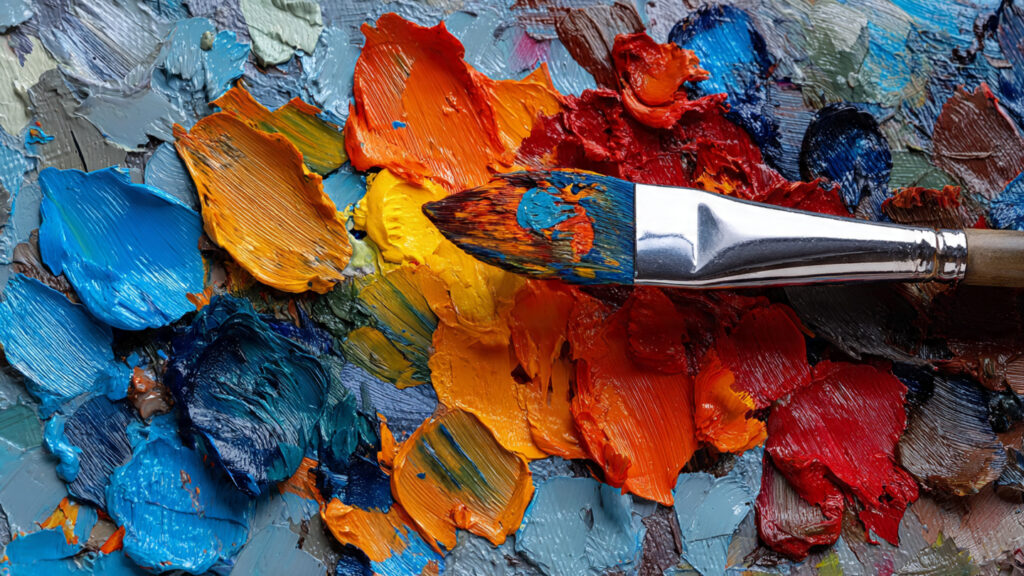
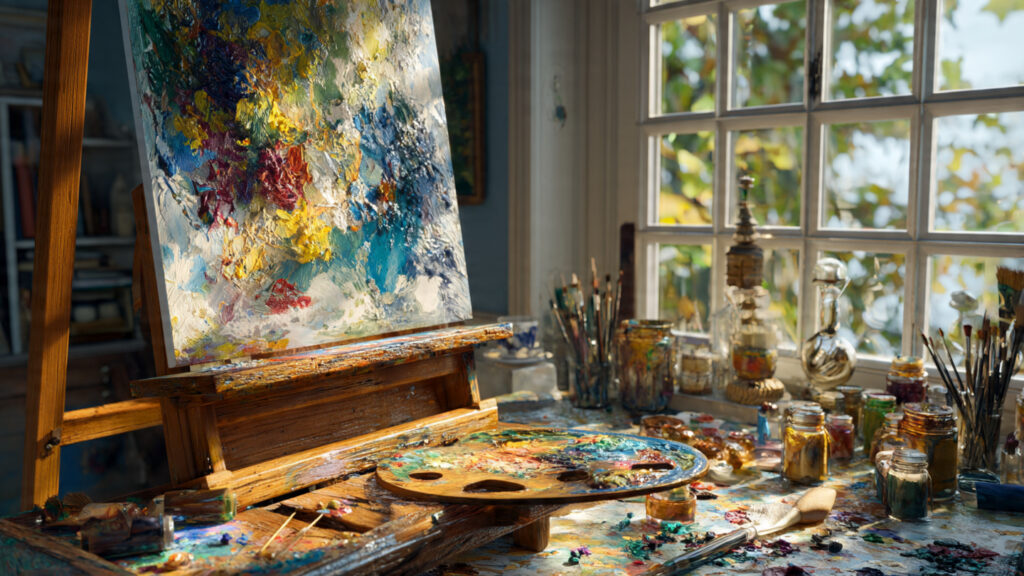
Impasto is a technique where thick paint is applied to the canvas, creating texture and three-dimensionality. Artists use impasto to make certain areas of a painting stand out, adding physical depth that interacts with light. For beginners, impasto is an exciting way to explore tactile effects, as the thick paint produces dynamic textures that feel alive and vibrant. It’s commonly applied with palette knives or stiff brushes to maintain bold, defined strokes. This technique adds energy and movement to a painting. For example, swirling thick strokes in a turbulent sky or layering vibrant colors in a floral composition givess a sense of motion and life. Beginners often experiment with different pressure levels, angles, and paint thickness to achieve varying textures. Impasto can also serve as a highlight technique, drawing attention to focal points while keeping background areas flatter. Impasto is versatile and complements other techniques like blending and glazing. Beginners can combine smooth blended areas with textured impasto highlights to create visually rich artworks. Regular practice with impasto helps beginners gain confidence in handling thick paint, using palette knives effectively, and thinking in terms of both color and texture.
4. Dry Brush

Dry brushing is achieved by using a brush with minimal paint, dragged lightly over the canvas to create scratchy, textured strokes. This technique is excellent for creating details like foliage, fabric textures, or clouds. Beginners often use dry brushing to add subtle effects that bring realism and dimension to their work without overpowering it with heavy paint. The technique encourages careful control of pressure and brush angle. A soft touch results in delicate textures, while slightly firmer strokes emphasize roughness or structure. For example, painting a tree’s bark with a dry brush creates a natural texture without layering multiple thick strokes. Beginners benefit from starting with small test areas to understand how their brush interacts with the paint and canvas. Dry brushing is also ideal for layering effects. By applying dry brush strokes over blended or glazed areas, artists can enhance depth and add fine details. For beginners, mastering dry brushing improves hand-eye coordination, precision, and an understanding of subtle textures in oil painting.
5. Scumbling
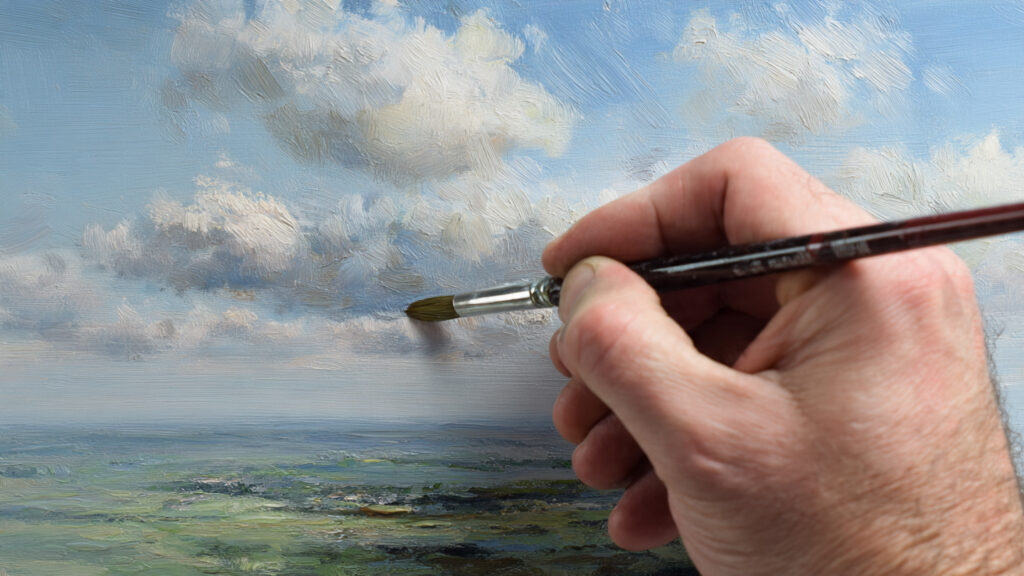
Scumbling is a technique where a thin, opaque layer of paint is applied over a dry layer, often with a dry brush in circular or random motions. This creates a hazy or atmospheric effect, perfect for mist, clouds, or soft shadows. Beginners use scumbling to add depth and soften harsh edges without covering the entire base layer. This technique allows subtle blending while maintaining texture. The underlying colors peek through the top layer, producing a rich, layered effect. Beginners can experiment with pressure and brush direction to create different visual textures, from soft foggy landscapes to distant hills. Scumbling encourages a playful approach to layering, enhancing color complexity without requiring precise blending. Scumbling also complements other techniques like glazing and layering. By combining these methods, beginners can produce multi-dimensional artworks that convey light, distance, and mood effectively. Mastering scumbling builds confidence in experimenting with opacity, brush control, and layering for atmospheric effects.
6. Underpainting
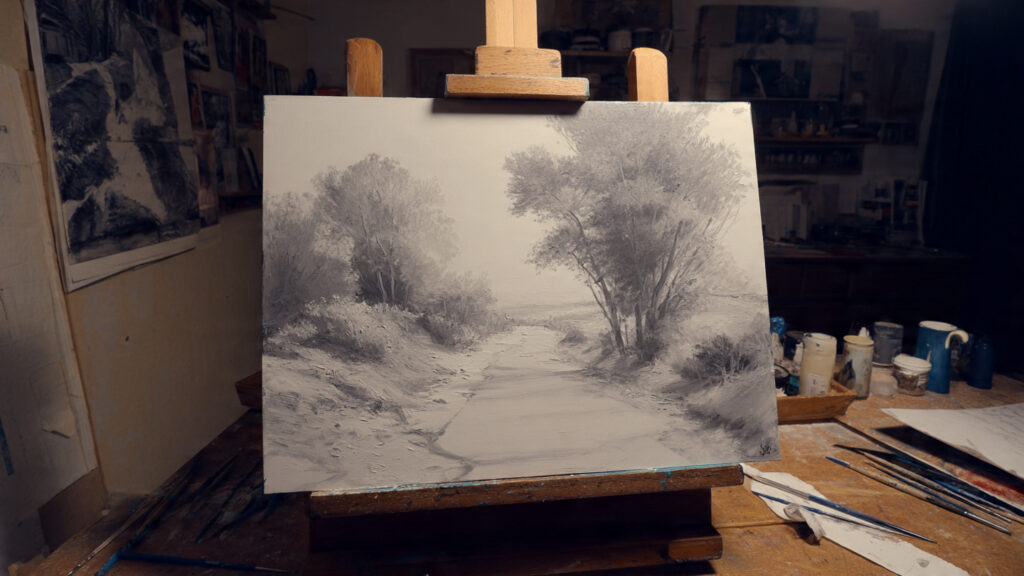
Underpainting is the foundational layer of a painting, often done in a monochrome or limited palette. Its primary purpose is to establish the composition, tonal values, and lighting before adding detailed colors. Beginners benefit from underpainting because it allows them to plan their work, correct mistakes early, and maintain a cohesive structure throughout the painting. A strong underpainting can guide subsequent layers, making blending, glazing, and detailing much easier. For example, painting a landscape with a dark underpainting helps highlight light areas and provides contrast for colorful layers on top. Beginners often use neutral colors like burnt umber or gray to sketch out shapes and shadows before moving on to vibrant paints. Underpainting also fosters experimentation and builds confidence. Artists can test compositions, proportions, and light placement without committing fully to color. For beginners, mastering underpainting improves understanding of light, shadow, and color interactions, which are essential skills for creating realistic and visually appealing oil paintings.
7. Alla Prima (Wet-on-Wet)
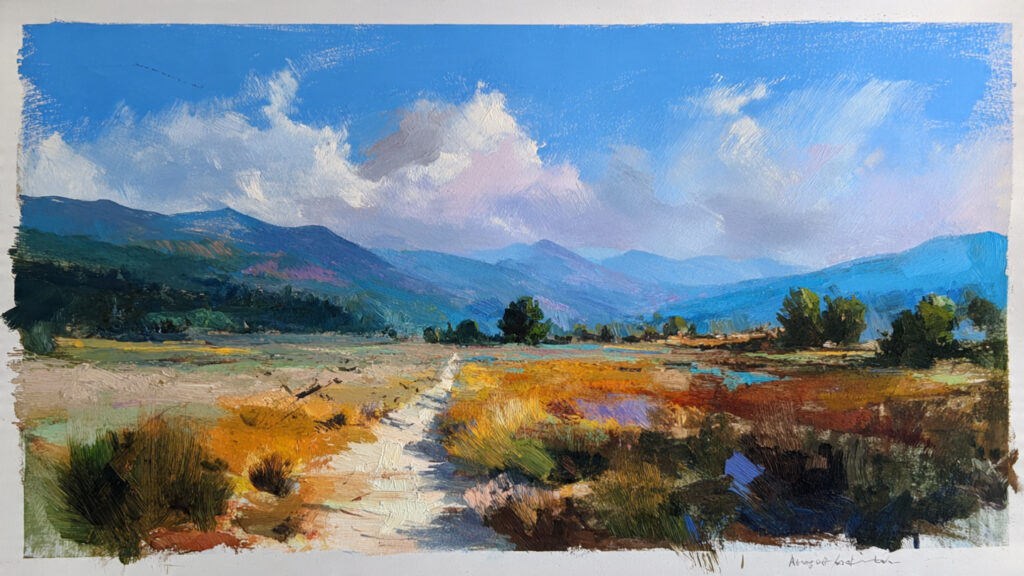
Alla prima, also known as “wet-on-wet,” is a technique where wet paint is applied directly on top of wet layers without waiting for them to dry. This method encourages spontaneity and fresh, vibrant strokes, making it perfect for beginners who want to create lively paintings quickly. It’s widely used in landscapes, quick studies, and expressive portraits. The advantage of alla prima is its immediacy; colors mix naturally on the canvas, producing unique textures and gradients. Beginners can experiment with brushwork, color mixing, and layering in real time. The technique teaches artists to work confidently and make decisive strokes, as hesitation can cause muddled colors or overworked areas. Alla prima also helps artists understand the behavior of oil paints. By painting wet-on-wet, beginners learn how to blend colors directly, control paint consistency, and adjust tones immediately. This technique encourages a bold, fluid approach and is an excellent introduction to oil painting for those seeking expressive and dynamic results.
8. Sgraffito
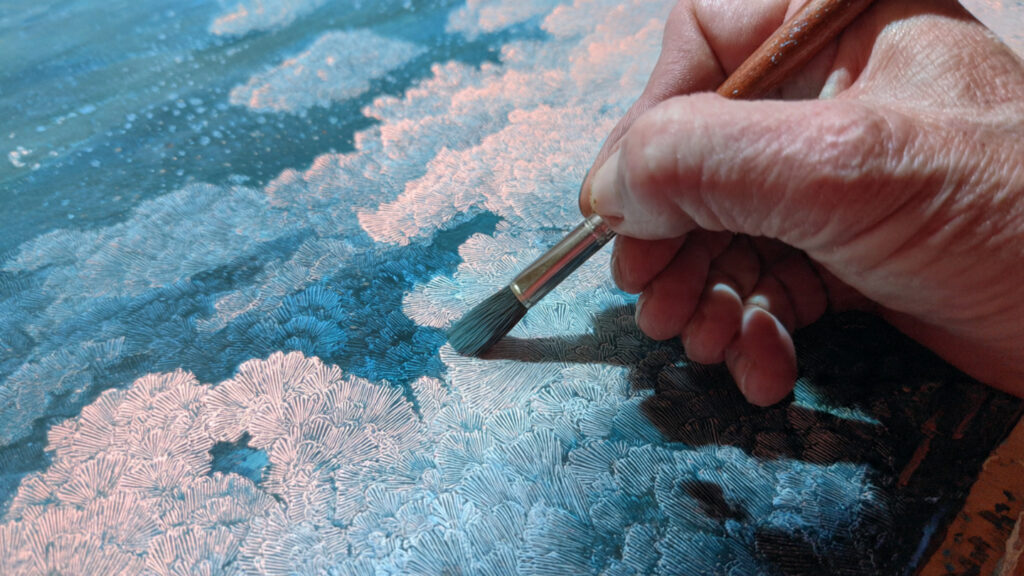
Sgraffito is a technique where artists scratch through a layer of wet paint to reveal the colors underneath. It’s often used for fine details, textures, or decorative patterns. Beginners enjoy sgraffito because it produces visually striking effects with minimal paint and allows for creative experimentation. This technique works especially well for textures like hair, tree bark, or grass, where fine lines add realism. By using tools such as palette knives, the ends of brushes, or toothpicks, artists can carve intricate details into their wet layers. For beginners, practicing sgraffito on small test areas helps them control pressure and direction, preventing accidental gouging of the canvas. Sgraffito can be combined with other techniques like layering or glazing to enhance depth and dimension. By selectively revealing underlayers, artists can create dynamic compositions with subtle color shifts. Beginners who master sgraffito gain precision and versatility in their oil painting skills, enhancing both realistic and decorative effects.
9. Layering
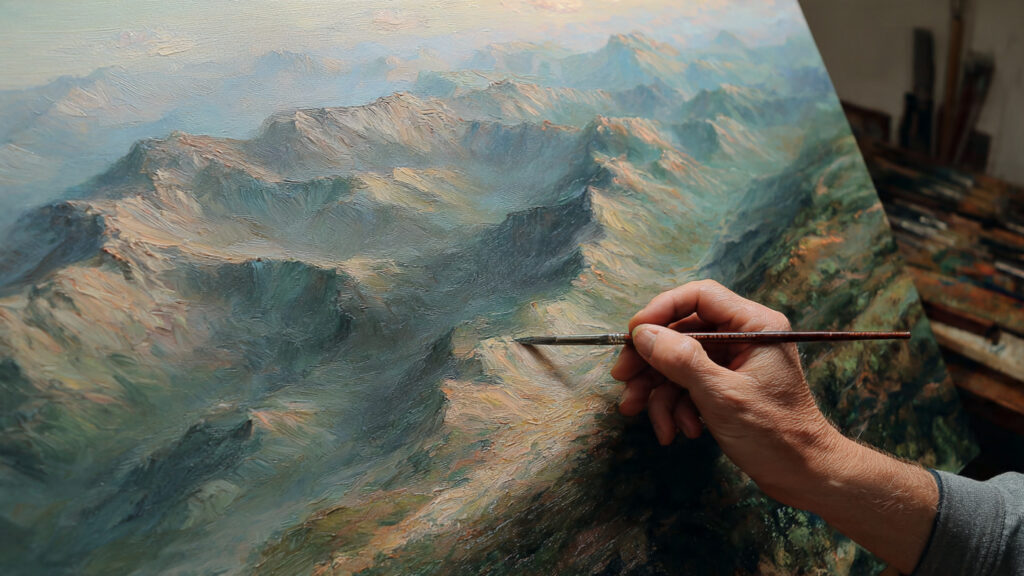
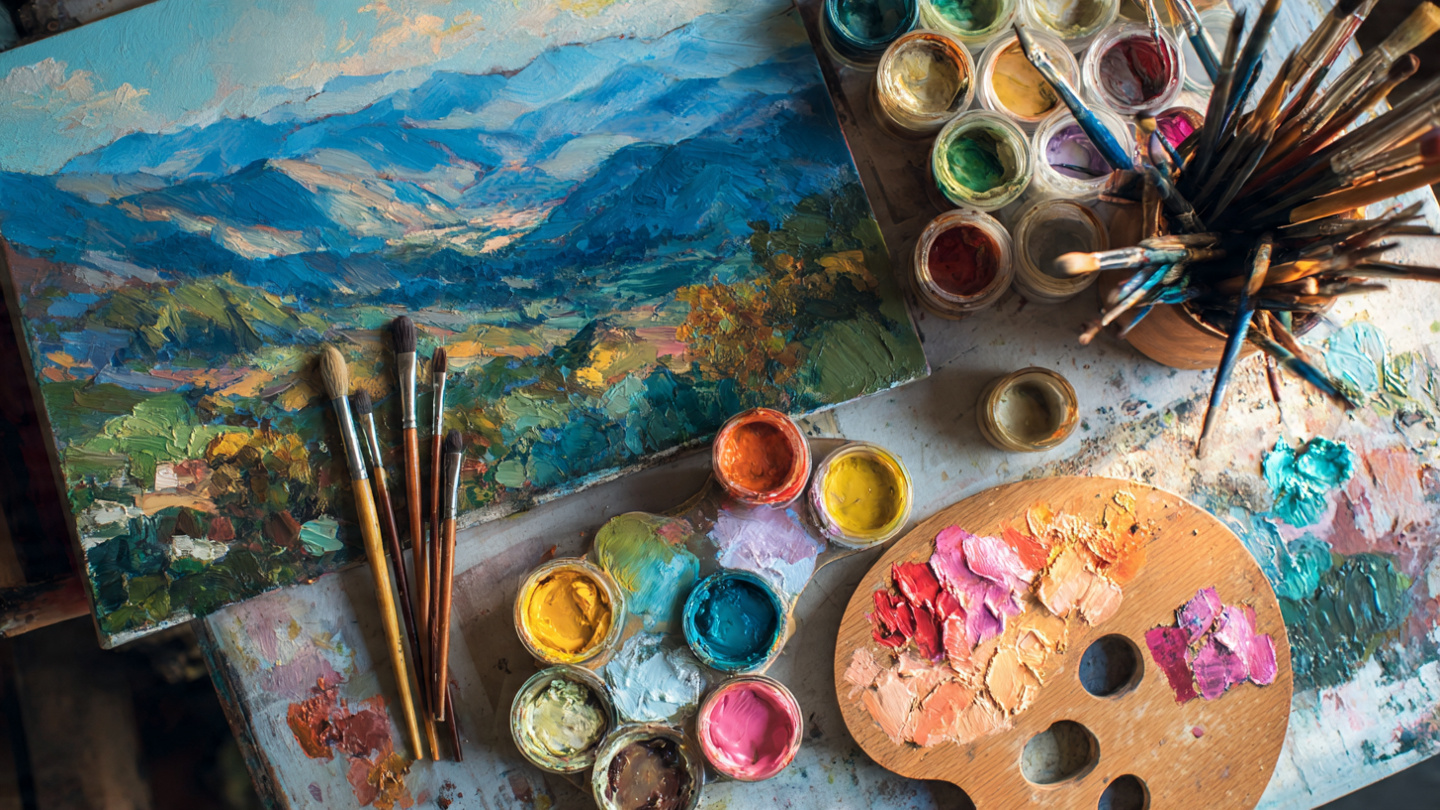
Layering is the process of applying multiple layers of paint to build depth, richness, and dimension in a painting. Each layer may be transparent, opaque, or a combination, allowing artists to create complex color interactions and subtle visual effects. Beginners use layering to gradually refine their work while maintaining control over color intensity and texture. By starting with thin layers and gradually building up thicker strokes, artists can achieve realistic shadows, highlights, and color transitions. For instance, layering a semi-transparent glaze over a blended base adds vibrancy and luminosity to landscapes or portraits. Beginners learn patience and technique by understanding how each layer contributes to the final composition. Layering also encourages experimentation with texture and brushwork. Artists can combine different methods, like dry brushing or glazing, between layers for more advanced effects. For beginners, practicing layering builds confidence in controlling oil paint, planning compositions, and producing visually rich, professional-looking artworks. Want more landscape inspiration? Explore this easy mountain oil painting idea on Pinterest and save it for your next painting project.
10. Palette Knife Painting

Palette knife painting replaces traditional brushes with a knife, creating bold, textured strokes that stand out from the canvas. This technique is excellent for expressive works, abstract compositions, and adding strong highlights. Beginners are often drawn to palette knives because they produce immediate, dramatic effects without relying on fine brushwork. Palette knives allow artists to manipulate thick paint, mix colors directly on the canvas, and create unique textures. For example, rough knife strokes can depict rugged mountains, rippling water, or textured floral patterns. Beginners can experiment with different angles, pressures, and paint thicknesses to achieve a variety of effects. This technique also encourages creative freedom. Unlike traditional brushwork, palette knife painting produces spontaneous textures and patterns that can’t be replicated with brushes alone. For beginners, mastering this technique improves confidence in handling thick paint, thinking in terms of texture, and producing visually compelling artworks with depth and energy.
Conclusion:
Mastering these 10 essential oil painting techniques gives beginners the tools to create expressive, textured, and visually stunning artworks. By practicing blending, glazing, impasto, dry brushing, scumbling, underpainting, alla prima, sgraffito, layering, and palette knife painting, you’ll gain confidence and creativity. Remember, the key to improvement is consistent practice, experimentation, and embracing mistakes as learning opportunities. Oil painting is as much about the process as the final masterpiece, and with these techniques, you’re ready to start your artistic journey at home. Ready to put these techniques into practice? Explore our 13 Easy Oil Painting Ideas for Beginners to Try at Home.