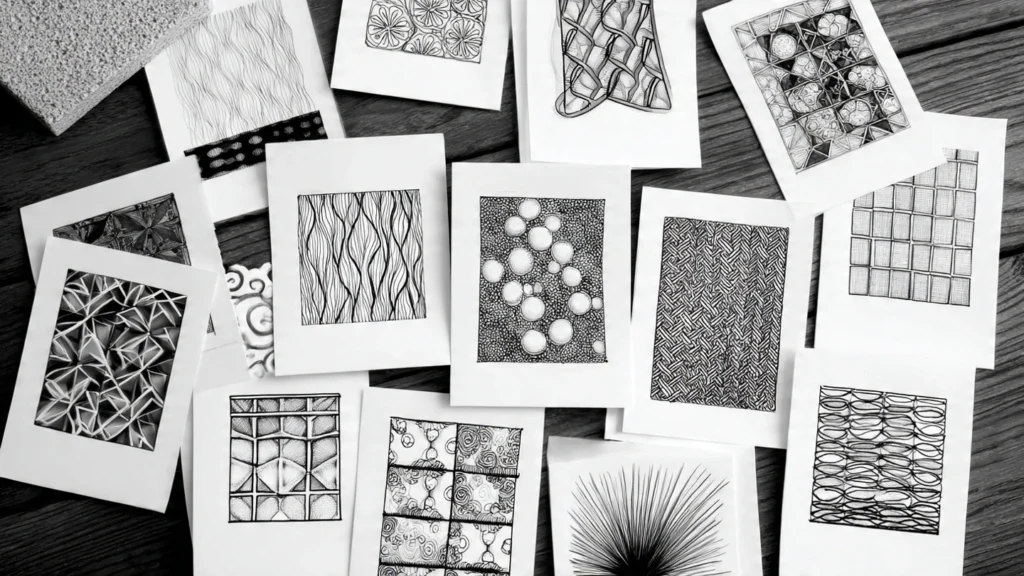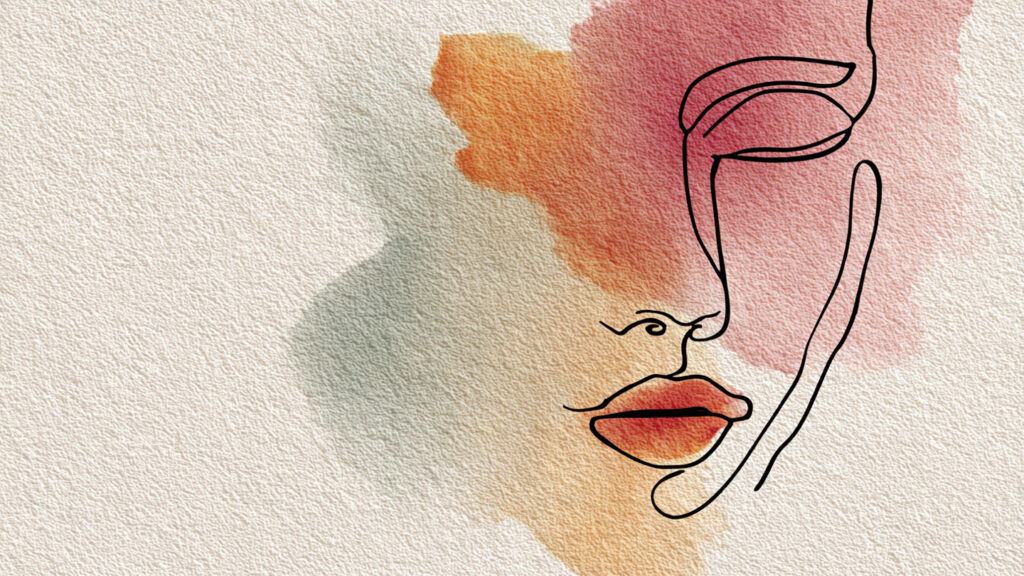
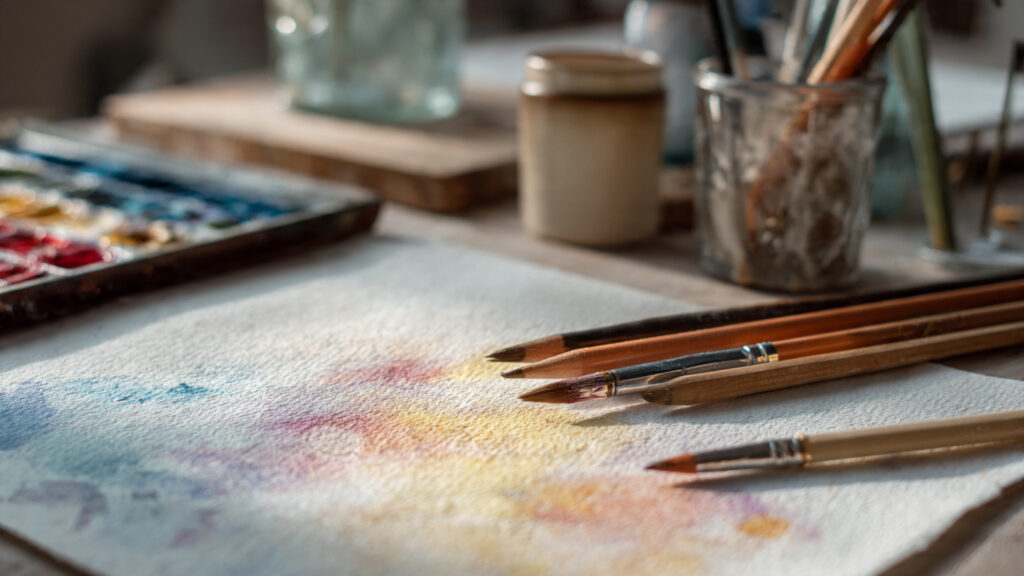
Watercolor-pencil art is a perfect medium for beginners because it combines the precision of colored pencils with the soft, flowing beauty of watercolor painting. Learning a few easy watercolor pencil art techniques can quickly improve your artwork and boost your confidence. One of the simplest techniques is dry coloring with wet blending, where you apply color lightly using watercolor pencils and then activate it with a damp brush to create smooth transitions. This method helps beginners control color intensity without overwhelming the paper.
Another popular watercolor pencil art technique is layering colors gradually. Start with light shades and gradually build up to darker tones after the first layer has dried. This approach prevents muddy colors and adds depth to your artwork. Wet-on-wet blending is also an effective technique, where you lightly wet the paper before applying pencil color for softer, more fluid effects, especially useful in background washes and skies.
For texture and details, try dry pencil detailing after blending. Once the area is dry, adding pencil strokes on top enhances sharp lines, highlights, and fine textures. These easy watercolor and pencil art techniques are ideal for beginners and hobby artists looking to create vibrant, smooth, and expressive artwork with minimal effort.
1. Watercolor Pencil Art for Beginners: A Complete Step-by-Step Guide

Watercolor pencil art is a versatile and beginner-friendly art form that beautifully combines the control of colored pencils with the fluid effects of watercolor paint. For anyone new to this medium, watercolor pencil art for beginners offers an exciting way to explore color, blending, and creativity without feeling overwhelmed. In this complete step-by-step guide, you’ll learn essential techniques, materials, ideas, and tips to help you confidently start your watercolor pencil art journey.
2. Easy Watercolor Pencil Art Techniques You Must Try

To begin with, understanding the basics of watercolor pencil art techniques is crucial. Watercolor pencils look like regular colored pencils, but become paint-like when activated with water. Beginners should start by lightly sketching their design, applying color gently, and then using a damp brush to blend. Easy watercolor pencil art techniques you must try include dry-on-dry coloring, wet brush blending, and controlled shading. These techniques help artists gradually understand how water affects pigment strength and flow.
3. Watercolor Pencil Art Ideas for Beginners and Hobby Artists

When it comes to watercolor pencil art ideas for beginners and hobby artists, simple subjects work best. Nature-inspired watercolor pencil art, such as flowers, leaves, trees, and landscapes, is ideal for practice because organic shapes are forgiving and visually pleasing. Floral designs, loose leaf patterns, and basic scenery allow beginners to focus on color blending rather than perfect outlines. Creative watercolor pencil art ideas also include mandalas, abstract patterns, and simple still-life objects to boost your drawing skills.
4. How to Blend Colors Perfectly in Watercolor Pencil Art
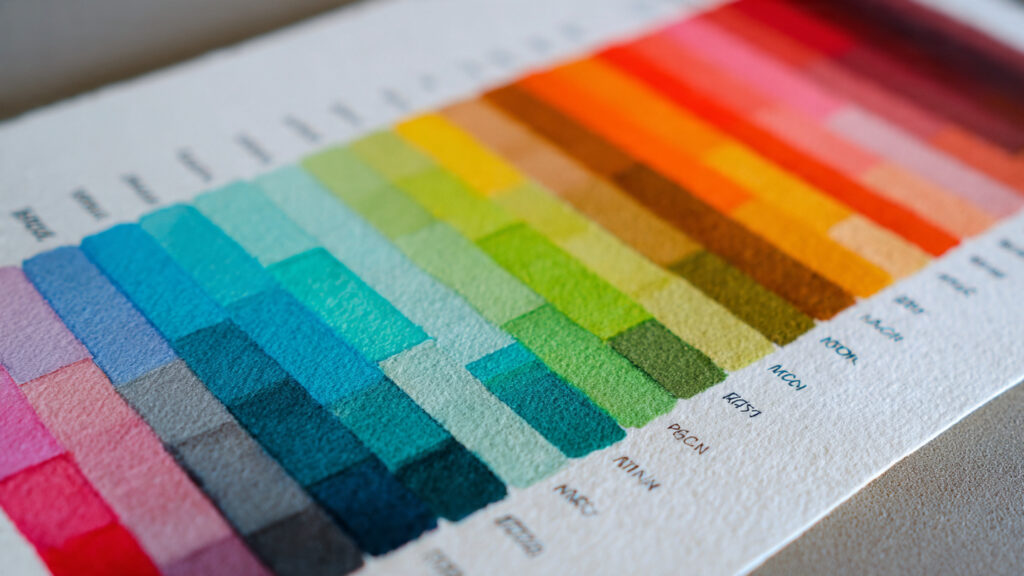
One of the most important skills to master is how to blend colors perfectly in watercolor pencil art. Smooth blending is achieved by layering light colors first and activating them with minimal water. Over-wetting the paper is a common mistake that can cause muddy colors. Watercolor pencil art tips for smooth blending and shading include using soft brushes, blotting excess water, and working in small sections to maintain control.
5. Watercolor Pencil Art Materials: Best Pencils, Paper, and Brushes

Choosing the right supplies greatly impacts your results. Watercolor pencil art materials, including the best pencils, paper, and brushes, should be beginner-friendly. High-quality watercolor pencils from reputable brands offer richer pigment and smoother blending. Thick watercolor paper, preferably 200–300 GSM, prevents warping when water is applied. Soft, round brushes are ideal for blending and detail work. Investing in proper materials makes learning easier and more enjoyable.
6. Simple Watercolor Pencil Art Projects for Practice
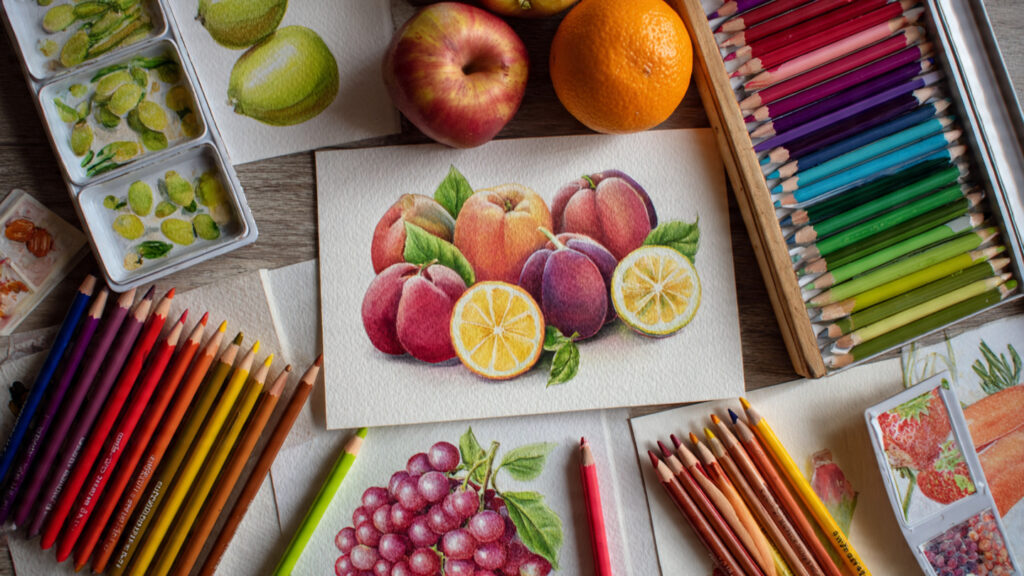
For consistent improvement, practicing simple watercolor pencil art projects is essential. Beginner-friendly watercolor pencil art exercises for daily practice might include color gradient charts, shading spheres, leaf studies, or small animal sketches. Step-by-step animal drawings using watercolor pencil art—such as birds, butterflies, or fish—help beginners understand texture, layering, and color depth without complex anatomy.
7. Common Mistakes in Watercolor Pencil Art and How to Fix Them
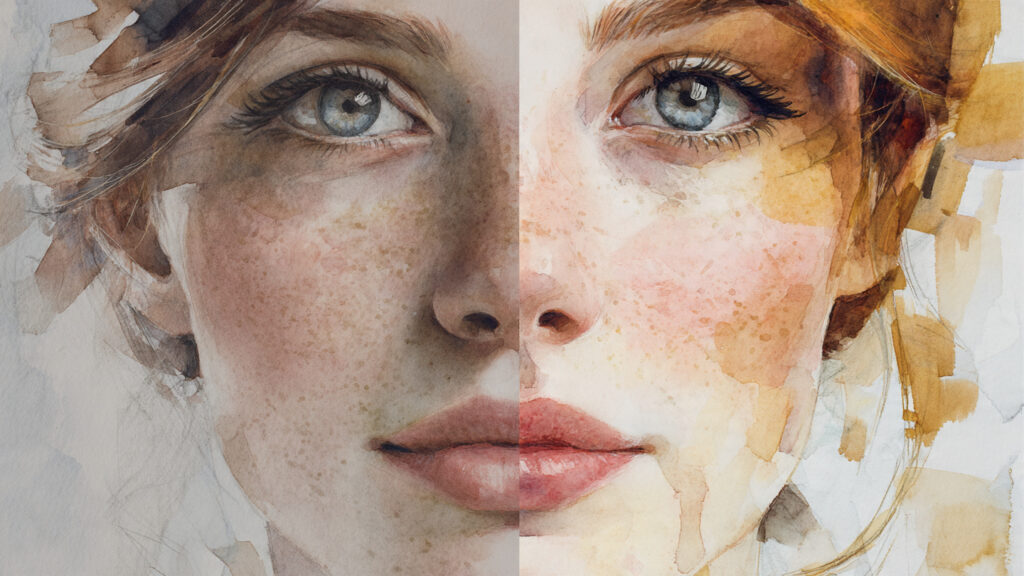
As beginners progress, they often encounter challenges. Common mistakes in watercolor pencil art include pressing too hard with pencils, using too much water, or skipping color layering. These issues can be fixed by applying light strokes, activating pigments gradually, and allowing layers to dry before adding more color. Learning how to layer colors effectively in watercolor pencil art is key to creating vibrant and realistic artwork.
8. Watercolor Pencil Art vs Watercolor Paint: Key Differences Explained
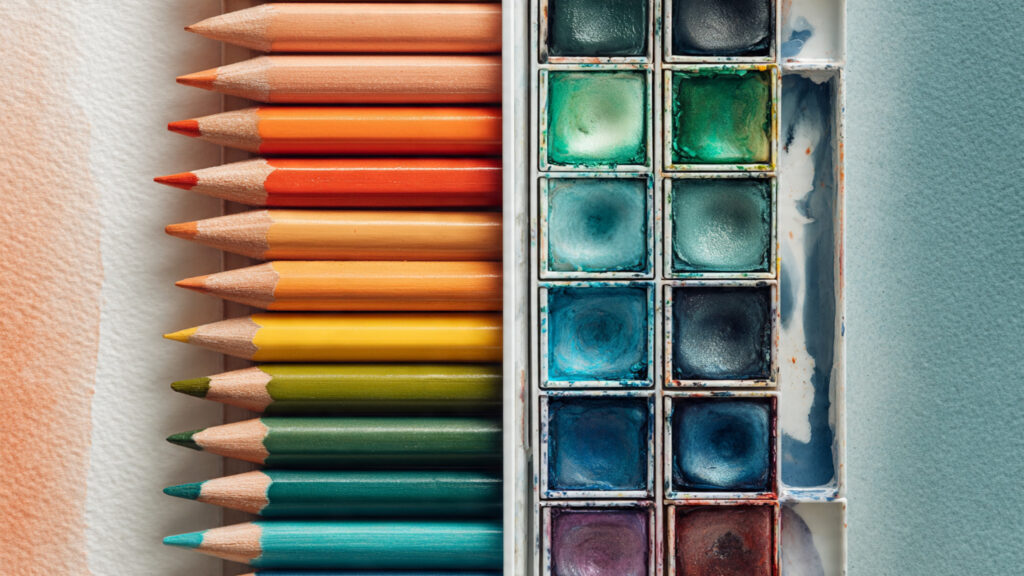
Many artists wonder about watercolor pencil art vs watercolor paint and which is better. Watercolor pencils offer more control and precision, making them perfect for beginners, while watercolor paints provide looser and more expressive effects. Understanding the key differences helps artists choose the medium that best suits their style, or even combine both for mixed-media artwork.
9. Nature-Inspired Watercolor Pencil Art: Flowers, Leaves, and Landscapes
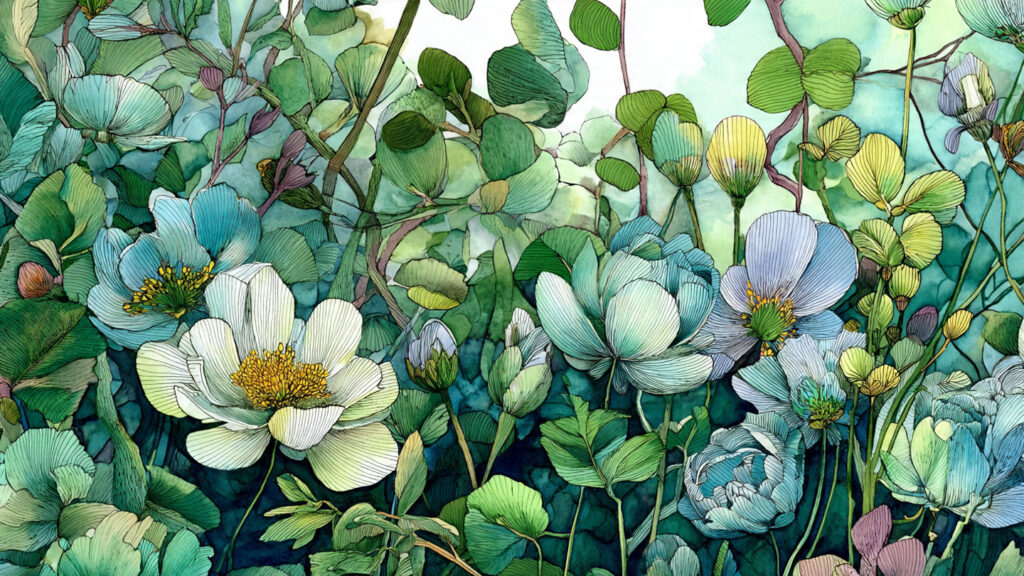
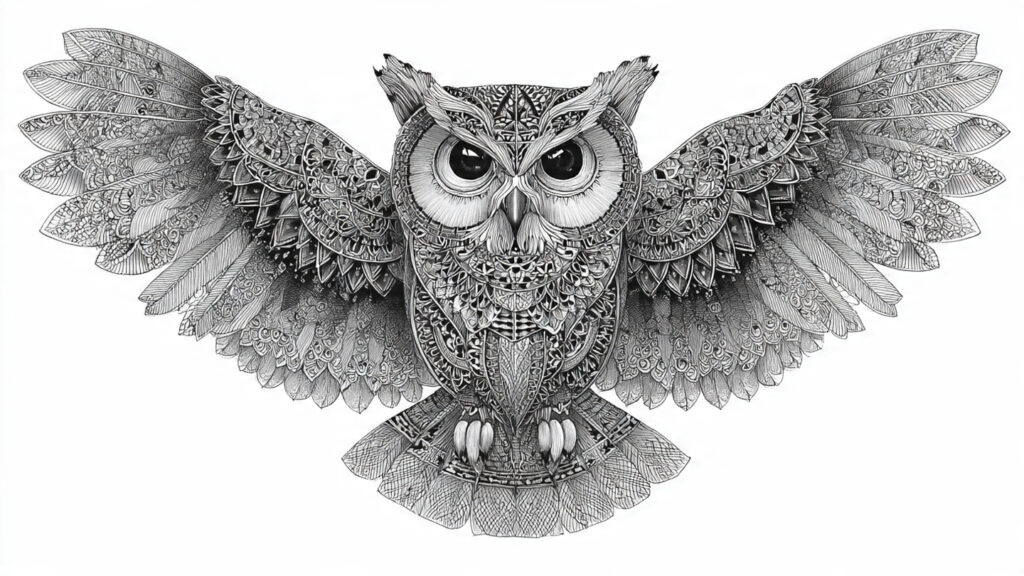
For artists aiming to advance, realistic watercolor pencil art techniques focus on depth, texture, and layering. Building up colors slowly, adding fine details after blending, and using dry pencil strokes on textured paper can create stunning realism. These methods are especially effective for fur, feathers, and natural surfaces.
Watercolor pencil art is an expressive and versatile medium that allows artists to develop strong drawing and coloring skills while enjoying the softness of watercolor effects. For beginners and hobby artists, practicing creative watercolor pencil art ideas is one of the best ways to boost drawing confidence and artistic control. This medium is especially helpful for learning precision, shading, blending, and realistic texture without the complexity of traditional watercolor paints.
10. Creative Watercolor Pencil Art Ideas to Boost Your Drawing
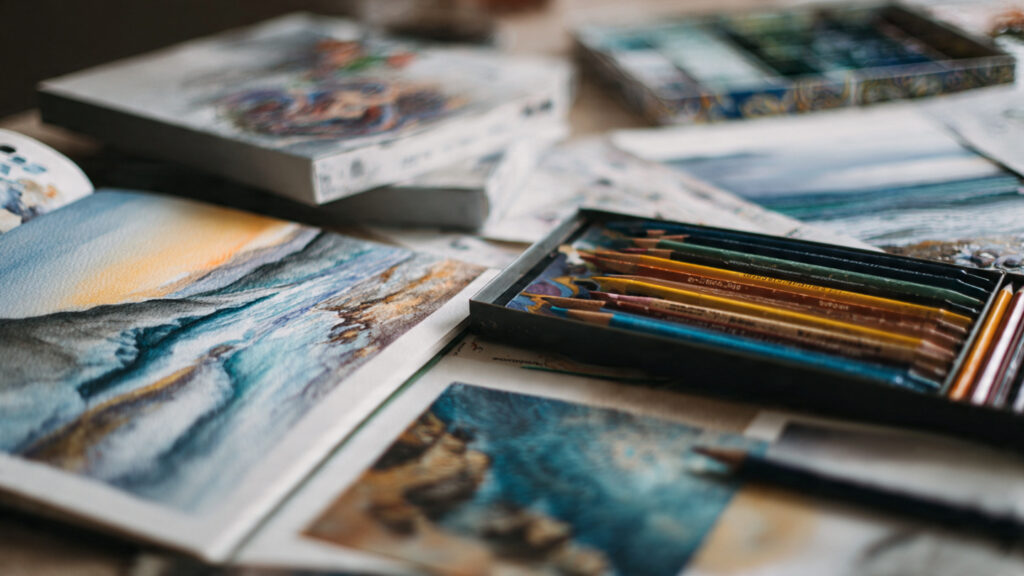
Exploring creative watercolor pencil art ideas to boost your drawing skills helps artists break out of routine practice. Drawing everyday objects, simple still-life compositions, or abstract patterns using watercolor pencils encourages experimentation with color intensity and water control. Nature themes such as animals, leaves, flowers, and landscapes are particularly effective because they allow natural color blending and forgiving shapes. These creative exercises improve observation skills and hand coordination while keeping practice enjoyable.
11. Skills Step-by-Step Animal Drawings Using Watercolor Pencil Art
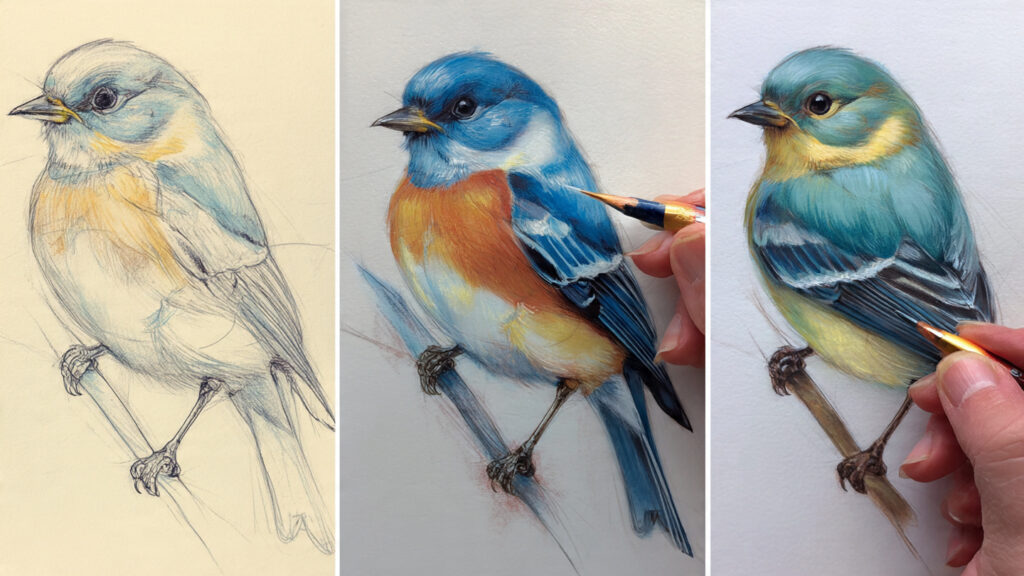
One of the most engaging practice methods is step-by-step animal drawings using watercolor pencil art. Animals provide an excellent opportunity to learn form, shading, and texture. Beginners can start with simple animals like birds, butterflies, fish, or cats by sketching light outlines first, then adding base colors gently. After activating the pigment with a damp brush, additional pencil layers can be applied once the surface dries. This step-by-step approach makes animal drawings less intimidating and helps artists understand how watercolor pencil layers work together.
12. Watercolor Pencil Art Tips for Smooth Blending and Shading Realistic
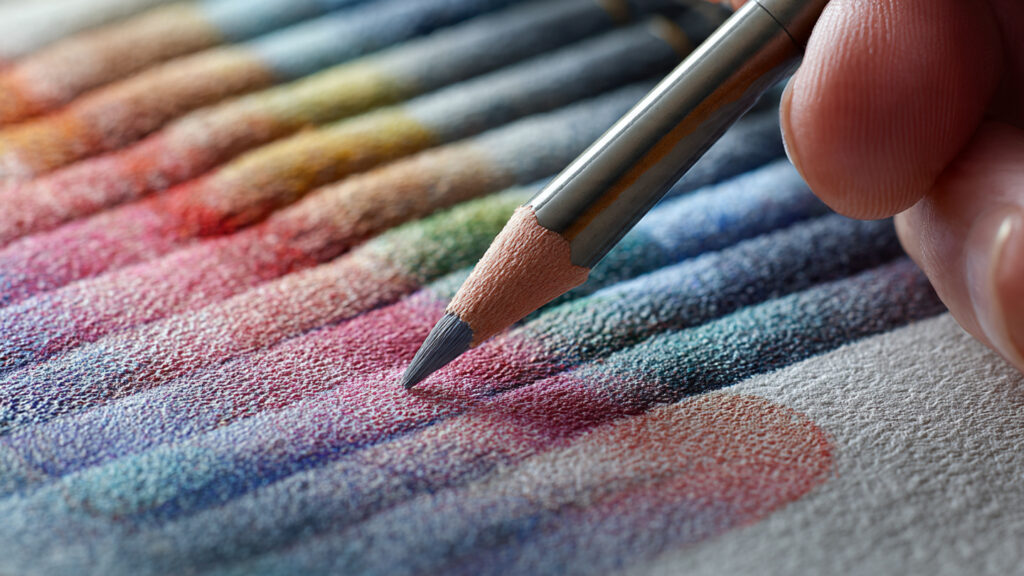
Mastering watercolor pencil art tips for smooth blending and shading is essential for achieving polished results. Smooth blending starts with light pencil pressure and minimal water. Using too much water can wash away pigment and damage the paper. Instead, blending should be done slowly with a soft brush, working from light to dark tones. Shading becomes more effective when multiple light layers are built gradually rather than applying heavy color at once. These techniques help artists achieve clean transitions and natural shadows.
13. Realistic Watercolor Pencil Art: Techniques for Depth and Texture
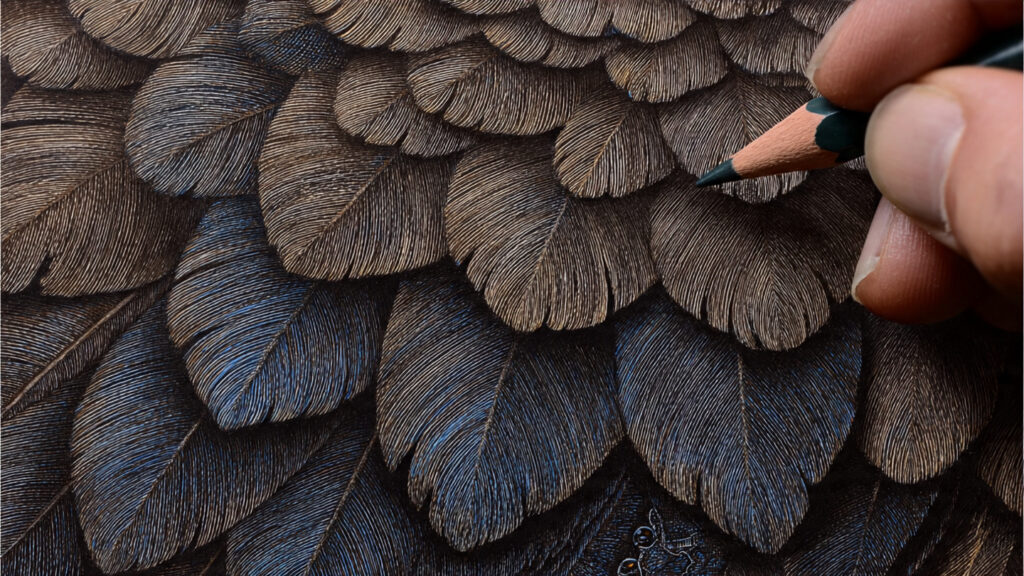
For artists aiming to elevate their work, realistic watercolor pencil art techniques for depth and texture are crucial. Realism in watercolor pencil art comes from careful layering, attention to light sources, and surface texture. Adding depth involves creating contrast between highlights and shadows while preserving fine details. Texture can be enhanced by applying dry pencil strokes over dried blended areas, which works especially well for fur, feathers, wood, and fabric. These techniques allow artists to create lifelike watercolor pencil artwork with rich visual depth.
14. How to Layer Colors Effectively in Watercolor Pencil Art
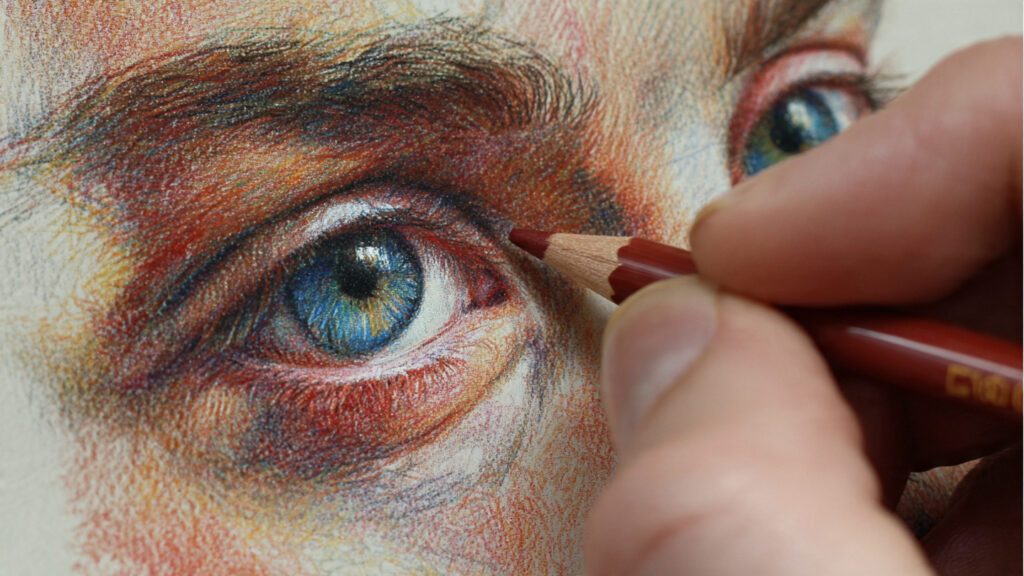
Understanding how to layer colors effectively in watercolor pencil art is one of the most important skills for beginners. Effective layering begins with light colors and gradually moves toward darker shades. Each layer should be allowed to dry before applying the next to prevent muddy results. Complementary colors can be layered subtly to add realism and vibrancy. This controlled approach to layering helps artists maintain clarity while achieving complex color effects.
15. Beginner-Friendly Watercolor Pencil Art Exercises for Daily Practice

Daily practice plays a major role in artistic improvement, and beginner-friendly watercolor pencil art exercises for daily practice make skill-building manageable. Simple exercises such as color gradients, shading spheres, texture swatches, and quick sketches improve consistency and confidence. Short daily sessions focusing on blending, layering, or shading are more effective than occasional long practice sessions. Over time, these exercises build muscle memory and a strong understanding of watercolor pencil behavior.
Watercolor pencil art also encourages patience and observation, making it ideal for stress-free creative practice. Unlike traditional watercolor painting, watercolor pencils offer more control, allowing beginners to fix mistakes easily and refine details. This balance of flexibility and precision makes watercolor pencil art perfect for artists who want to develop both drawing and painting skills simultaneously.
In conclusion, watercolor pencil art is an accessible and rewarding medium for beginners and hobby artists alike. With the right materials, consistent practice, and an understanding of blending, layering, and common mistakes, anyone can create beautiful watercolor pencil artwork. Whether you’re exploring nature-inspired themes, practicing daily exercises, or experimenting with creative ideas, watercolor pencil art offers endless possibilities to grow your artistic skills and express your creativity.
FAQ’s About Watercolor Pencil Art
Watercolor pencil art uses special pencils that behave like colored pencils when dry and transform into watercolor paint when activated with water. Unlike regular colored pencils, watercolor pencils allow smooth blending, soft washes, and painterly effects, making them ideal for beginners who want both control and fluidity in their artwork.
Yes, watercolor pencil art is very beginner-friendly. The medium allows easy correction, controlled application, and gradual learning of blending and shading techniques. Beginners can start with simple sketches, light coloring, and minimal water to build confidence before moving on to more advanced techniques.
Thick watercolor paper, preferably 200–300 GSM, is best for watercolor pencil art. This type of paper can handle water without warping and helps achieve smoother blending. Cold-pressed paper is especially suitable for beginners because it provides texture and absorbs water evenly.
To avoid muddy colors, apply light layers first, use minimal water, and let each layer dry before adding more color. Avoid mixing too many colors at once and clean your brush between blends. Proper layering and patience are key to clean, vibrant watercolor pencil artwork.
Beginner-friendly daily practice includes simple exercises like color gradients, shading circles, leaf studies, and quick animal sketches. Short, consistent practice sessions help improve blending, layering, and color control while keeping the learning process enjoyable and stress-free.