Zentangle Drawing Art: Easy Patterns and Creative Ideas for Beginners
Zentangle drawing art is a relaxing, creative, and easy-to-learn form of artistic expression that anyone can enjoy—no prior drawing skills required. Whether you are a beginner artist, a student, or someone looking for a stress-relieving hobby, Zentangle art offers a simple yet powerful way to explore creativity through structured patterns.
In this blog, we’ll explore what Zentangle drawing art is, why it’s perfect for beginners, easy patterns to start with, creative ideas, tools required, and helpful tips to improve your Zentangle skills.
What Is Zentangle Drawing Art?
Zentangle is a method of creating beautiful images using repetitive, structured patterns called tangles. Developed by Rick Roberts and Maria Thomas, Zentangle focuses on mindfulness, relaxation, and creativity rather than perfection.
Unlike traditional drawing, Zentangle art:
- Does not require sketching skills
- Has no right or wrong outcome
- Encourages freehand pattern creation
- Promotes calmness and focus
Each design is made by combining simple lines, curves, dots, and shapes into visually appealing patterns.

Why Zentangle Art Is Perfect for Beginners
Zentangle drawing art is ideal for beginners for several reasons:
1. No Drawing Experience Needed
You don’t need to know anatomy, perspective, or shading. Simple lines are enough.
2. Stress Relief and Mindfulness
The repetitive nature of patterns helps reduce stress and anxiety, making Zentangle a form of art therapy.
3. Low-Cost Art Form
All you need is paper and a pen to get started.
4. Boosts Creativity
Zentangle helps you think creatively without pressure, improving artistic confidence over time.
Basic Tools Required for Zentangle Drawing
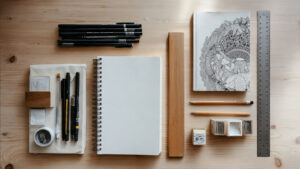
You can begin Zentangle art with minimal supplies:
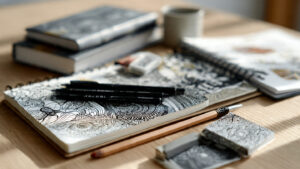
- Plain white paper or sketchbook
- Black fine-liner pen (0.3 or 0.5 recommended)
- Pencil (for guidelines or shading)
- Eraser
- Optional: colored pens or markers
As a beginner, focus more on practice than expensive materials.
Easy Zentangle Patterns for Beginners
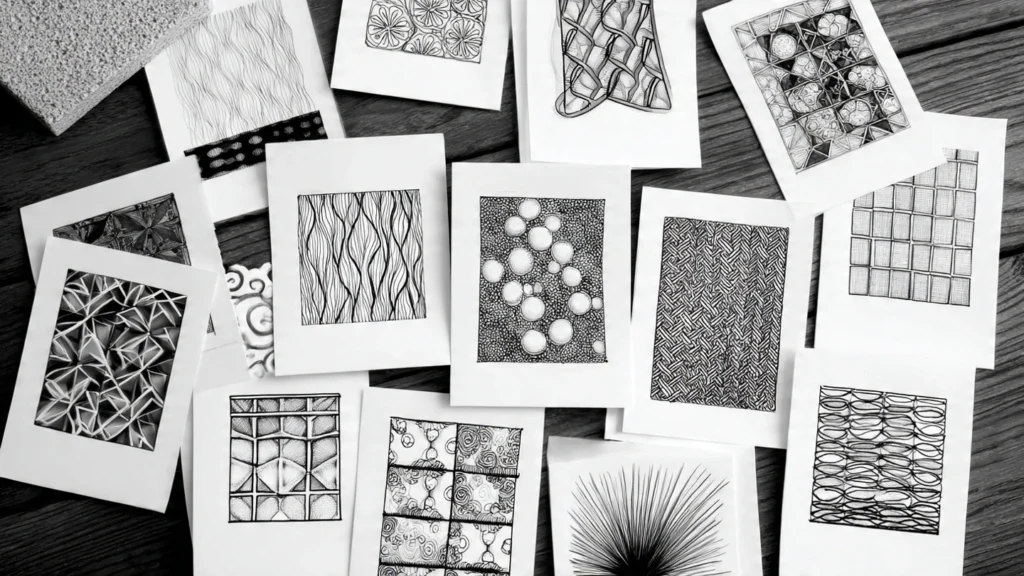
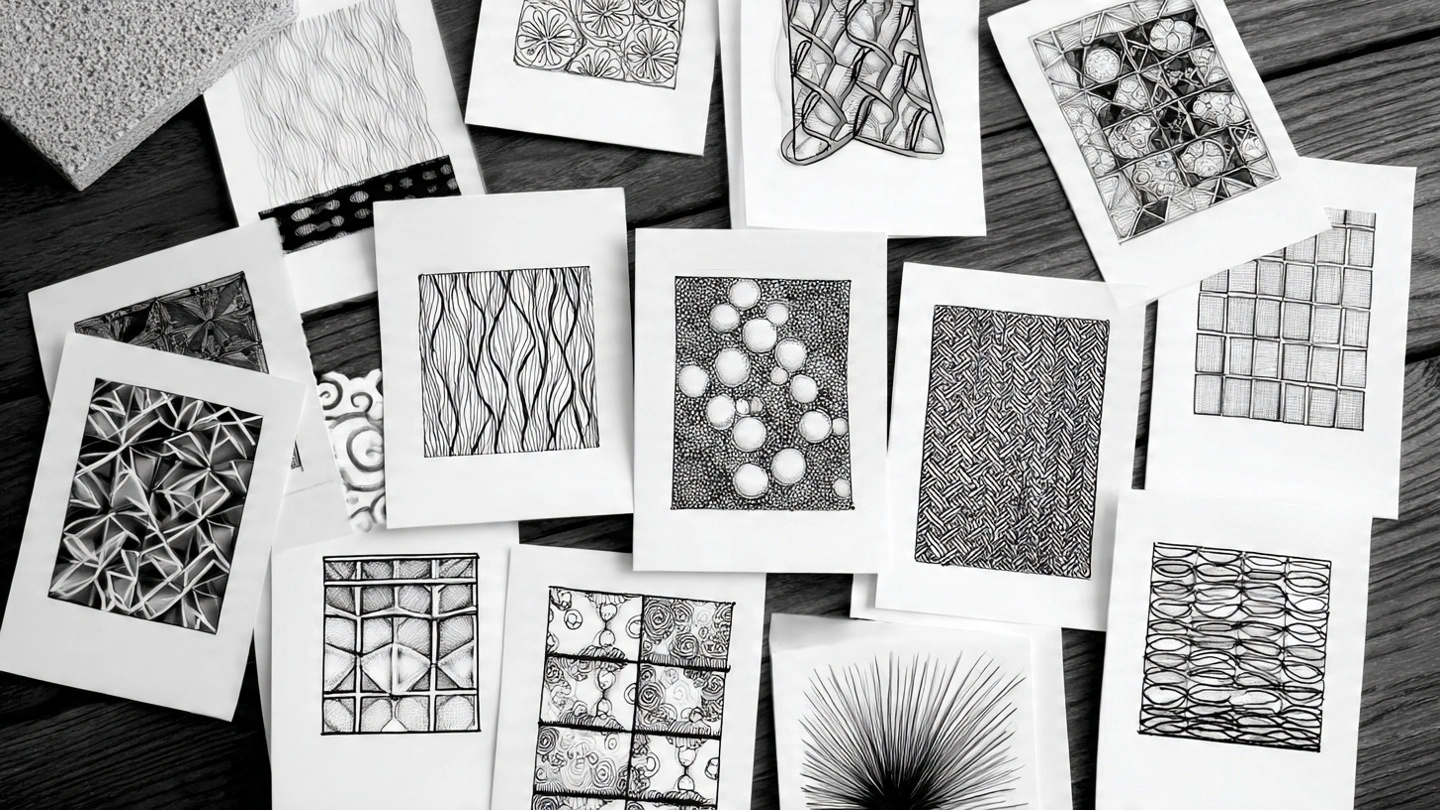
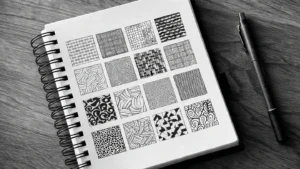
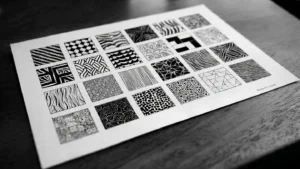
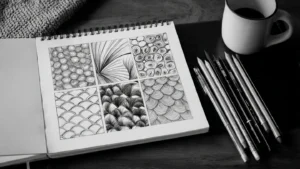
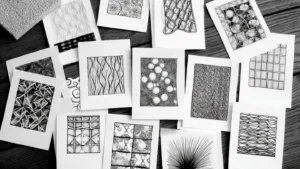
Here are some simple and popular Zentangle patterns you can start with:
1. Dots and Lines
Begin by placing dots randomly and connecting them with straight or curved lines. This forms the base for many patterns.
2. Hollibaugh Pattern
A simple pattern using overlapping ribbon-like lines. It teaches depth and layering.
3. Crescent Moon
Draw repeated crescent shapes along a curved line. This pattern is easy and visually pleasing.
4. Bales
Create parallel lines divided into sections, then add curves inside each section.
5. Florz
Simple flower-based patterns using petal shapes and dots.
These patterns are easy to remember and help beginners gain confidence quickly.
Step-by-Step Guide to Creating Your First Zentangle: Follow these simple steps to create your first Zentangle artwork:
Draw a Border
Lightly draw a square or any shape as your boundary.
- Create a String
Inside the border, draw random flowing lines to divide the space into sections. - Fill with Patterns
Choose different Zentangle patterns and fill each section. - Add Details
Enhance patterns with dots, line thickness, or small curves. - Apply Shading
Use a pencil to add light shading for depth and contrast. - Enjoy the Process
There’s no erasing mistakes—embrace imperfections.
Creative Zentangle Drawing Ideas
Once you’re comfortable with basic patterns, try these creative ideas:
1. Zentangle Animals
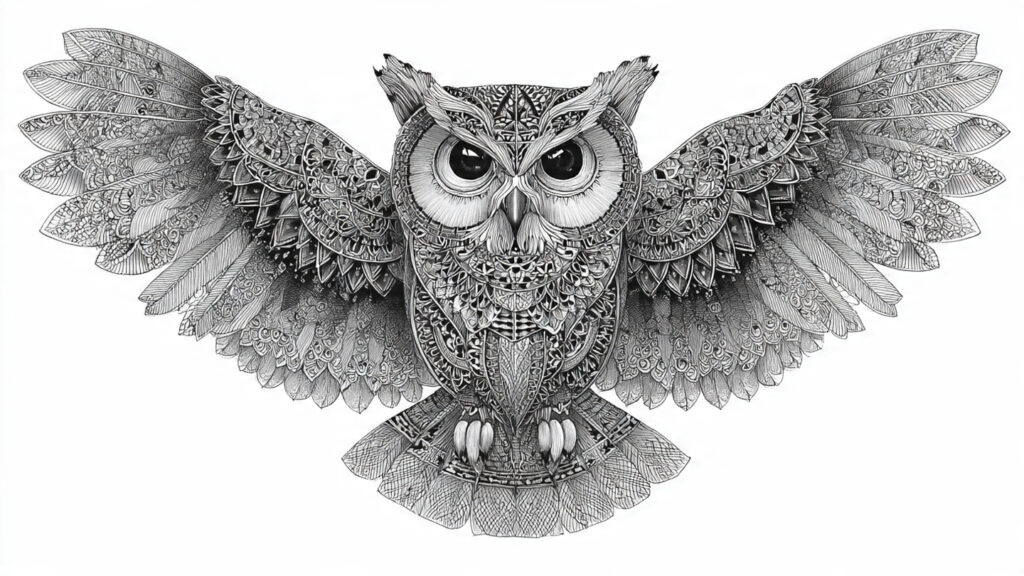
Create animals like owls, elephants, or cats filled with Zentangle patterns.
2. Zentangle Mandalas
Combine symmetry and Zentangle patterns for calming circular designs.
3. Zentangle Letters and Names
Design alphabets or your name using Zentangle patterns—perfect for posters or gifts.
4. Zentangle Nature Art
Leaves, flowers, feathers, and trees look stunning with intricate patterns.
5. Colored Zentangle Art
Add colors using markers, watercolor, or pencils for a vibrant effect.
Zentangle Art for Relaxation and Mental Health
Zentangle is widely appreciated for its therapeutic benefits:
- Improves focus and concentration
- Reduces stress and anxiety
- Encourages mindfulness
- Enhances fine motor skills
- Builds patience and self-confidence
Many artists and educators use Zentangle in classrooms and therapy sessions for mental wellness.
Common Mistakes Beginners Should Avoid
- Trying to make designs perfect
- Overcrowding patterns
- Pressing the pen too hard
- Comparing your art with others
- Rushing the process
Remember, Zentangle is about enjoyment, not perfection.
Tips to Improve Your Zentangle Skills
- Practice daily, even for 10 minutes
- Learn one new pattern at a time
- Keep a Zentangle pattern journal
- Watch tutorials and study pattern references
- Experiment with different line weights and shading
Consistency is the key to improvement.
Zentangle Drawing for Students and Artists
Zentangle art is especially helpful for:
- Art students learning design principles
- Beginners exploring drawing
- Artists looking for creative inspiration
- Bloggers and content creators
- DIY art lovers
It’s also a great addition to art-focused platforms like ArtistryLand, where creativity and learning go hand in hand.
Conclusion
Zentangle drawing art is a simple yet powerful way to explore creativity, relax your mind, and develop artistic confidence. With easy patterns, minimal tools, and endless creative possibilities, it’s the perfect art form for beginners.
Whether you practice Zentangle for relaxation, personal growth, or artistic development, every stroke adds value to your journey. Start today, enjoy the process, and let your creativity flow one pattern at a time.