7 Ink Painting Techniques Artists Must Learn Today
Ink painting is one of the most expressive and timeless art forms, blending simplicity with powerful visual storytelling. From ancient East Asian traditions to modern experimental illustration, ink painting continues to evolve and inspire artists across the world. This in-depth guide explores seven essential ink painting techniques every artist must learn today, whether you’re a beginner exploring ink for the first time or an experienced artist looking to refine your skills. You’ll discover how different techniques affect mood, texture, depth, and movement, along with practical tips, tools, and creative applications. By mastering these techniques, you can unlock the full potential of ink as a medium and elevate your artistic voice with confidence and control.
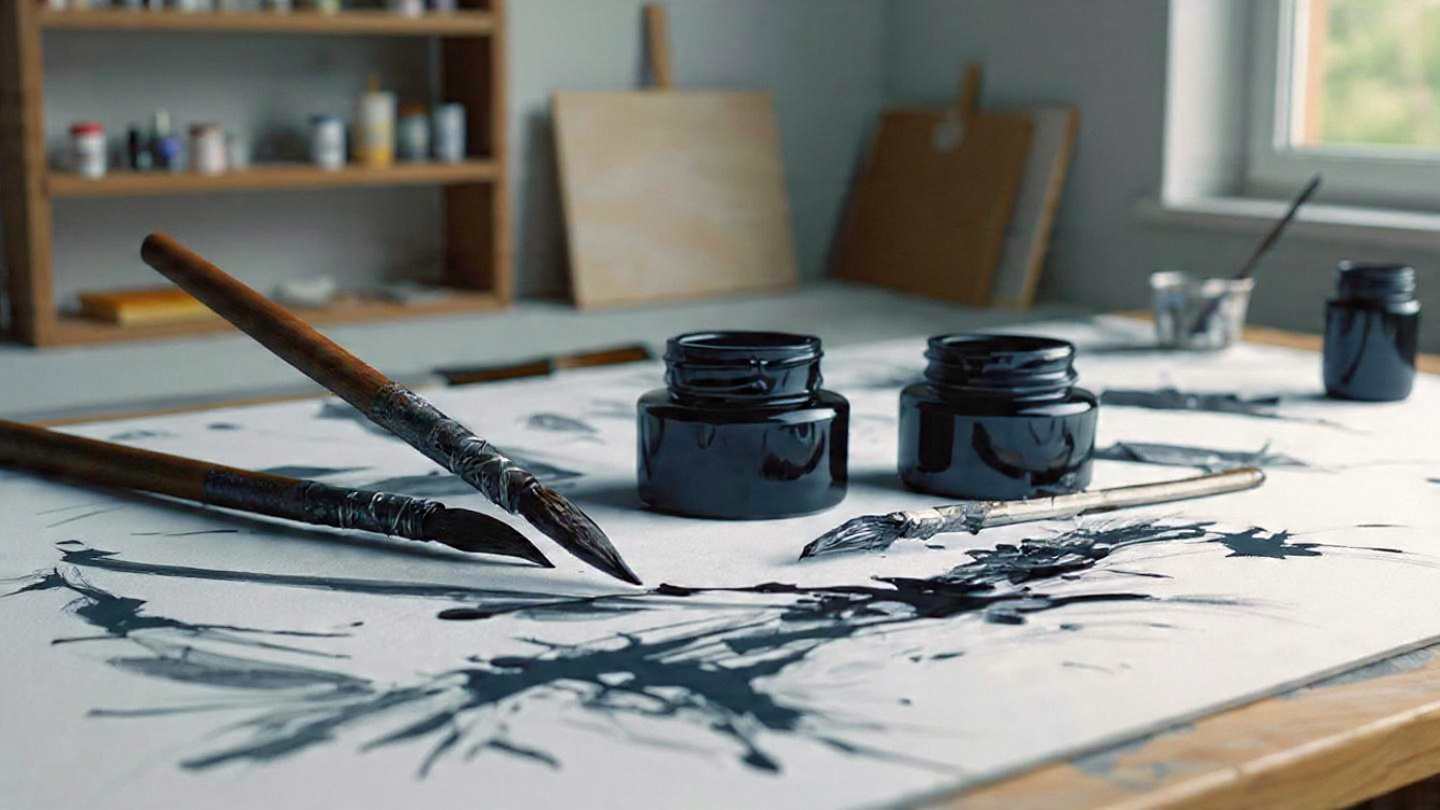
Introduction: Why Ink Painting Still Matters Today
Ink painting has survived centuries of artistic evolution—and for good reason. Its bold contrasts, fluid lines, and raw expressiveness allow artists to communicate emotion with remarkable efficiency. Unlike heavily layered mediums, ink demands intention. Every stroke matters. Every pause speaks. Today’s artists are rediscovering ink painting not only for traditional artworks but also for illustrations, graphic design, tattoo art, mixed media, and even digital workflows inspired by ink aesthetics. Learning the right techniques can transform ink from a “simple” medium into a powerful storytelling tool. Let’s explore the seven ink painting techniques every artist should master today.
1. Line Control Technique
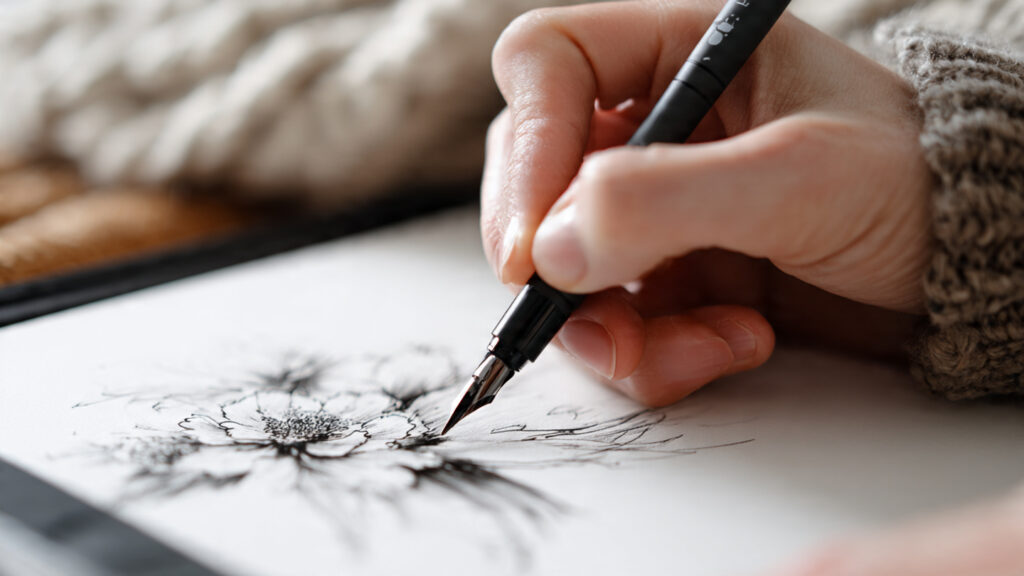
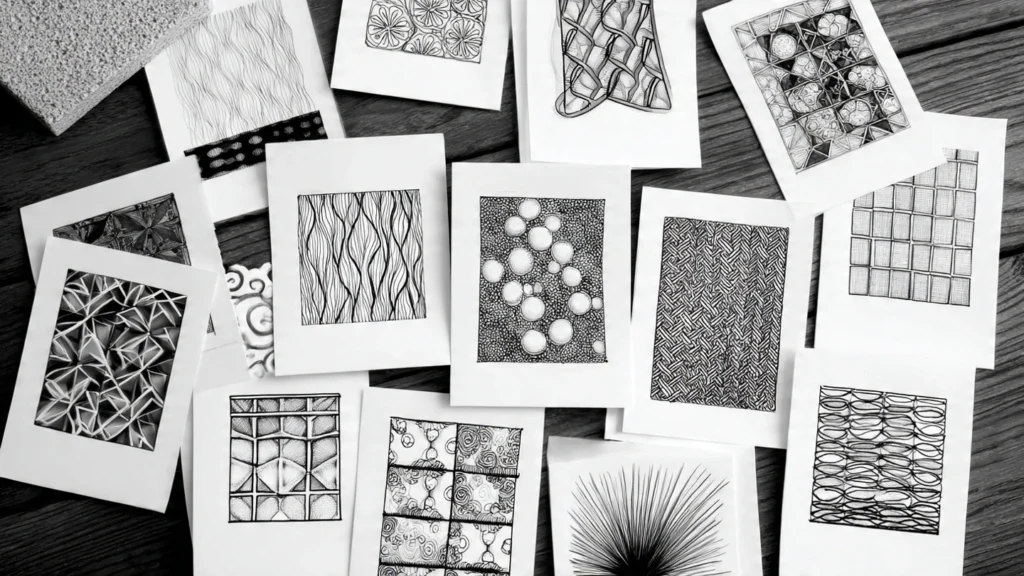
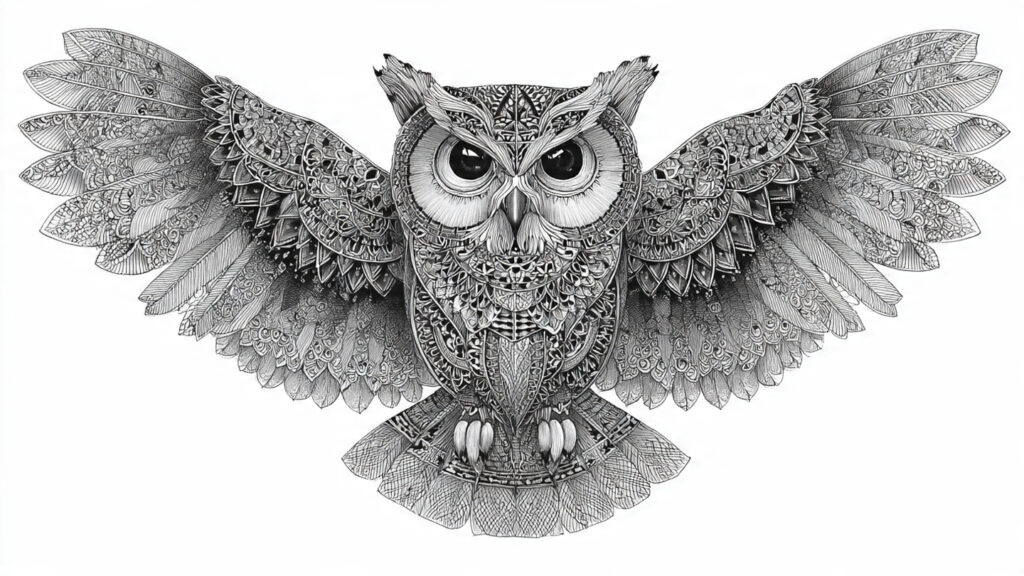
Line control is the foundation of all ink painting techniques and one of the most important skills an artist can master. It focuses on the ability to create clean, intentional, and expressive lines using varying pressure and movement. Strong line control allows artists to define shapes, outlines, and details with clarity and confidence. In ink art, lines communicate mood and structure without relying on color. Thick lines can express strength and movement, while thin lines add delicacy and precision. Because ink cannot be erased, mastering line control helps artists reduce hesitation and improve overall composition quality. Artists can improve their line control by practicing slow, deliberate strokes and experimenting with various tools, such as dip pens, brush pens, and fine liners. Regular exercises like drawing straight lines, curves, and continuous forms greatly enhance hand stability and ink flow consistency.
2. Ink Wash Technique
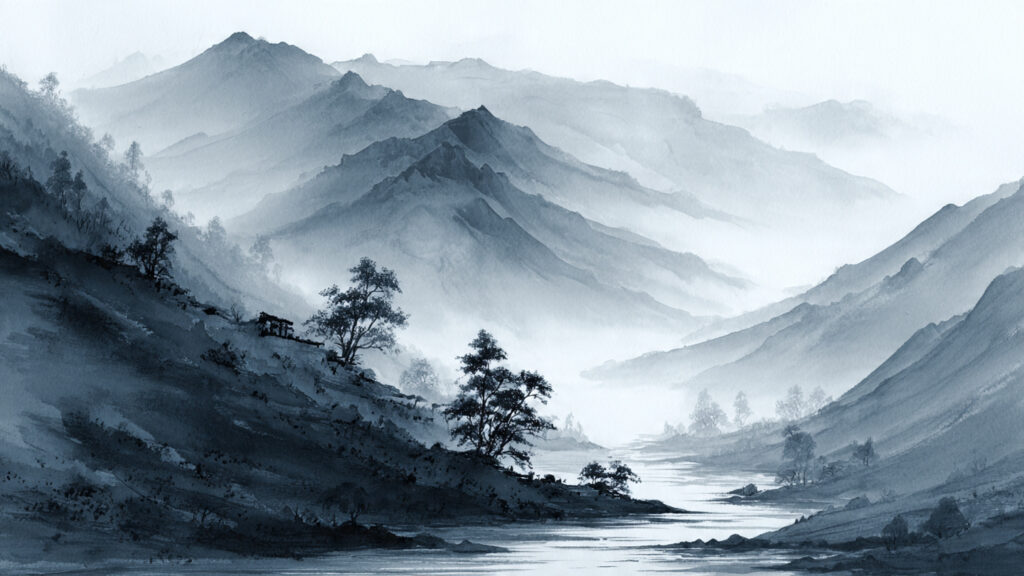
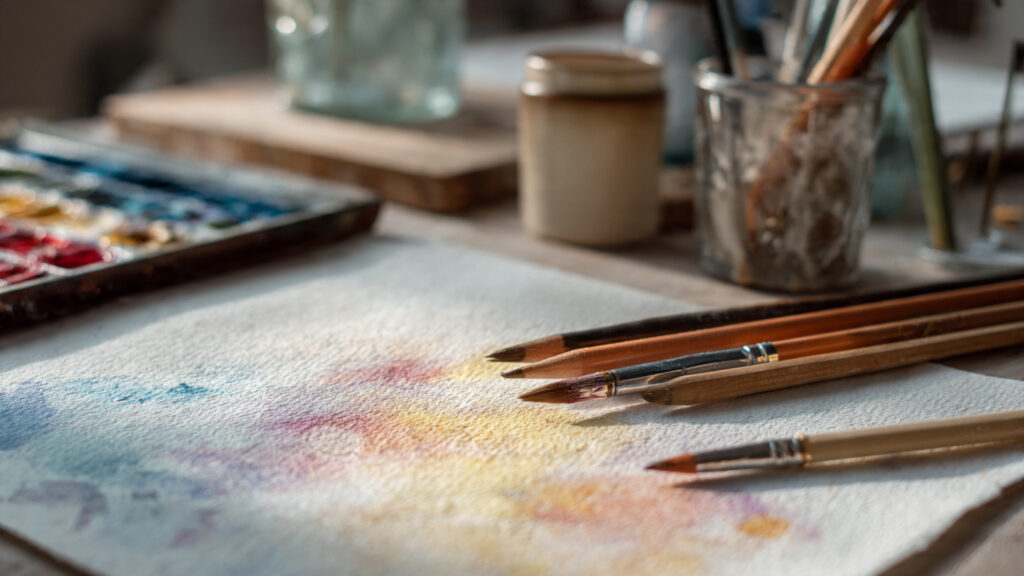
The ink wash technique involves diluting ink with water to create soft gradients and tonal variations. This technique is widely used in traditional ink painting and is ideal for adding depth, atmosphere, and emotion to artwork. Ink washes allow artists to move beyond flat lines and explore subtle shading. By adjusting water-to-ink ratios, artists can create light, airy tones or deep, dramatic shadows. Ink wash painting is especially effective for landscapes, backgrounds, and expressive portraits where mood plays a central role. The fluid nature of washes encourages organic movement and natural transitions. To master ink wash techniques, artists should focus on layering and timing. Allowing each layer to dry before applying the next prevents muddy textures and maintains clarity. Practicing on absorbent paper helps artists understand how ink spreads and settles naturally.
3. Dry Brush Technique
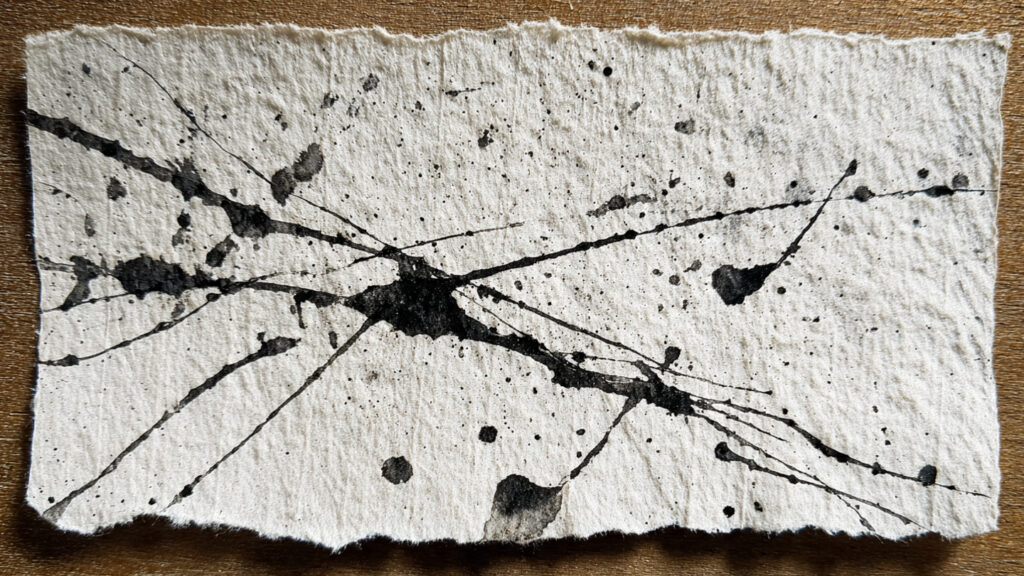
The dry brush technique uses minimal ink and water to create rough, textured strokes. Unlike smooth washes, this technique highlights the surface of the paper and produces broken, expressive marks. It is particularly effective for adding texture and visual interest to ink paintings. Dry brush strokes are often used to depict natural elements such as tree bark, rocks, hair, or fabric. The irregular texture adds realism and energy, making the artwork feel dynamic and tactile. This technique is especially popular in expressive and nature-inspired ink art. Artists can practice dry brush techniques by removing excess ink from the brush before applying it to paper. Using rough or textured paper enhances the effect, allowing the brush to skip across the surface and create unique patterns with every stroke.
4. Splatter and Drip Technique
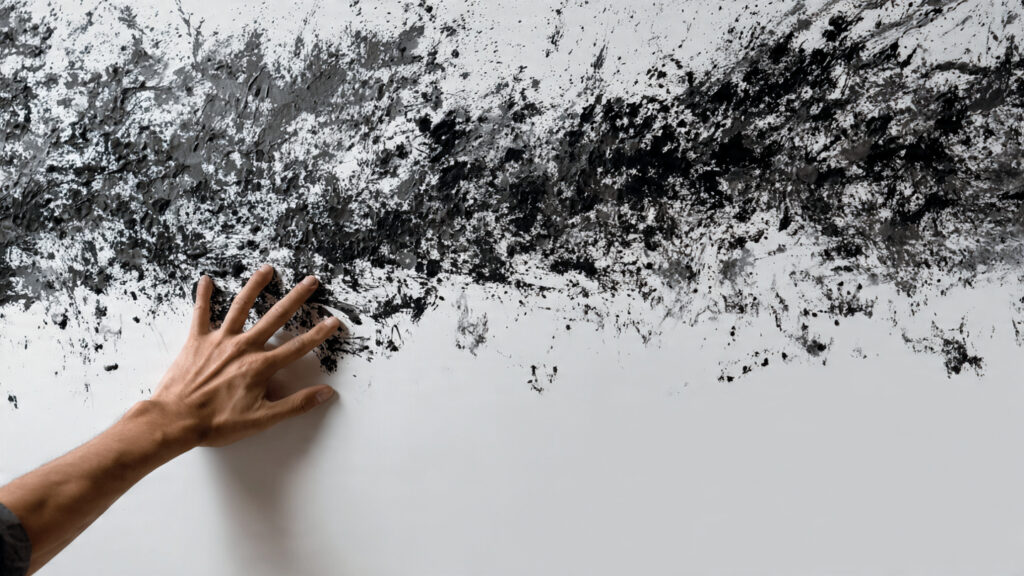
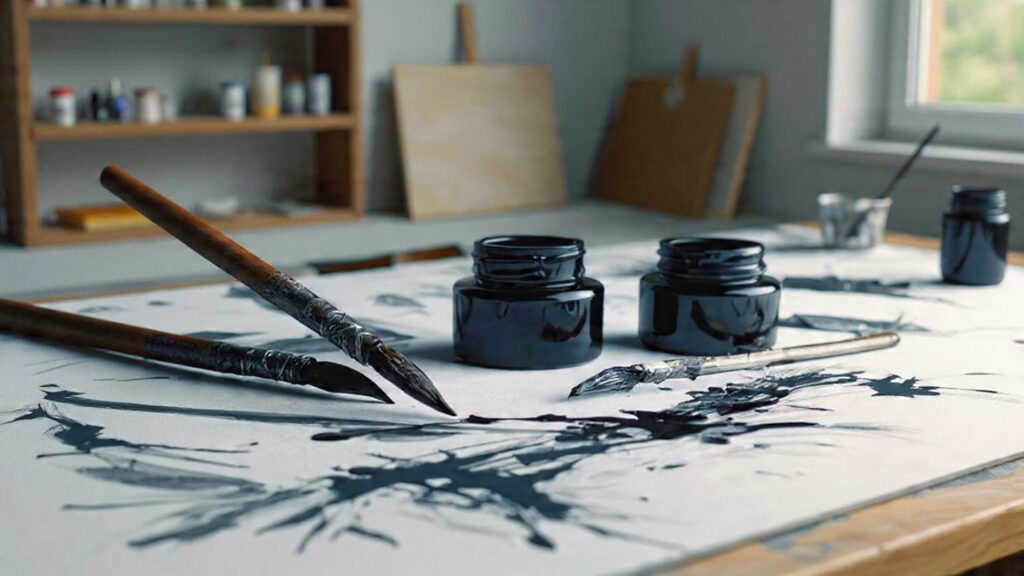
The splatter and drip technique introduces spontaneity and controlled chaos into ink painting. By flicking ink or allowing it to drip naturally, artists create unpredictable patterns that add movement and emotional intensity to their artwork. This technique embraces imperfection as part of the creative process. Ink splatter techniques are commonly used in contemporary and abstract art styles. They bring energy, rhythm, and visual excitement, making compositions feel alive and expressive. When balanced with structured elements, splatters can enhance storytelling and visual impact. Artists should experiment with brush sizes, ink thickness, and motion to control splatter effects. Practicing restraint is key—too much splatter can overwhelm a piece, while subtle applications can dramatically elevate composition and texture.
5. Negative Space Technique
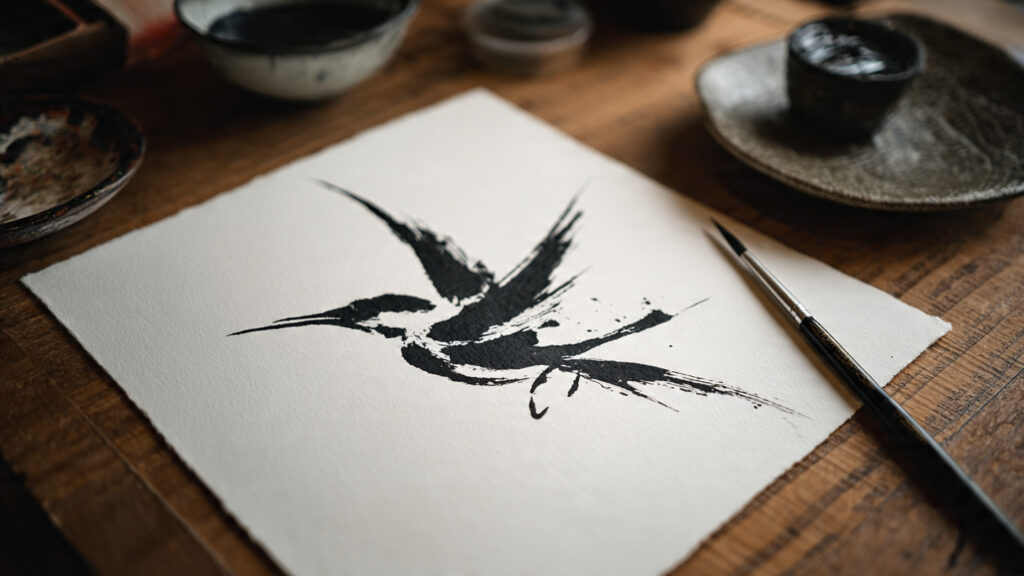
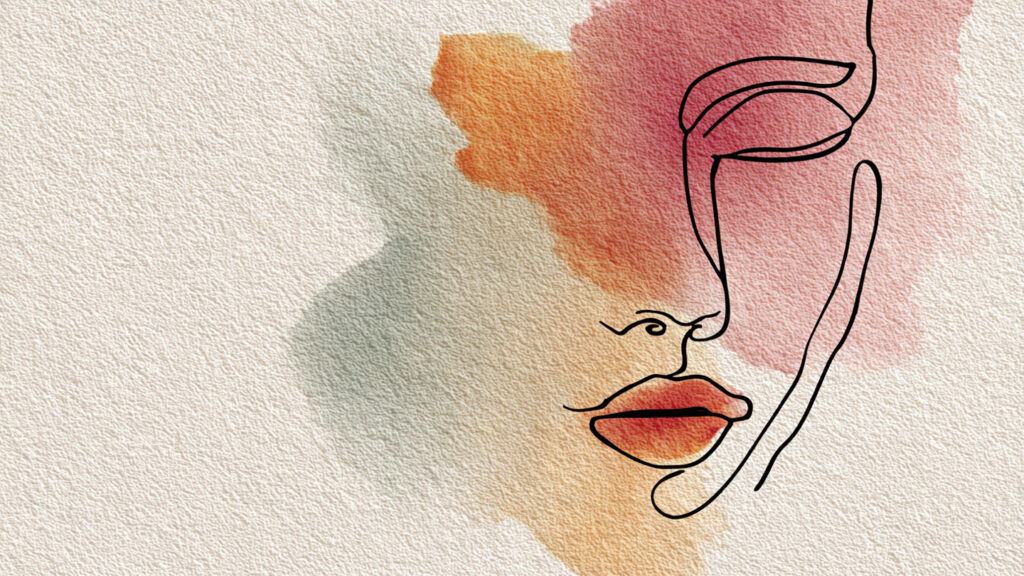
Negative space is a powerful ink painting technique where untouched areas of paper form part of the composition. Instead of filling every shape with ink, artists strategically leave blank spaces to define forms and enhance visual balance. This approach creates clean, elegant, and impactful artwork. Using negative space encourages viewers to engage more deeply with the artwork, mentally completing shapes and forms. This technique is widely used in minimalist ink paintings, animal illustrations, and botanical art, where simplicity strengthens visual storytelling. Artists can improve their negative space technique by planning compositions carefully and resisting the urge to overwork the page. Thinking in terms of shapes rather than outlines helps create harmonious designs that feel intentional and refined.
6. Layering Technique
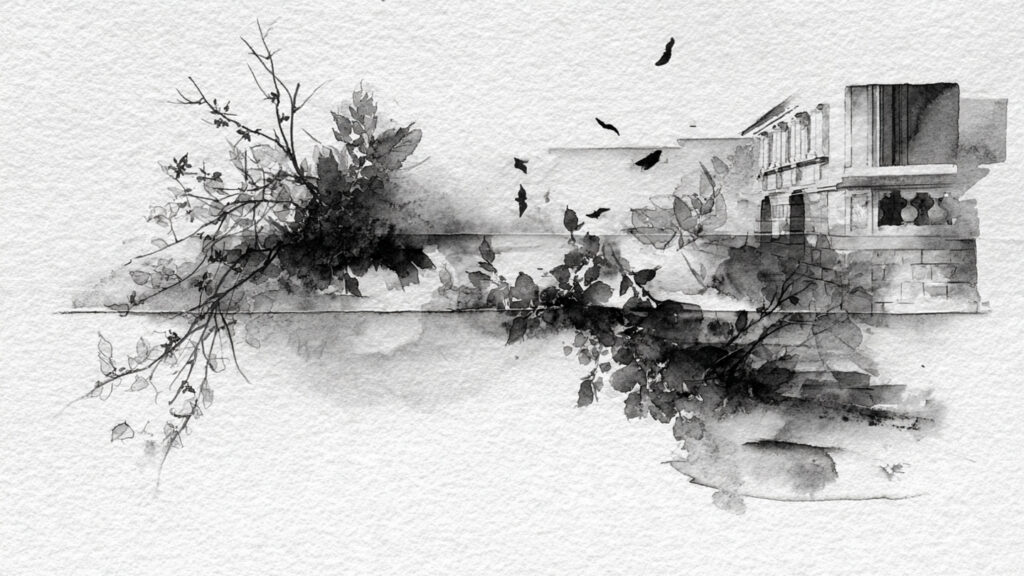
Layering in ink painting involves building depth through multiple transparent applications of ink. This technique allows artists to create rich tonal variations without losing the lightness and clarity that ink provides. Each layer adds dimension while maintaining visual harmony. Layering is especially effective for detailed illustrations, architectural drawings, and portraits. By gradually darkening areas and refining shapes, artists can achieve depth, shadow, and realism without heavy outlines. Patience is essential, as rushing layers can result in blurred or muddy effects. Artists should allow each ink layer to dry completely before adding the next. Starting with light tones and slowly increasing intensity ensures better control and a more polished final result. Testing ink strength beforehand helps maintain consistency.
7. Expressive Brushstroke Technique
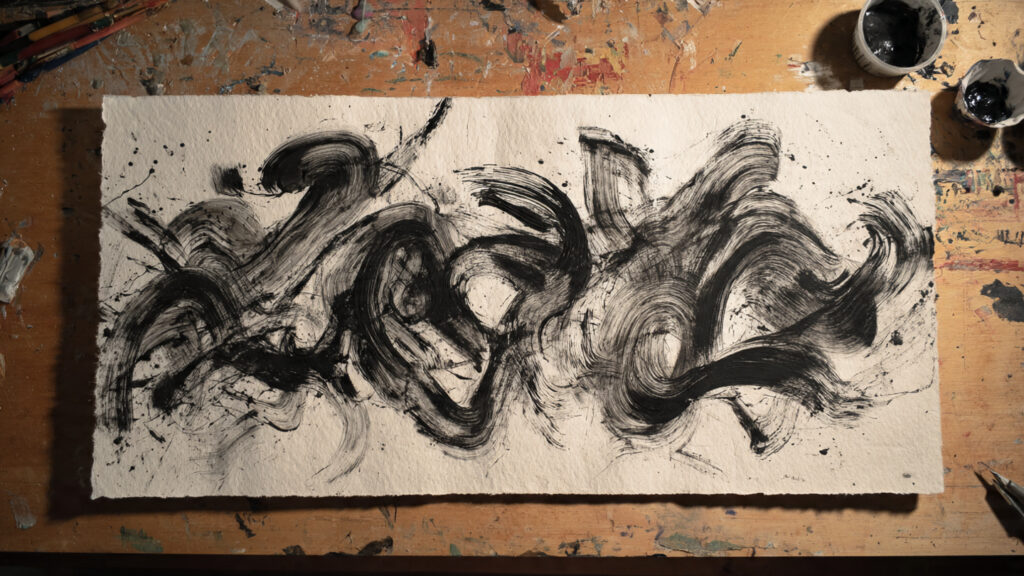
The expressive brushstroke technique focuses on emotion, movement, and spontaneity rather than precision. This approach encourages artists to let go of rigid structure and allow brush movements to guide the artwork. The result is often bold, energetic, and deeply personal. Expressive ink brushwork is commonly seen in traditional Asian ink art and modern abstract painting. Broad strokes, varied pressure, and rapid movement create rhythm and flow, giving the artwork a sense of life and motion. Imperfections become part of the visual language. Artists can practice expressive brushstroke techniques by using larger brushes and painting with their whole arm rather than just the wrist. Working quickly and intuitively helps capture raw emotion and prevents overthinking the composition.
Conclusion
Ink painting is both challenging and deeply rewarding. These seven techniques—from precise line control to expressive brushwork—offer a complete foundation for artists at any level. By practicing and combining them, you can develop a unique visual language that’s bold, emotional, and timeless. Whether you’re sketching daily, creating gallery pieces, or designing modern illustrations, ink painting remains one of the most powerful tools an artist can master. Start with one technique, practice consistently, and let the ink guide your creative journey.