12 Botanical Art Styles Explained
Botanical art is a beautiful and enduring art form that captures the elegance, structure, and life of plants through detailed observation and artistic expression. Rooted in both science and creativity, botanical art goes beyond decorative florals to document leaves, flowers, fruits, and stems with precision and emotion. From traditional scientific illustrations to expressive modern styles, botanical art connects artists with nature while offering viewers a sense of calm, curiosity, and appreciation for the natural world. This in-depth guide explores the history, importance, and major styles of botanical art, explaining each style in clear, concise paragraphs while inspiring artists, beginners, and nature lovers alike.
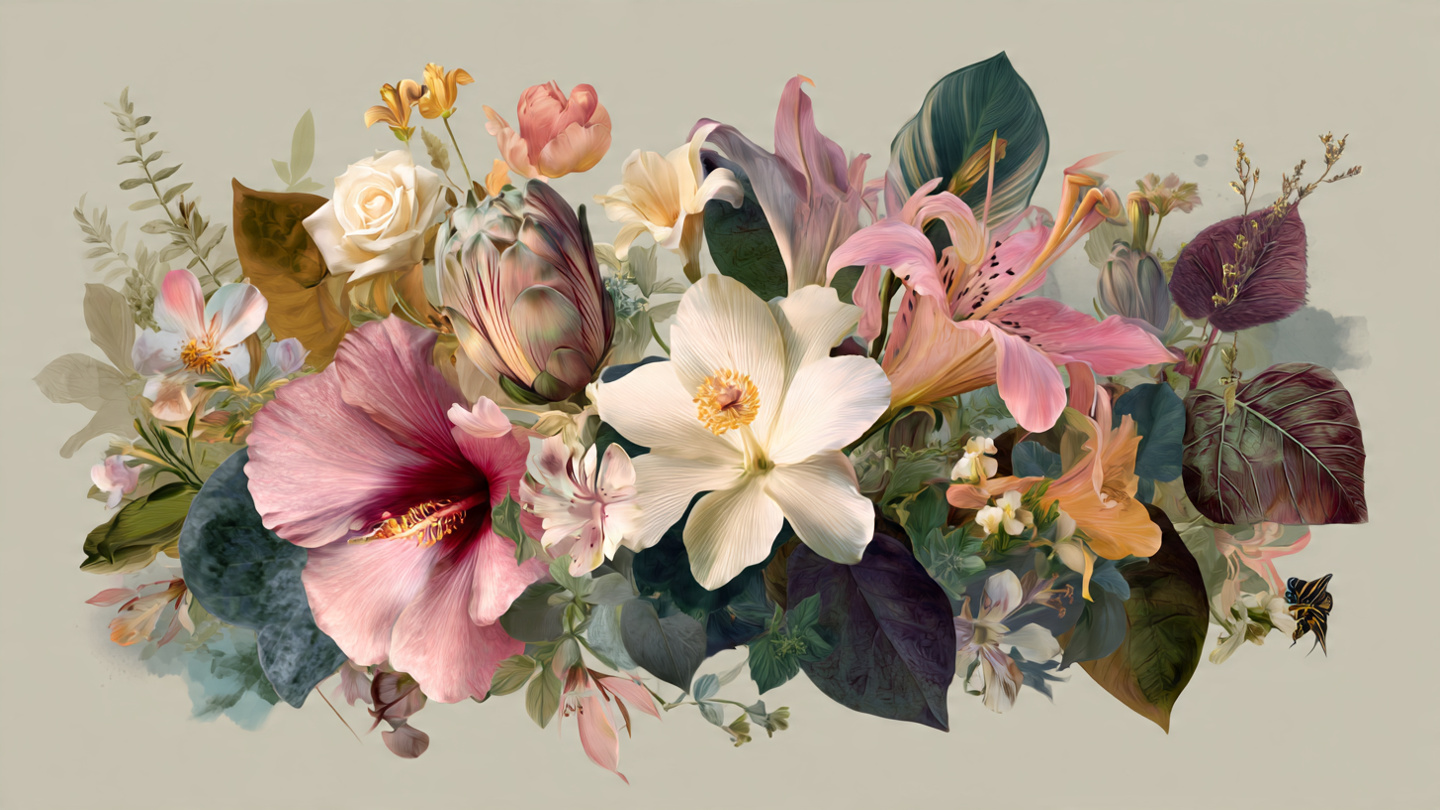
Botanical art has a long history that dates back centuries, originally serving as a vital tool for documenting plant species before photography existed. Early botanical illustrations were created for herbal books and scientific studies, helping physicians and botanists identify medicinal plants. Over time, botanical art evolved from purely scientific documentation into a respected artistic discipline. Today, it combines accuracy with creativity, enabling artists to interpret nature while preserving botanical integrity. The appeal of botanical art lies in its ability to slow us down, encouraging close observation and a deeper connection with the natural environment.
Scientific Botanical Illustration Style Explained
One of the most recognized styles of botanical art is Scientific Botanical Illustration. This style focuses on extreme accuracy, clarity, and detail. Artists carefully observe plant specimens and depict them with correct proportions, textures, and structures, often showing different stages of growth such as buds, flowers, seeds, and roots in one composition. Color accuracy is essential, and there is little room for personal interpretation. This style is commonly used in textbooks, research papers, and botanical journals, making it both educational and artistic.
Traditional Watercolor Botanical Art Style

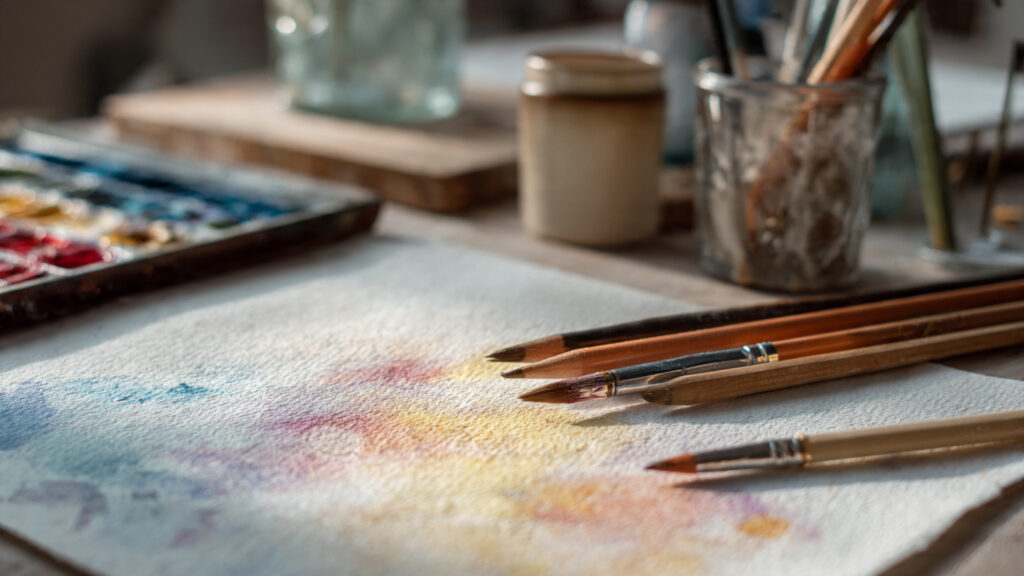
Another popular style is Traditional Watercolor Botanical Art, which is widely loved for its softness and realism. Watercolors allow artists to build translucent layers that mimic the delicate nature of petals and leaves. This style balances accuracy with gentle artistic expression, creating lifelike yet visually pleasing plant portraits. Artists often work on textured paper, using fine brushes to capture veins, gradients, and subtle color changes. Watercolor botanical art is commonly used in art prints, journals, and home décor.
Ink and Line Botanical Art Style
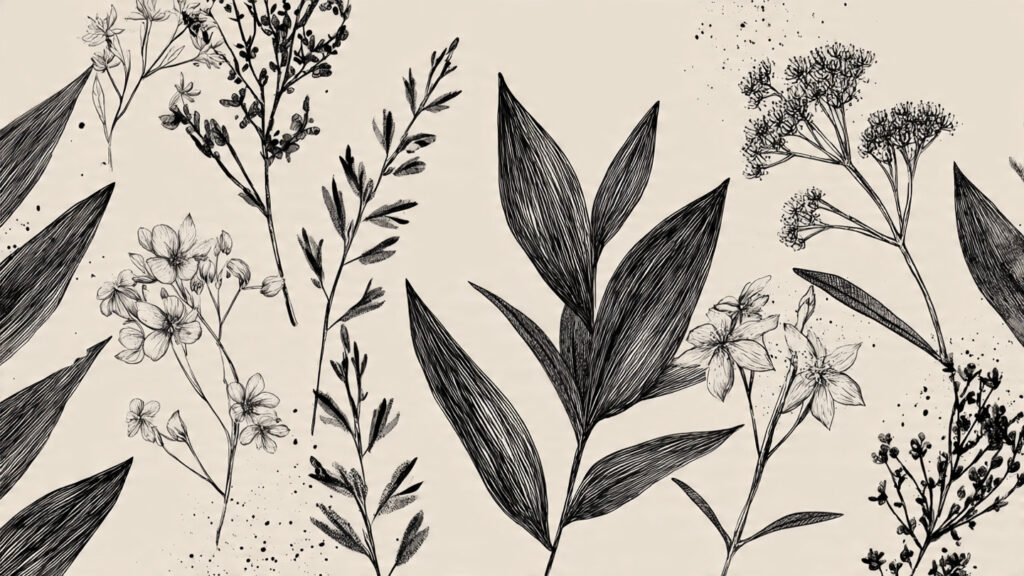
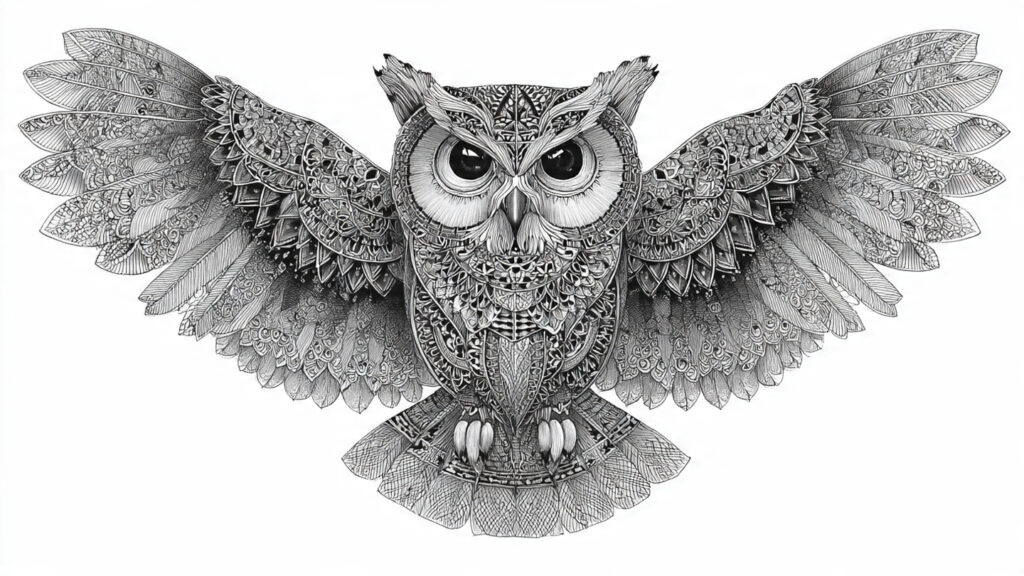
Ink and Line Botanical Art is another distinctive approach that emphasizes structure and form through clean outlines and detailed linework. Instead of relying on color, this style uses fine pens or ink to define shapes, textures, and patterns found in plants. Cross‑hatching and stippling techniques add depth and dimension. Ink botanical art is often minimalist yet highly detailed, making it ideal for sketchbooks, tattoos, prints, and modern design projects.
Colored Pencil Botanical Art Style
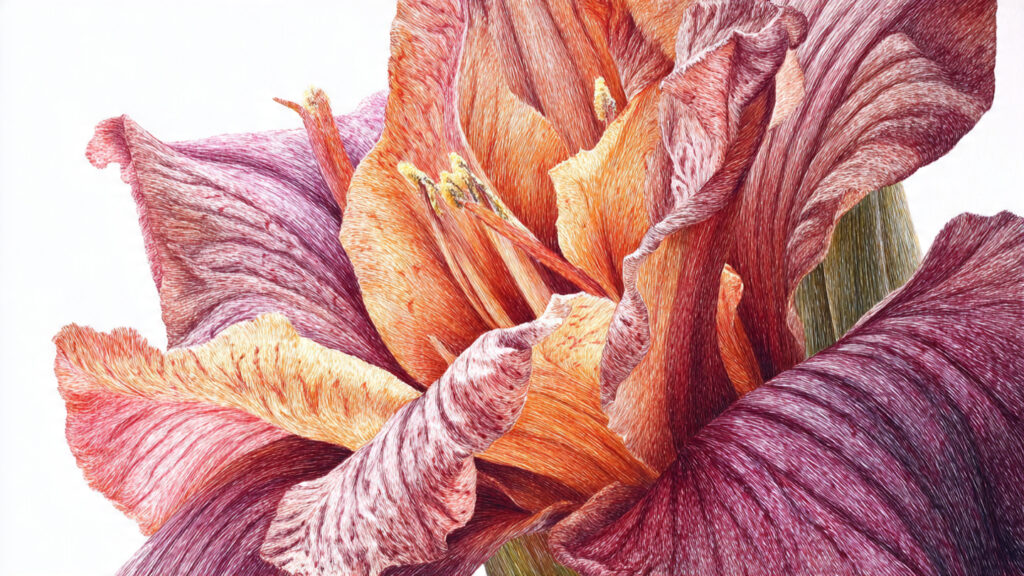
Colored Pencil Botanical Art offers incredible control and precision, allowing artists to build rich textures and realistic shading. This style is particularly effective for illustrating fine details such as leaf veins, pollen, and surface textures. Colored pencils can achieve a hyper‑realistic look when layered patiently. Many artists choose this medium for its portability and ability to create smooth transitions without water. The result is often highly detailed and vibrant botanical artwork.
Contemporary Botanical Art Style
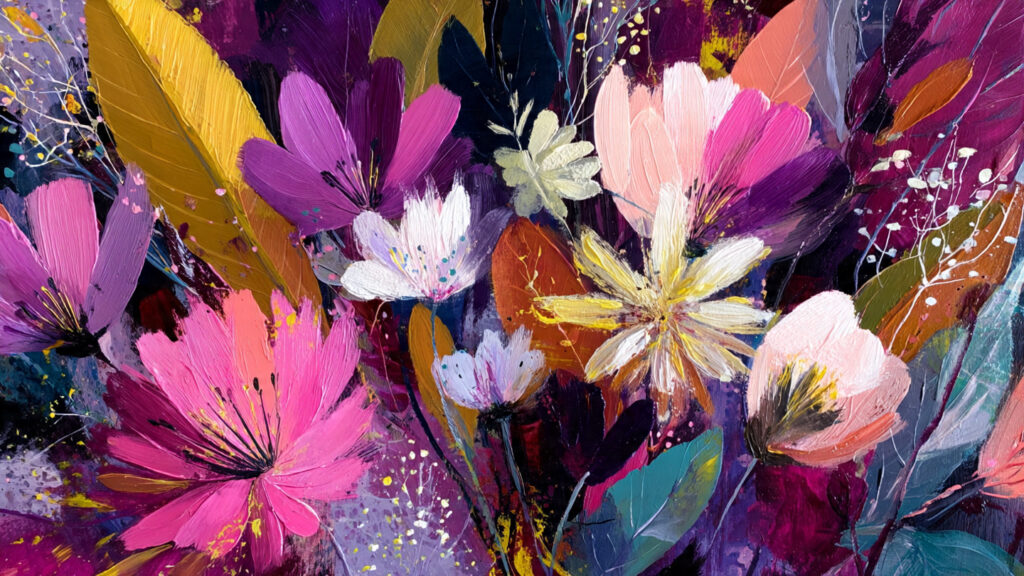
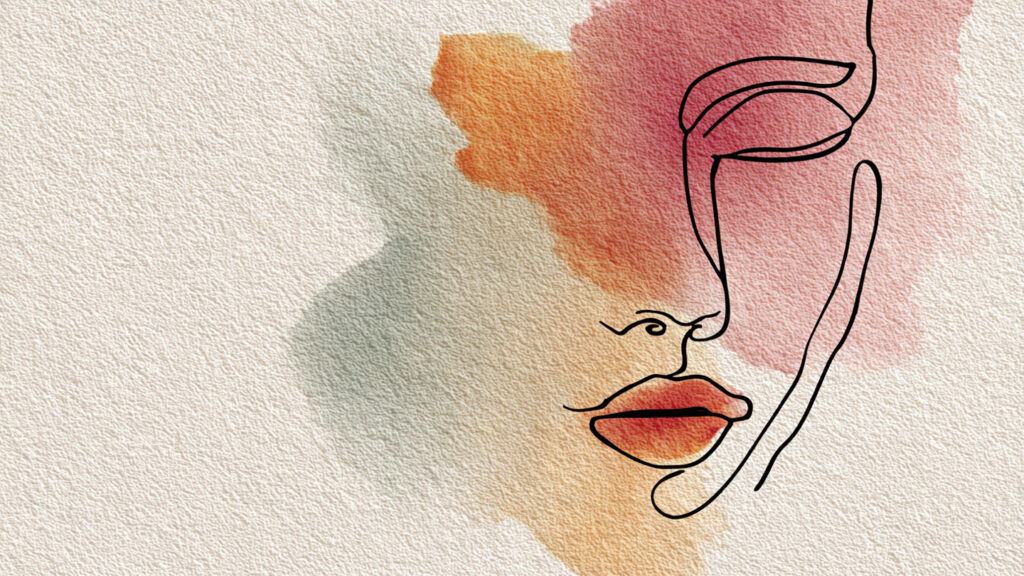
A more expressive approach is Contemporary Botanical Art, which blends traditional plant forms with modern artistic freedom. Artists may exaggerate colors, simplify shapes, or use mixed media to convey emotion rather than strict realism. This style reflects personal interpretation while still being inspired by botanical subjects. Contemporary botanical art is often seen in galleries, modern prints, and digital platforms, appealing to audiences who appreciate both nature and abstract creativity.
Botanical Doodle and Illustration Art Style
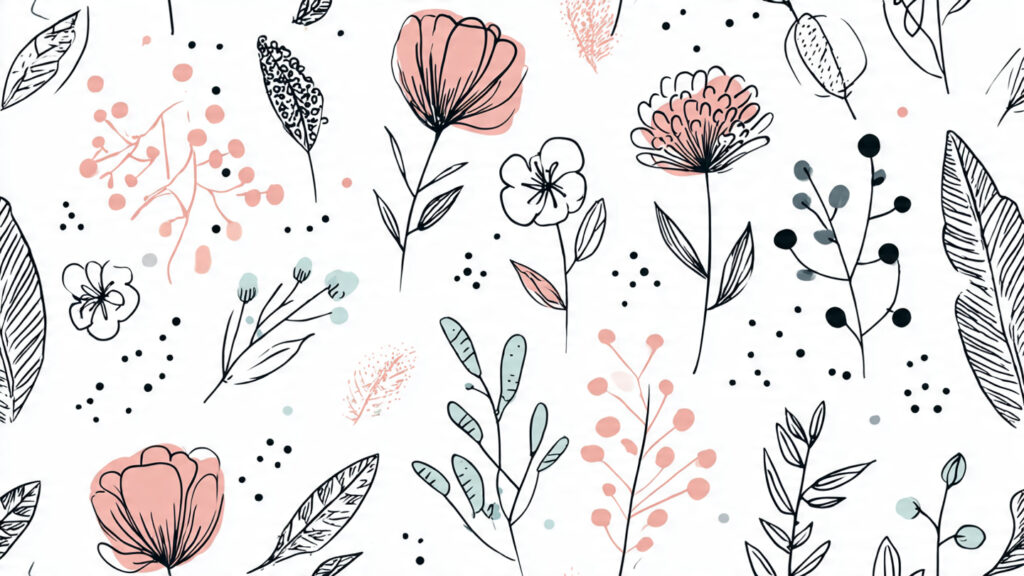
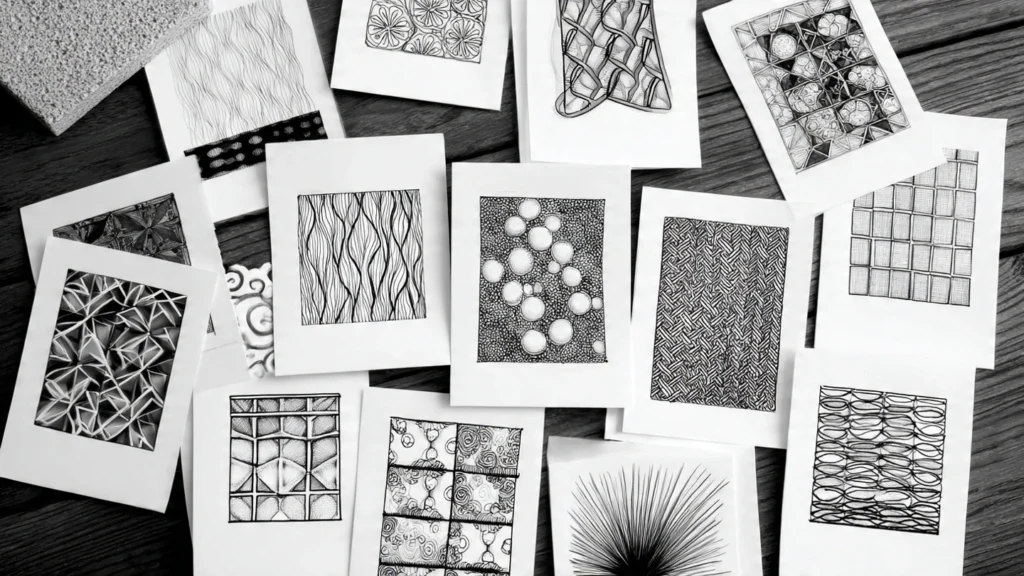
Botanical Doodle and Illustration Style brings a playful and accessible feel to botanical art. Using simple lines, patterns, and decorative elements, this style focuses more on creativity than realism. Artists often combine flowers, leaves, and vines with whimsical designs. This style is popular in journals, planners, social media content, and beginner art projects because it encourages experimentation and relaxation.
Digital Botanical Art Style
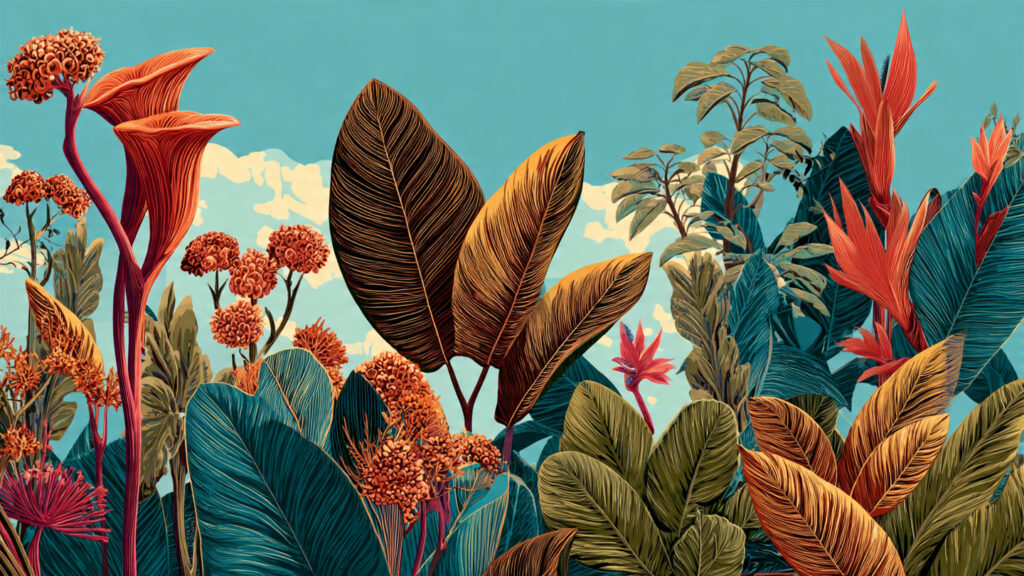
Digital Botanical Art has gained popularity with the rise of digital tools and platforms. Artists use tablets and software to create clean, scalable botanical illustrations with endless color possibilities. Digital art allows easy corrections, layering, and experimentation with styles ranging from realistic to flat illustration. This style is widely used for branding, websites, educational materials, and social media visuals, making botanical art more accessible to a global audience.
Vintage Botanical Art Style

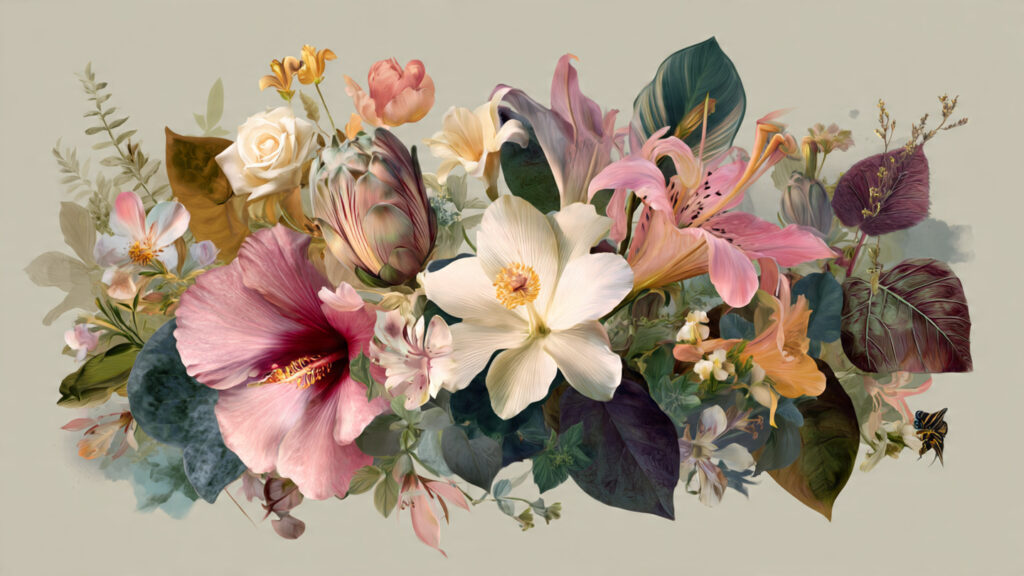
Vintage Botanical Art is inspired by historical plant illustrations from old botanical books and herbals. This style often features muted color palettes, aged paper textures, and classical compositions. Artists intentionally recreate the charm of antique illustrations, giving their work a nostalgic and timeless feel. Vintage botanical art is especially popular for wall art, stationery, and decor projects that aim for an old‑world aesthetic.
Botanical Printmaking Art Style

Botanical Printmaking Art includes techniques such as linocut, woodcut, and etching to create plant-inspired prints. This style emphasizes bold shapes, textures, and contrast rather than fine realism. Printmaking allows artists to produce multiple copies of the same artwork, making it ideal for posters and handmade art collections. The organic textures created through printing techniques give botanical subjects a strong visual impact.
Mixed Media Botanical Art Style
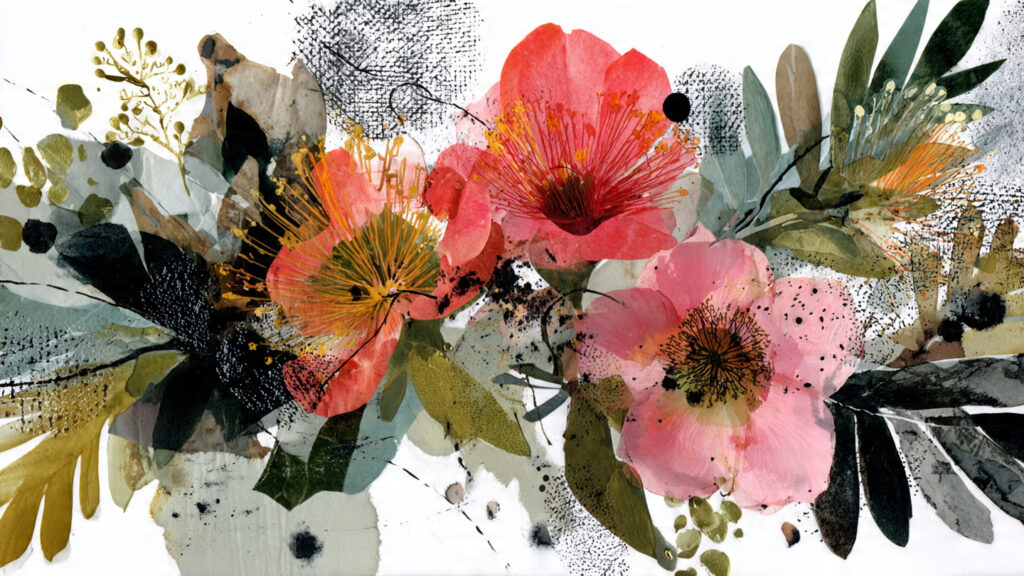
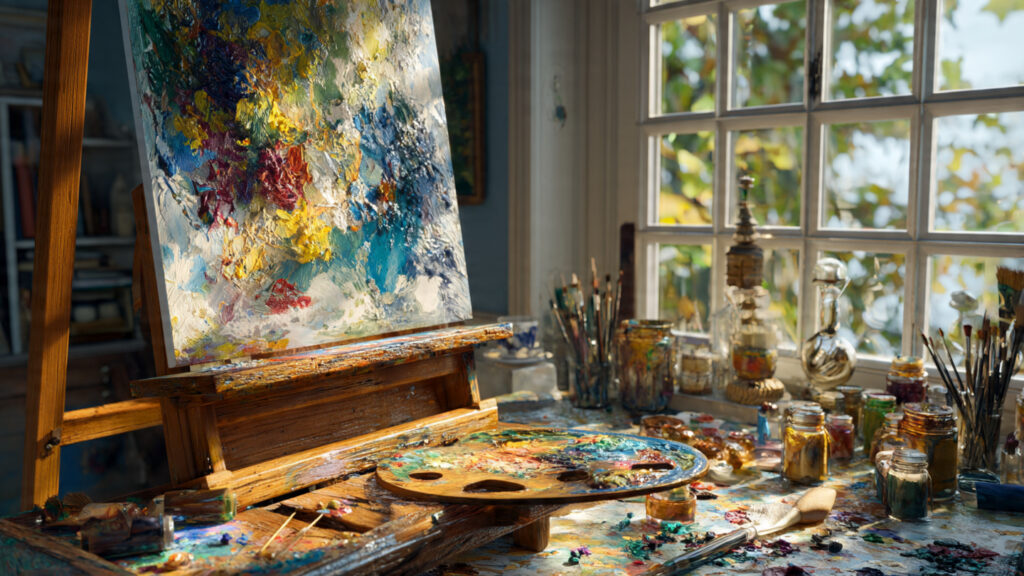
Mixed Media Botanical Art combines multiple materials such as watercolor, ink, collage, acrylics, and even natural elements like pressed leaves. This style encourages experimentation and personal expression while still drawing inspiration from plants and flowers. Mixed media artworks often feel layered and dynamic, making them ideal for contemporary art lovers who enjoy unique, one‑of‑a‑kind pieces.
Minimalist Botanical Art Style
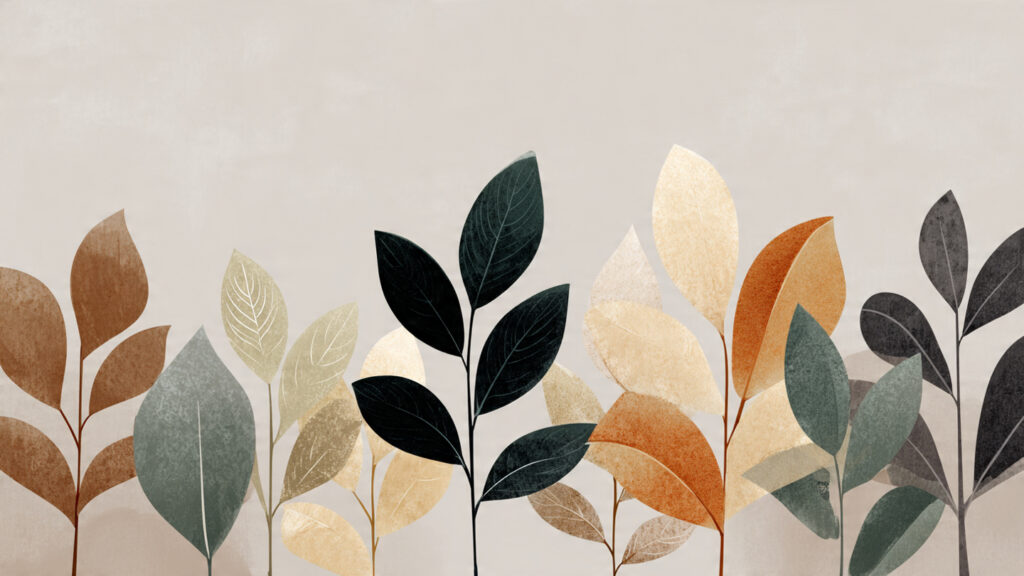
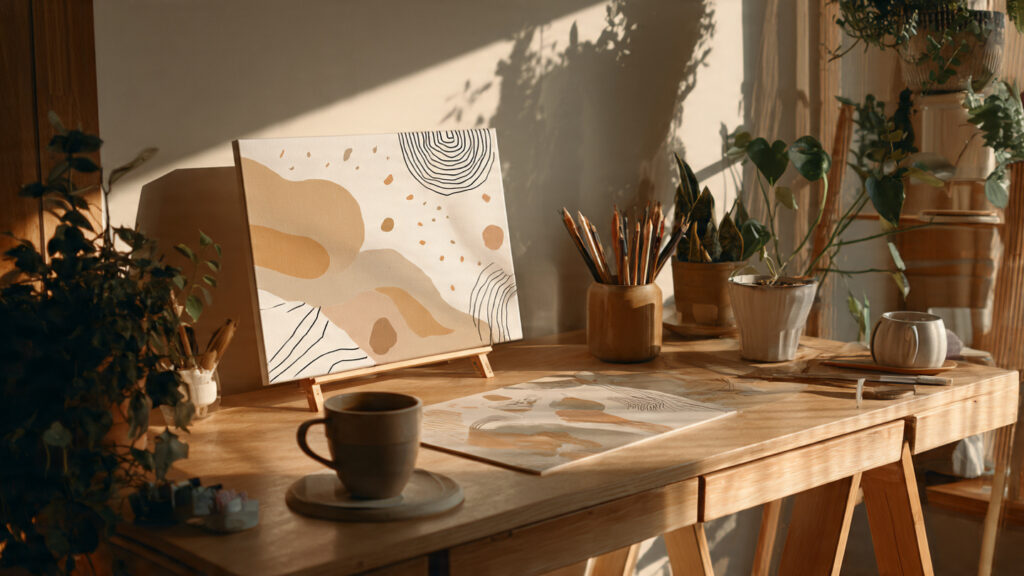
Minimalist Botanical Art focuses on simplicity, using clean lines, limited color palettes, and uncluttered compositions. Instead of detailed realism, this style captures the essence of plants through basic forms and negative space. Minimalist botanical art is widely used in modern interiors, branding, and digital design due to its elegant and calming visual appeal.
Botanical Folk Art Style Explained
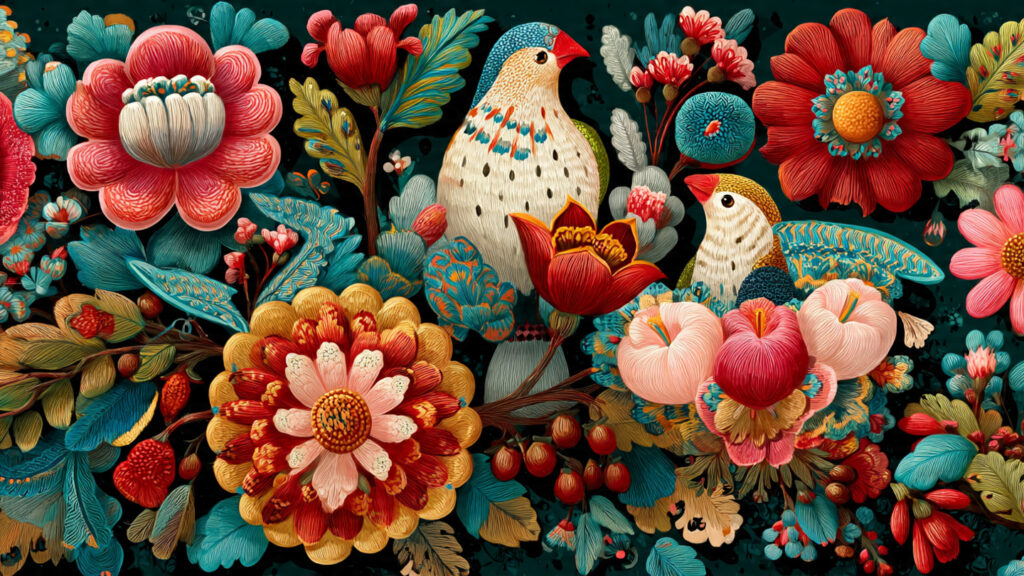
Botanical Folk Art Style reflects cultural traditions and handmade aesthetics. Plants and flowers are often stylized with bold colors, repetitive patterns, and symbolic elements rather than realistic detail. This style celebrates creativity, storytelling, and heritage, making botanical folk art visually vibrant and emotionally expressive.
Conclusion
Botanical art is not only visually appealing but also therapeutic. Many artists find the process calming, as it encourages mindfulness and observation. Drawing or painting plants helps reduce stress and builds patience and focus. For beginners, botanical art offers a gentle entry into drawing and painting because nature provides endless inspiration and variety. In today’s creative world, botanical art continues to thrive across blogs, Pinterest boards, and art communities. Whether created for scientific accuracy, decorative beauty, or personal expression, botanical art remains a powerful way to celebrate nature. By exploring different styles and techniques, artists can discover their unique voice while honoring the timeless beauty of plants.